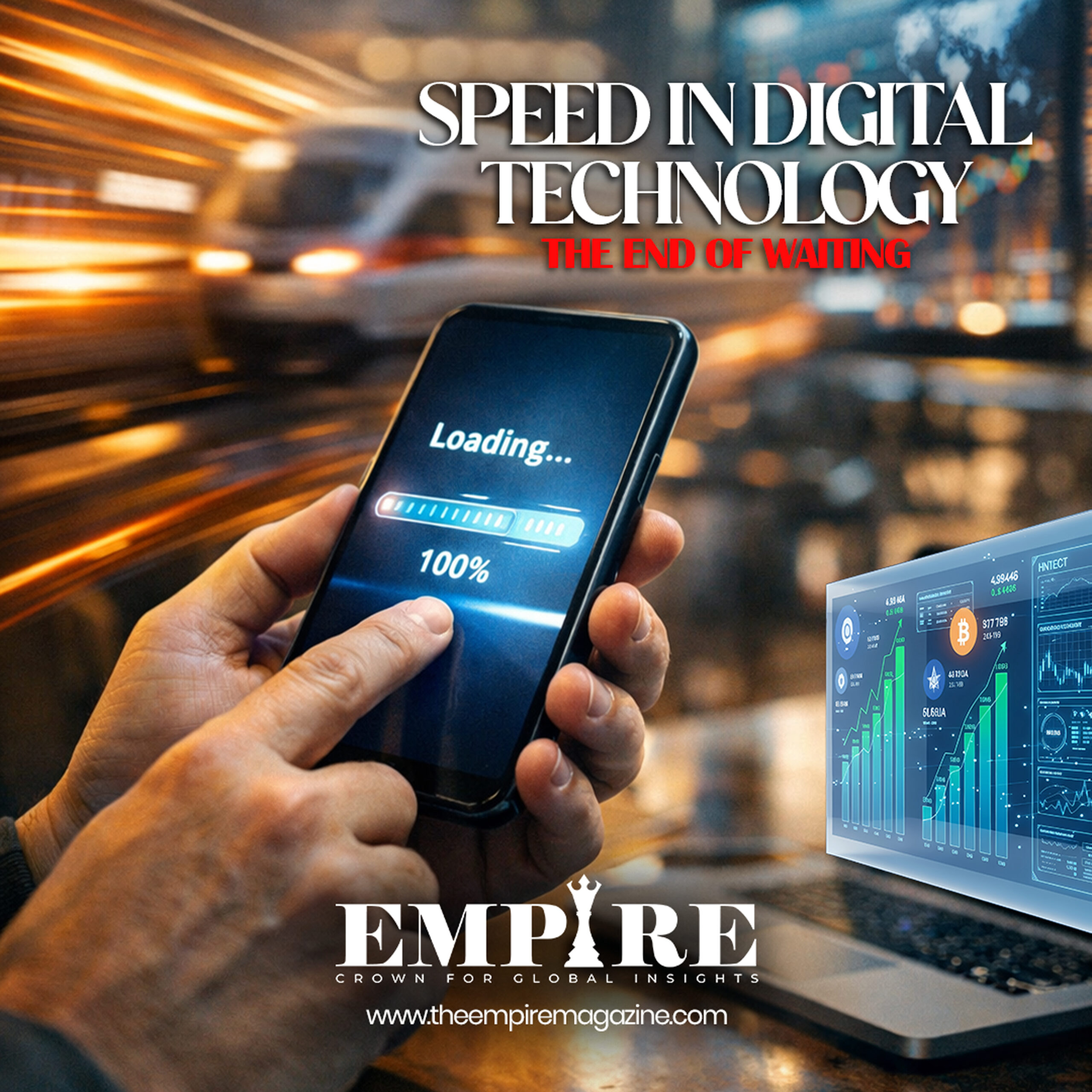
There was a time when waiting was normal. People stood in lines, waited for approvals, waited for service calls, and accepted delays as part of everyday life. In the early digital era, speed was a bonus. If a system worked faster than expected, it felt impressive. Today, that mindset has disappeared. Speed in Digital Technology is no longer an advantage. It is the standard.
In 2025, users expect instant results. Payments happen in seconds. Messages arrive immediately. Orders are tracked in real time. When something slows down, frustration follows quickly. Technology has reshaped not only systems but expectations. The age of waiting is quietly ending.
Time Has Become the Ultimate Currency
Money can return. Opportunities can reappear. Time does not. In a world where people manage work, communication, entertainment, and learning on the same device, every second matters.
Speed in Digital Technology reflects respect for this reality. A slow-loading platform is not just inconvenient. It interrupts focus and reduces trust. A delayed response feels like inefficiency. A long process feels outdated.
Fast systems create confidence. They signal that a company understands modern life. In this environment, time efficiency directly influences brand perception.
Digital Expectations Are Permanent
One of the biggest transformations technology has created is permanent expectation change. Once users experience instant outcomes, they rarely tolerate delays again.
Consider digital banking. Instant transfers have become normal. Now, waiting days for a transaction feels unreasonable. E-commerce platforms deliver same-day shipping. Slow delivery now feels unacceptable.
This shift affects every industry. Healthcare, insurance, education, and government services are now judged against the speed of digital platforms. Even traditional sectors must compete in the speed economy.
Businesses that fail to understand Speed in Digital Technology risk losing relevance.
Speed Is the New Definition of Quality
In the past, quality was linked to thoroughness and durability. Speed sometimes raised suspicion. Today, the perception has reversed.
Fast service suggests intelligent systems and advanced processes. Slow service suggests inefficiency. Consumers equate speed with professionalism.
When solutions arrive instantly and accurately, users feel valued. When they wait, even a correct solution feels incomplete. Speed and precision must now coexist.
This reality forces companies to redesign workflows, automate decisions, and simplify operations.
Removing Process Barriers
Long processes once defined organizational control. Multiple approvals, repeated documentation, and layered verification were standard.
Now, these steps feel unnecessary. Modern systems can store, verify, and process information instantly. Artificial intelligence reduces manual review time. Cloud computing eliminates physical bottlenecks.
Speed in Digital Technology challenges outdated structures. The goal is no longer managing complexity. It is removing friction.
Businesses that streamline experiences gain competitive advantage. Simplicity becomes strength.
Why Waiting Feels Worse Today
People are not more impatient. They are more informed. When they know faster solutions exist, delays feel unjustified.
Streaming platforms eliminated buffering delays. Ride-hailing apps eliminated long taxi searches. Digital wallets removed payment friction. Each advancement reduces tolerance for slower alternatives.
This comparison effect drives industry transformation. A fast digital payment experience raises expectations in other services. A smooth app experience becomes the benchmark for everything else.
Waiting now feels like poor design.
Artificial Intelligence and Real-Time Systems
Artificial intelligence plays a major role in Speed in Digital Technology. AI analyzes patterns, predicts needs, and automates responses instantly.
Customer service chatbots operate 24 hours a day. Predictive maintenance systems prevent disruptions before they occur. Recommendation engines personalize experiences in milliseconds.
Instead of reacting to problems, businesses can anticipate them. This proactive capability reduces downtime and enhances user satisfaction.
For deeper insights into how intelligent systems accelerate growth and performance, explore our related feature:
https://theempiremagazine.com/?p=5294
AI is not replacing human oversight. It is removing delay from decision-making.
Speed as Competitive Advantage
In competitive markets, products often look similar. Prices remain close. What differentiates brands is experience.
Speed influences:
- Customer loyalty
- Operational efficiency
- Cost reduction
- Employee productivity
- Market reputation
Companies that prioritize Speed in Digital Technology gain strategic leverage. Faster internal processes reduce expenses. Faster service delivery improves retention.
In the speed economy, agility defines leadership.
Cultural Impact of Instant Technology
The shift toward speed has cultural implications. People expect transparency and clarity. They want status updates in real time. They expect services to anticipate needs.
This expectation influences design thinking. Interfaces are simplified. Onboarding processes are shortened. Communication becomes direct.
Organizations that adapt culturally, not just technologically, succeed in this environment.
Risks of Ignoring the Speed Economy
Slow systems create hidden costs. They increase support tickets. They reduce employee morale. They weaken customer confidence.
Negative reviews spread rapidly. Competitors offering faster alternatives attract dissatisfied users.
Speed in Digital Technology is not merely operational. It is reputational. Once trust erodes due to inefficiency, recovery becomes difficult.
Businesses must treat speed as infrastructure, not an upgrade.
The Future Without Waiting
As technology continues to evolve, waiting will become rare. Real-time data processing, predictive systems, and decentralized platforms will reduce friction further.
Blockchain transactions complete in seconds. Cloud networks distribute data instantly. Edge computing minimizes latency.
The future will reward organizations that eliminate delay before customers even notice it.
– The Empire Magazine
Crown For Global Insights