Smart Cities and Real Estate in Italy Growth
Smart Cities and Real Estate in Italy
Smart Cities and Real Estate in Italy are becoming closely connected as urban transformation accelerates across the country. From Milan to smaller regional towns, technology is reshaping how cities function and how property markets evolve. What once centered purely on architecture and location now includes connectivity, sustainability, and digital infrastructure as key value drivers.
Italy’s cities are not abandoning their historic identity. Instead, they are blending centuries-old architecture with modern systems designed to improve efficiency, safety, and quality of life. This balance between tradition and innovation is redefining urban living and creating new investment opportunities in the real estate sector.
Understanding Smart Cities in the Italian Context
Smart cities rely on data, digital tools, and interconnected systems to improve urban management. Sensors monitor traffic flow, energy usage, waste systems, and environmental conditions. This real-time information allows city officials to optimize services and reduce inefficiencies.
In Italy, smart city development is unique because it must integrate with historic city centers, protected buildings, and established infrastructure. Rather than building entirely new districts, developers are retrofitting existing structures with smart technologies. This approach preserves cultural heritage while modernizing functionality.
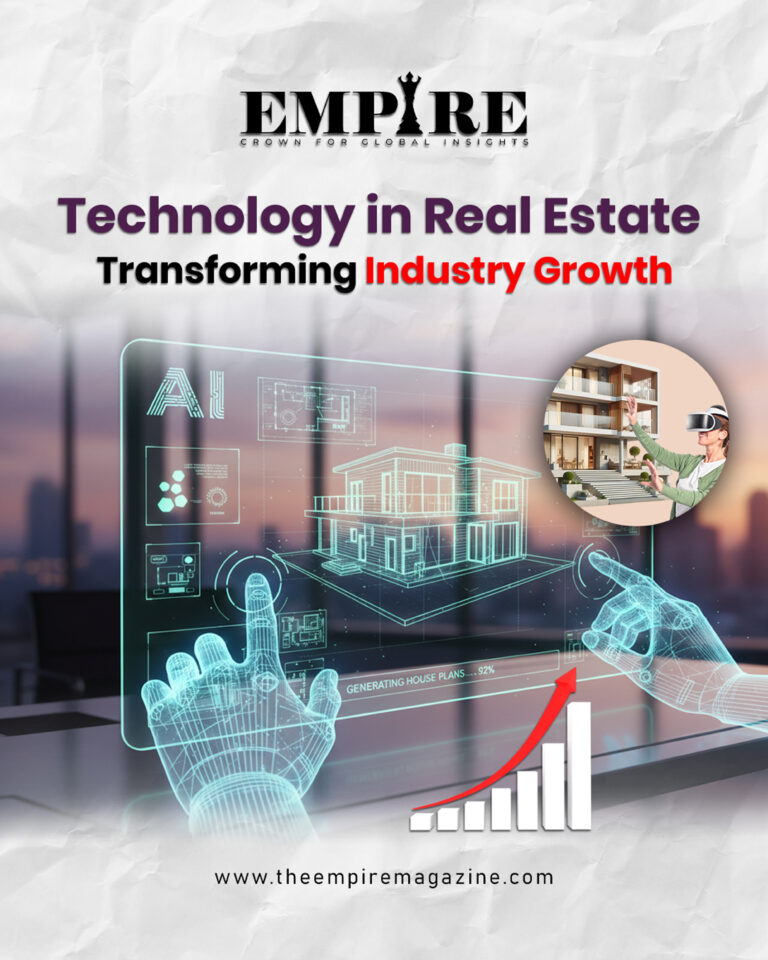
The impact on real estate is significant. Properties equipped with intelligent systems—such as automated lighting, climate control, and energy monitoring—are increasingly attractive to buyers and investors seeking future-ready assets.
Energy Efficiency Driving Property Value
A major pillar of Smart Cities and Real Estate in Italy is sustainability. Rising energy costs and environmental awareness are pushing developers to prioritize energy-efficient construction and renovations.
Smart meters, solar integration, insulated materials, and automated heating systems are becoming common in residential and commercial properties. Energy-efficient buildings reduce long-term operational costs, making them appealing to homeowners and tenants alike.
In competitive markets such as Milan and Bologna, properties that meet high environmental standards often sell faster and command stronger prices. Energy performance is no longer an optional feature—it is becoming a deciding factor in purchasing decisions.
Smart Mobility and Location Advantage
Transportation systems are evolving alongside property markets. Investments in electric buses, expanded rail networks, shared mobility services, and charging infrastructure are transforming urban accessibility.
Smart Cities and Real Estate in Italy demonstrate a direct relationship between mobility improvements and property demand. Homes located near transit hubs, bike-sharing stations, or electric vehicle charging points are increasingly desirable.
Urban planning now emphasizes walkability, reduced congestion, and mixed-use developments. Developers incorporate bike storage areas, pedestrian-friendly access points, and green pathways into new projects. These features enhance livability while supporting long-term property value growth.
For broader insights into evolving urban markets, explore this related perspective:
https://theempiremagazine.com/?p=5206&preview=true
Green Spaces and Modern Urban Design
Smart cities prioritize environmental balance. Across Italy, urban planners are incorporating more parks, rooftop gardens, and green facades into residential projects.
Projects featuring vertical gardens, eco-friendly landscaping, and integrated green zones are attracting global attention. These developments not only enhance aesthetics but also improve air quality and reduce urban heat.
Real estate buyers increasingly value proximity to green areas. Apartments with access to shared gardens or nearby parks often experience stronger rental yields and long-term appreciation. Sustainable design is becoming a core component of property branding in Italy.
Technology Integration in Residential Living
Modern Italian properties are increasingly equipped with digital management systems. Smart homes allow residents to control lighting, security, and temperature remotely. Automated systems enhance convenience while reducing energy waste.
Security technology also plays a significant role. Motion sensors, digital entry systems, and monitored surveillance improve safety without excessive staffing costs. These innovations enhance property appeal, especially among families and international investors.
For property managers, digital monitoring reduces maintenance expenses and streamlines building operations. Smart building management systems detect issues early, improving efficiency and tenant satisfaction.
Digital Platforms Reshaping Property Transactions
The relationship between Smart Cities and Real Estate in Italy extends beyond infrastructure into the buying process itself. Digital platforms now allow prospective buyers to access virtual tours, review energy certifications, and analyze neighborhood connectivity.
Technology provides transparency. Buyers can evaluate internet connectivity, environmental ratings, and proximity to services before making decisions. This digital transformation supports international investment, allowing global buyers to explore Italian properties remotely.
Developers are also leveraging digital marketing tools to highlight smart features as premium selling points.
Revitalizing Smaller Italian Towns
Smart city initiatives are not limited to metropolitan centers. Smaller towns across Italy are receiving funding for high-speed internet, improved lighting systems, and modern waste management solutions.
This infrastructure upgrade is attracting remote workers and digital entrepreneurs seeking quieter lifestyles without sacrificing connectivity. As a result, demand for residential property in certain regional areas is increasing.
Smart Cities and Real Estate in Italy are therefore influencing migration patterns. Buyers are looking beyond traditional city centers toward areas that combine affordability with digital readiness.
Challenges and Long-Term Outlook
Despite strong progress, challenges remain. Italy’s historic preservation laws can limit structural modifications. Upgrading older infrastructure requires significant investment. Additionally, regional disparities in digital access can slow development.
However, government initiatives and private-sector partnerships continue to drive innovation. The future of Smart Cities and Real Estate in Italy lies in achieving balance—maintaining cultural identity while embracing technological progress.
In the coming years, Italian cities are expected to integrate even more advanced systems, from intelligent waste management to AI-driven urban planning. Real estate markets will continue adapting to these changes, rewarding properties that align with sustainability, connectivity, and efficiency.
Urban living in Italy is entering a new phase—one that respects history while building for the future.
– The Empire Magazine
Crown For Global Insights