Startup Industry Trends 2026 Are Redefining Business Growth
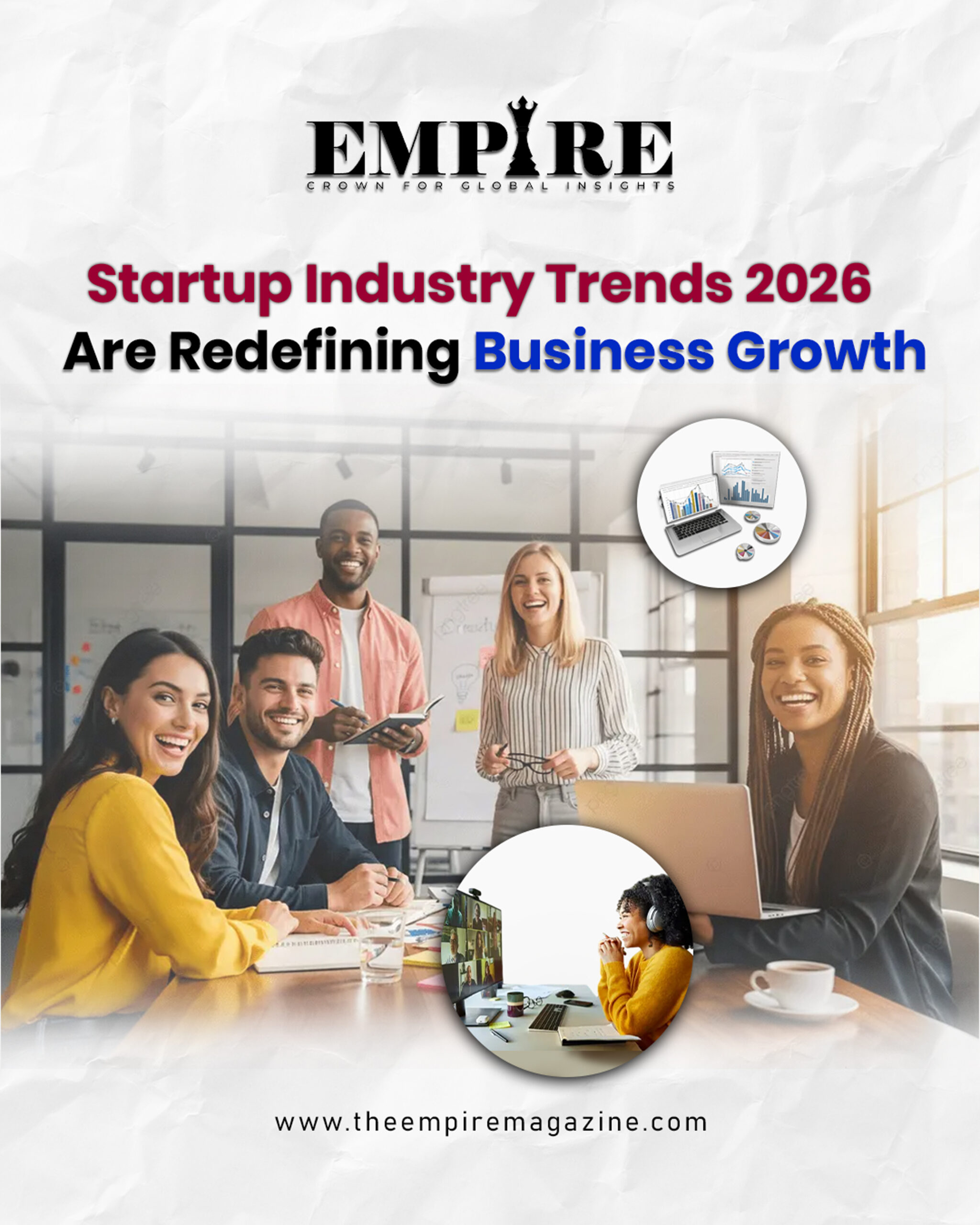
The Startup Industry Trends 2026 are shaping a new phase of global business transformation. Across industries, startups are no longer seen as small experimental ventures. They are becoming the driving force behind innovation, digital disruption, and long-term economic expansion. As technology evolves and customer expectations continue to change, startups are adapting faster than traditional businesses and creating fresh models for growth.
In 2026, the startup ecosystem is being influenced by several major forces. Artificial intelligence is accelerating productivity. Fintech is transforming access to financial services. Sustainability is becoming central to business identity. Hybrid work is redefining how teams operate. Data-driven personalization is changing how companies connect with consumers. Together, these shifts are creating a business environment that rewards agility, purpose, and innovation.
For entrepreneurs, investors, and business leaders, understanding these trends is essential. Startups that align themselves with the direction of the market are more likely to grow, scale, and remain competitive in a fast-changing global economy.
Technology-Led Innovation Is Fueling Startup Momentum
One of the strongest forces behind the Startup Industry Trends 2026 is technology-led innovation. Startups are using advanced technologies not only to improve efficiency but also to build entirely new categories of products and services. Artificial intelligence, machine learning, and automation are at the center of this shift. These technologies allow startups to analyze data faster, improve decision-making, and deliver more intelligent experiences to users.
Artificial intelligence is especially important because it helps startups achieve scale with fewer resources. Predictive tools, generative systems, and smart automation are helping businesses optimize operations, reduce repetitive work, and deliver more tailored solutions. In sectors such as retail, healthcare, logistics, and software, AI is becoming a major differentiator.
Automation is also expanding beyond office workflows. Startups in logistics and manufacturing are increasingly exploring autonomous systems to improve accuracy, speed, and reliability. These tools allow businesses to reduce inefficiencies while improving service quality, making them attractive for modern startups looking to expand quickly.
Fintech And Decentralized Models Are Changing Finance
Another major development within the Startup Industry Trends 2026 is the continued rise of fintech and decentralized finance. Startups in this space are rethinking how financial services are delivered by making them more accessible, transparent, and user-friendly. Traditional financial systems are often slow, complex, and costly. Fintech startups are solving these issues through smarter technology, simplified digital experiences, and better personalization.
Blockchain-based systems and peer-to-peer financial models are also influencing the startup landscape. These solutions reduce the need for intermediaries, lower costs, and create more direct financial interactions. For users, this means better access to payments, lending, savings, and investment tools. For startups, it means a chance to build products that challenge established systems and serve customers in more flexible ways.
The growing personalization of financial products is another key trend. By using customer data more effectively, startups can tailor their financial offerings to match specific user behavior and needs. This level of precision improves customer satisfaction and supports long-term growth.
Sustainability Is Becoming A Core Business Priority
Sustainability has moved from being a secondary concern to a central growth pillar in the Startup Industry Trends 2026. Today’s consumers are increasingly conscious of the environmental and social impact of the brands they support. As a result, startups are integrating sustainability into their products, operations, and long-term strategy.
Climate-focused innovation is growing rapidly. Startups are exploring renewable energy, waste reduction, greener supply chains, and environmentally responsible production systems. These efforts are not only helping address global environmental concerns but are also creating strong market value.
At the same time, purpose-driven business models are gaining importance. Customers increasingly want to support companies that value transparency, ethical sourcing, fair labor practices, and meaningful social impact. Startups that clearly communicate their values and act responsibly are often able to build deeper trust and stronger brand loyalty.
Personalization Is Reshaping Customer Experience
A defining feature of the Startup Industry Trends 2026 is the move toward highly personalized consumer experiences. Modern customers expect businesses to understand their preferences and deliver relevant recommendations, pricing, communication, and services. Startups are meeting this demand by using data-driven tools and predictive systems to create more customized experiences.
This personalization goes beyond marketing. It can influence product development, user journeys, support systems, and pricing strategies. Dynamic experiences help startups stand out in crowded markets and build stronger relationships with customers. When businesses can anticipate needs and offer tailored solutions, they improve satisfaction while also increasing revenue opportunities.
In a digital-first economy, personalization is no longer a luxury. It is becoming a standard expectation, and startups that master it are more likely to win market attention.
Workforce Transformation Is Redefining Startup Operations
The Startup Industry Trends 2026 also reflect a major shift in how teams work and how organizations are structured. Hybrid work models are becoming more common, allowing startups to combine flexibility with collaboration. Remote work, digital tools, and virtual project management platforms are helping companies access talent more efficiently and operate across locations.
This transformation is also encouraging startups to rethink employee well-being, productivity, and culture. Flexible schedules, mental wellness support, and collaborative digital environments are becoming important features of modern startup workplaces. These changes are helping companies attract and retain skilled professionals in an increasingly competitive talent market.
The rise of gig-based talent is another important development. Startups are increasingly working with specialized professionals on flexible terms, allowing them to access expertise without building oversized permanent teams. This improves agility and helps businesses respond quickly to changing needs.
Emerging Markets And On-Demand Models Are Expanding Opportunity
The startup ecosystem is expanding well beyond traditional business hubs. Emerging markets are becoming increasingly important to the Startup Industry Trends 2026, offering fresh opportunities for innovation and growth. Startups in these regions are solving local challenges with tailored solutions and contributing to economic development in meaningful ways.
At the same time, the on-demand economy continues to grow. Consumers want convenience, speed, and instant access to products and services. Startups are responding with models built around fast delivery, real-time payments, quick service, and easy digital access. This demand for immediacy is especially visible in retail, healthcare, and financial services.
Businesses that can combine local relevance with operational speed will have a strong advantage in this evolving environment.
Read more here:
Internal Link: https://theempiremagazine.com/?p=5770
Follow us on social media:
Instagram: https://www.instagram.com/the_empire_magazine/
Facebook: https://www.facebook.com/profile.php?id=61573749076160
– The Empire Magazien
Crown For Global Insights