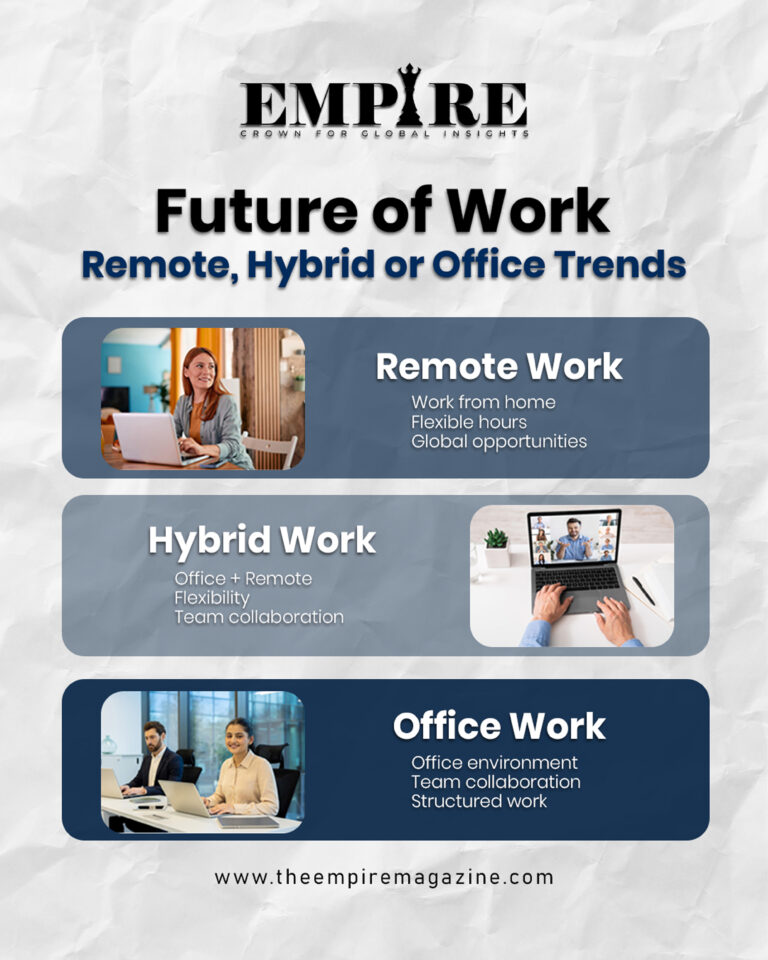
The concept of Future Workforce Insights is rapidly transforming how organizations design, manage, and evolve their workplaces. In today’s digital era, businesses are no longer focused solely on productivity and efficiency. Instead, they are shifting toward a more human-centric approach that prioritizes employee well-being, flexibility, and meaningful engagement.
As technology continues to reshape industries, organizations are facing a critical challenge—how to balance digital transformation with the human needs of their workforce. This shift is not just a trend; it is a fundamental change that is redefining the future of work.
The Rise of a Digital-First Work Environment
The modern workplace has undergone a dramatic transformation with the rise of digital tools, automation, and remote work. Organizations are leveraging technology to streamline operations, enhance communication, and improve productivity.
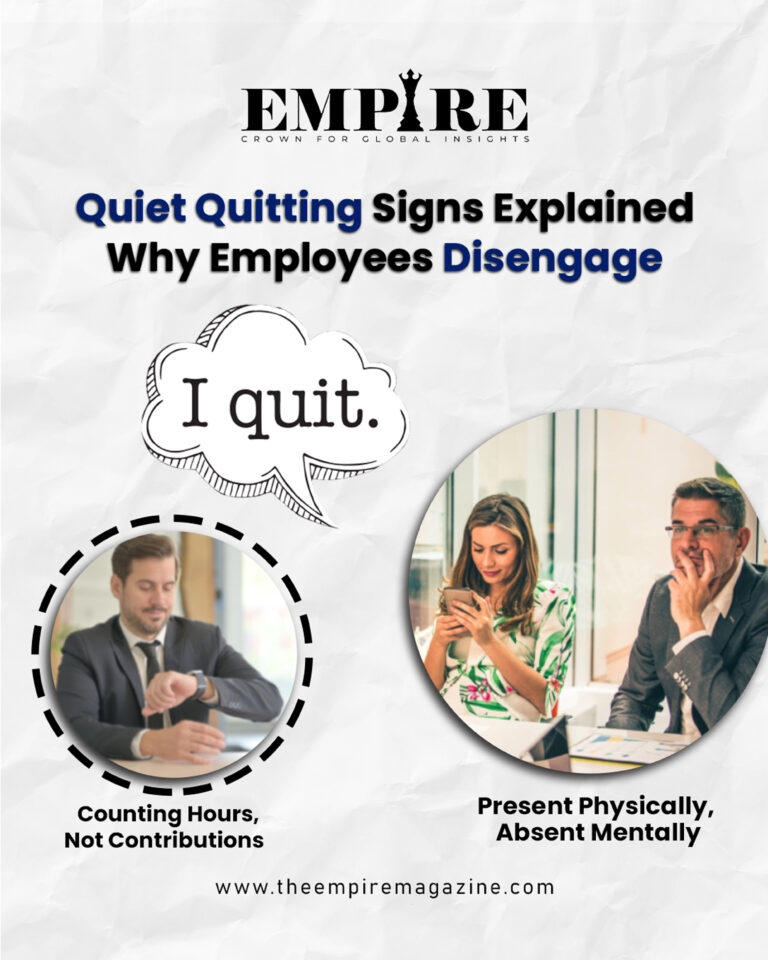
However, this digital-first approach has also introduced new challenges. Employees often experience:
- Digital fatigue due to constant online engagement
- Reduced personal interaction with colleagues
- Difficulty maintaining work-life balance
While technology has made work more efficient, it has also highlighted the need for a more balanced and human-centered approach. Pasted text
Why Human-Centric Workplaces Matter
A key aspect of Future Workforce Insights is the growing importance of human-centric workplaces. These environments focus on the well-being, emotional health, and personal development of employees.
Organizations are beginning to recognize that employees are not just resources—they are individuals with unique needs, aspirations, and values. When employees feel valued and supported, they are more likely to:
- Be engaged in their work
- Contribute innovative ideas
- Remain loyal to the organization
- Perform at higher levels
This shift toward human-centric strategies is essential for building sustainable and successful businesses.
Changing Employee Expectations
Today’s workforce has different expectations compared to previous generations. Employees are no longer motivated solely by salary or job security. Instead, they seek:
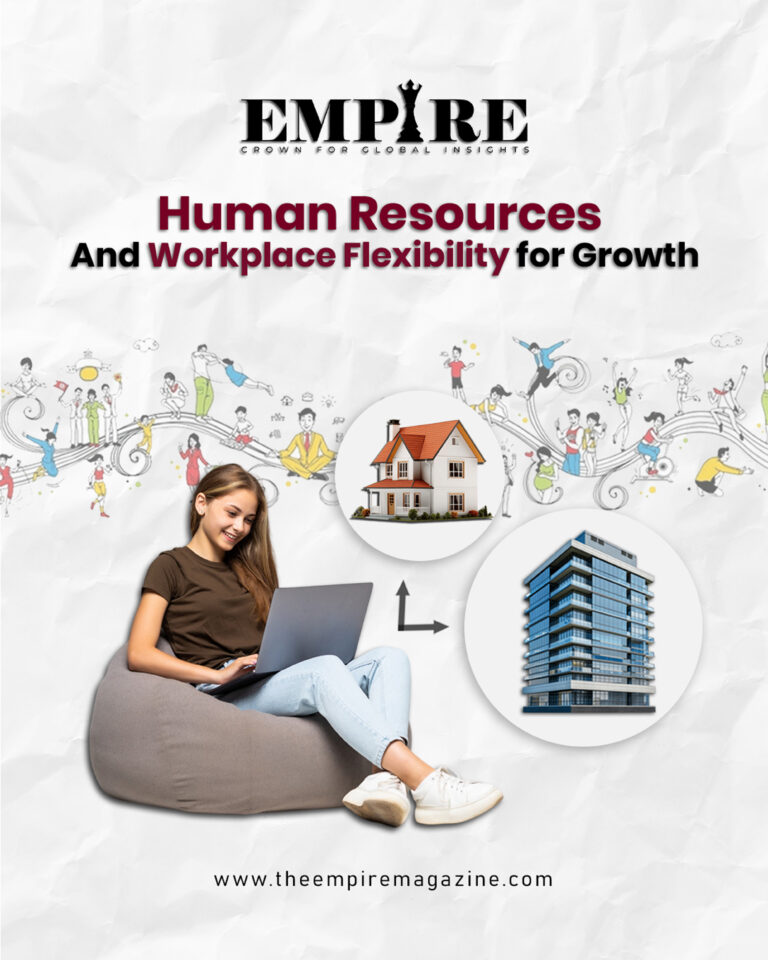
- Flexibility in work arrangements
- Opportunities for personal and professional growth
- A sense of purpose in their roles
- Inclusive and supportive work environments
Organizations that fail to meet these expectations risk losing top talent. On the other hand, companies that adapt to these changes can attract and retain skilled professionals, giving them a competitive edge.
The Role of Workforce Insights in Decision-Making
Future Workforce Insights rely heavily on data to understand employee behavior, engagement, and performance. By analyzing this data, organizations can identify key challenges and opportunities.
Workforce insights help businesses:
- Detect employee burnout and disengagement
- Identify skill gaps and training needs
- Improve team performance and collaboration
- Develop effective human capital strategies
This data-driven approach enables organizations to make informed decisions that enhance both productivity and employee satisfaction.
Impact of Global Changes on Work Culture
Recent global events have accelerated the transformation of the workplace. Organizations were forced to adopt remote work, digital collaboration, and flexible policies almost overnight.
This shift revealed both opportunities and challenges. While remote work increased flexibility, it also emphasized the importance of mental health, communication, and employee support.
The experience has reshaped how organizations view work, encouraging them to prioritize adaptability and resilience.
Building a Humanized Future of Work
To succeed in the evolving landscape, organizations must focus on creating workplaces that balance technology with human values. Key strategies include:
1. Prioritizing Employee Well-Being
Providing wellness programs, mental health support, and flexible work policies can improve employee satisfaction and productivity.
2. Encouraging Continuous Learning
As technology evolves, employees need opportunities to upskill and reskill. Continuous learning ensures they remain relevant in a changing job market.
3. Fostering a Sense of Belonging
Creating a supportive and inclusive culture helps employees feel connected and valued, which enhances engagement.
4. Leveraging Data for Insights
Using workforce analytics allows organizations to address challenges proactively and improve overall performance.
5. Promoting Inclusive Leadership
Leaders play a crucial role in shaping workplace culture. Inclusive leadership ensures equal opportunities and fosters trust within teams.
The Importance of Trust and Transparency
Trust is a fundamental element of a successful workplace. Employees need to feel confident that their organization supports their growth and well-being.
Transparency in communication and decision-making helps build this trust. When employees feel heard and valued, they are more likely to contribute positively to the organization.
Future Trends in Workforce Transformation
Looking ahead, the future of workforce insights will focus on:
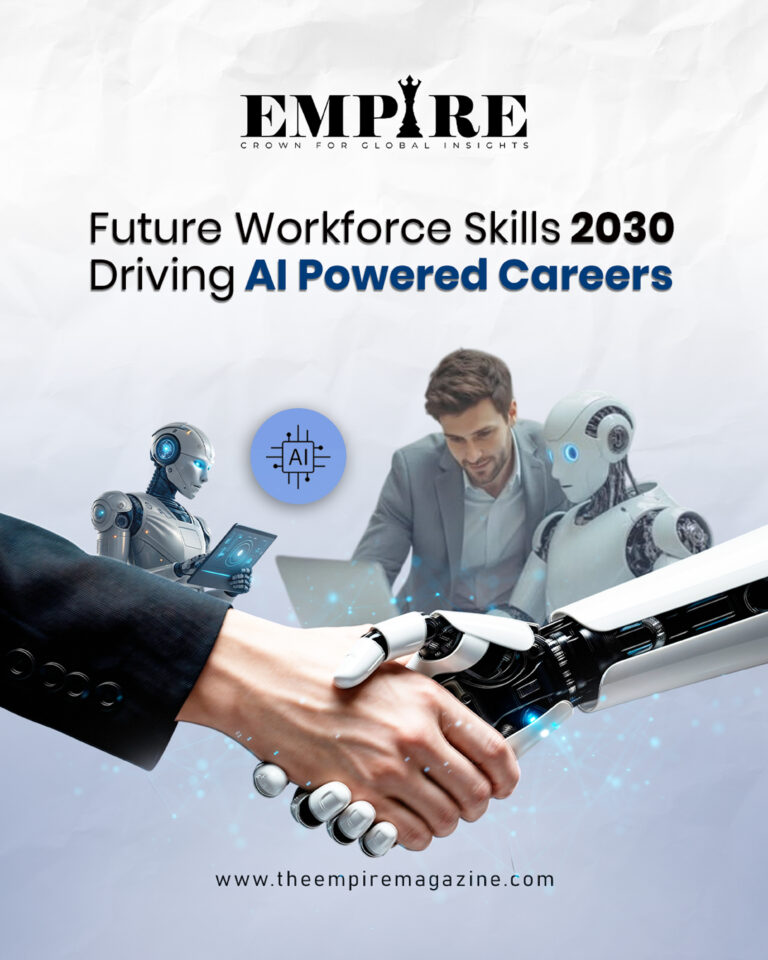
- Greater integration of AI and automation
- Increased emphasis on employee experience
- Expansion of remote and hybrid work models
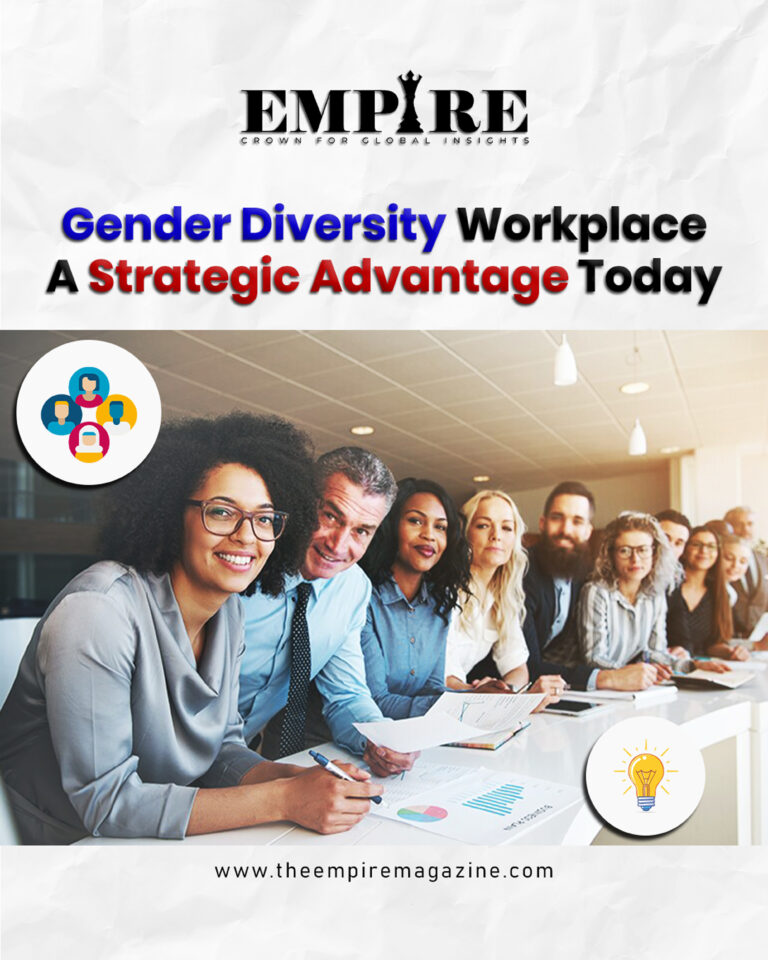
- Stronger focus on diversity and inclusion
Organizations that embrace these trends will be better positioned to navigate the complexities of the modern work environment.
For more insights, read here:
👉 https://theempiremagazine.com/?p=5768
Stay connected with us:
📸 Instagram: https://www.instagram.com/the_empire_magazine/
📘 Facebook: https://www.facebook.com/profile.php?id=61573749076160
– The Empire Magazine
Crown For Global Insights