Leadership evolution strategies are becoming the cornerstone of success in today’s fast-changing business environment. As industries transform due to technology, globalization, and shifting workforce expectations, leadership is no longer just about authority—it is about influence, adaptability, and the ability to inspire meaningful change.
In modern organizations, leadership evolution strategies focus on collaboration, innovation, and people-first approaches. Leaders who understand these shifts are better equipped to build resilient teams, foster creativity, and drive sustainable growth.
Understanding Leadership in the Modern Era
Leadership is the ability to guide, influence, and inspire individuals or teams toward achieving a shared goal. It goes beyond titles and positions, emphasizing the impact a person has on others. In today’s world, leadership is not limited to executives—individuals at every level can demonstrate leadership qualities.
Effective leadership plays a crucial role in shaping organizational culture, improving employee satisfaction, and driving long-term success. Leaders who communicate clearly, make informed decisions, and foster collaboration can unlock the full potential of their teams .
The Shift in Leadership Evolution Strategies
Traditional leadership models often relied on authority and control. However, leadership evolution strategies today emphasize inclusivity, empowerment, and adaptability. Organizations are moving away from rigid structures toward more flexible and collaborative approaches.
Modern leaders are expected to:
- Encourage open communication
- Embrace diversity and inclusion
- Support employee growth and development
- Foster innovation and creativity
This shift reflects the growing need for leaders who can navigate complexity and inspire teams in uncertain environments.
Key Leadership Skills for Success
Leadership evolution strategies highlight the importance of developing core skills that enable leaders to thrive in dynamic conditions.
1. Communication and Transparency
Clear communication is essential for aligning teams and building trust. Leaders must articulate their vision effectively while also listening to feedback from team members.
2. Emotional Intelligence
Understanding and managing emotions is critical in building strong relationships. Leaders with emotional intelligence create supportive environments where employees feel valued and motivated.
3. Decision-Making Ability
Modern leaders must analyze data, evaluate risks, and make informed decisions quickly. Strong decision-making skills help organizations respond effectively to challenges.
4. Adaptability
In a rapidly changing world, adaptability is a key leadership trait. Leaders must be open to new ideas, technologies, and strategies to stay competitive.
5. Integrity and Accountability
Trust is the foundation of effective leadership. Leaders who demonstrate honesty and accountability inspire confidence and loyalty among their teams .
Leadership Styles in Today’s Business Landscape
Leadership evolution strategies also involve understanding different leadership styles and applying them based on the situation.
- Transformational Leadership: Inspires teams with a compelling vision and encourages innovation.
- Servant Leadership: Focuses on supporting and empowering team members.
- Participative Leadership: Involves employees in decision-making processes.
- Transactional Leadership: Emphasizes structure, rewards, and performance management.
Each style has its strengths, and effective leaders often combine multiple approaches to achieve the best results.
Building High-Performance Teams
One of the primary goals of leadership evolution strategies is to build high-performing teams. This requires creating an environment where individuals feel motivated, supported, and aligned with organizational goals.
Leaders can achieve this by:
- Setting clear objectives
- Encouraging collaboration
- Recognizing achievements
- Providing opportunities for growth
When employees feel valued and empowered, they are more likely to contribute their best efforts, leading to improved performance and innovation.
The Role of Technology in Leadership
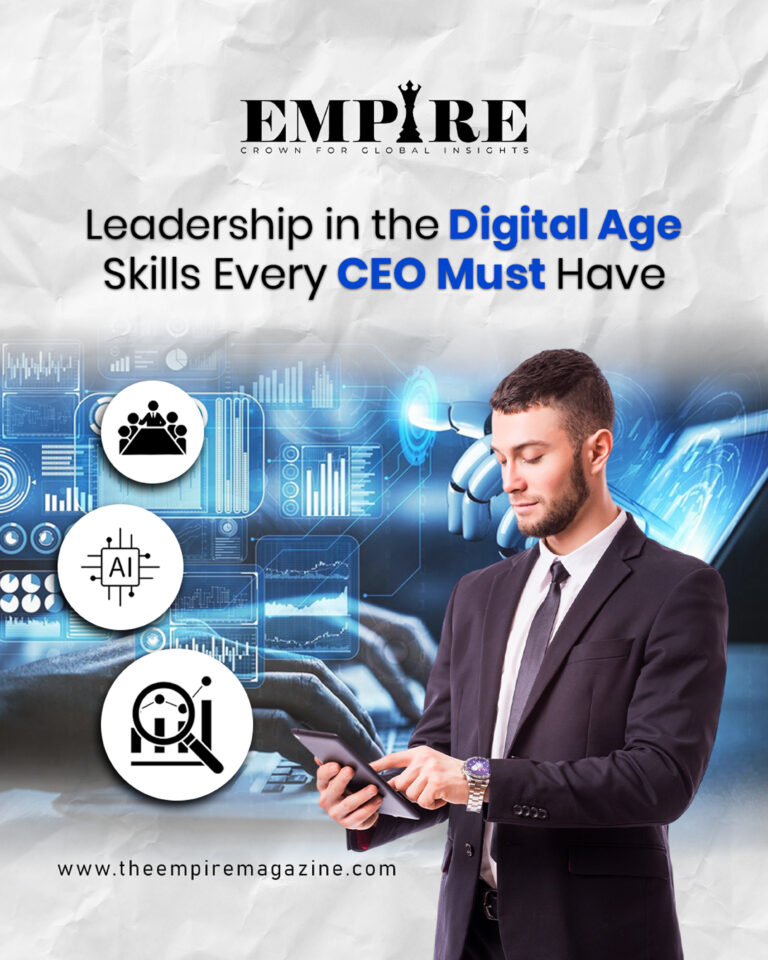
Technology is transforming how leaders interact with their teams. Digital tools enable real-time communication, remote collaboration, and data-driven decision-making.
Leadership evolution strategies now include leveraging technology to:
- Improve productivity
- Enhance communication
- Monitor performance
- Drive innovation
Leaders who embrace technology can create more efficient and agile organizations, capable of adapting to changing market conditions.
Leadership vs Management: Understanding the Difference
While leadership and management are closely related, they serve different purposes. Leadership focuses on vision, inspiration, and influence, while management focuses on execution, organization, and efficiency.
Effective organizations need both strong leaders and capable managers. Leaders set the direction, while managers ensure that tasks are completed efficiently.
Understanding this distinction is a key component of leadership evolution strategies, as it helps organizations balance innovation with operational excellence .
Challenges in Modern Leadership
Despite its importance, leadership in today’s world comes with challenges. Rapid technological advancements, global competition, and changing workforce expectations require leaders to continuously adapt.
Some common challenges include:
- Managing diverse teams
- Navigating uncertainty
- Maintaining employee engagement
- Balancing short-term goals with long-term vision
Leadership evolution strategies address these challenges by promoting continuous learning and development.
The Future of Leadership
The future of leadership will be defined by adaptability, inclusivity, and innovation. Leaders will need to focus on building resilient organizations that can thrive in uncertain environments.
Key trends shaping the future include:
- Increased emphasis on employee well-being
- Greater use of data and analytics
- More collaborative and decentralized decision-making
- Continuous skill development
Organizations that invest in leadership development will be better positioned to succeed in the evolving business landscape.
For more insights into business, leadership, and innovation, visit:
https://theempiremagazine.com/?p=5993
Stay connected with us:
Instagram: https://www.instagram.com/the_empire_magazine/
Facebook: https://www.facebook.com/profile.php?id=61573749076160
– The Empire Magazine
Crown For Global Insights