Healthcare Inequality Debate: Understanding Access vs Availability
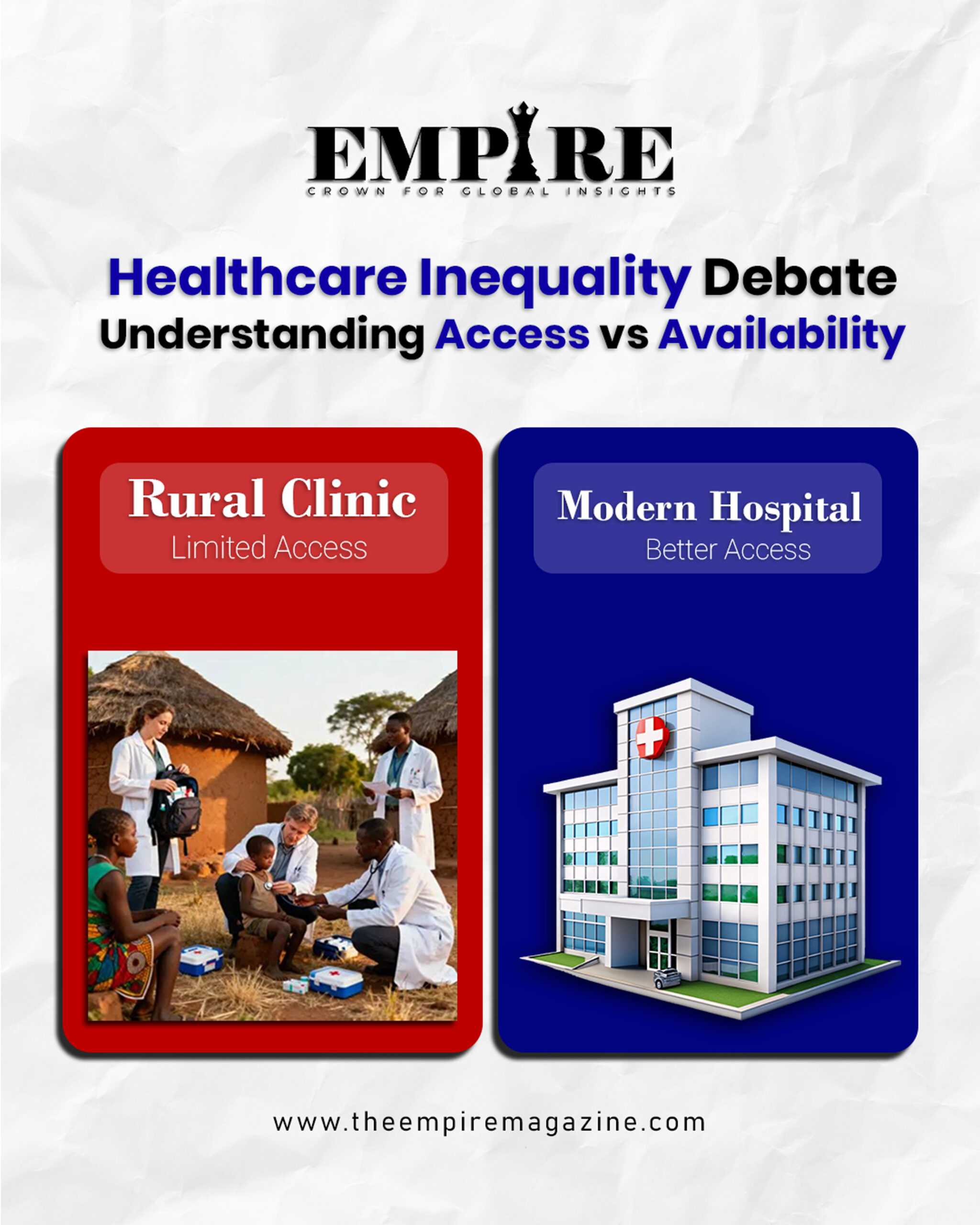
The Healthcare Inequality Debate has become a major global concern, highlighting the growing gap between access to healthcare and its actual availability. While many countries have made progress in building healthcare infrastructure, millions of people still struggle to receive timely, affordable, and quality medical care.
This debate focuses on a critical question: Is healthcare truly accessible, or is it simply available in theory? The difference between these two concepts plays a crucial role in understanding global health disparities.
Healthcare inequality is not just about the presence of hospitals or doctors—it is about whether individuals can actually use these services when needed.
Defining Healthcare Inequality
Healthcare inequality refers to the differences in access, quality, and outcomes of medical care across various populations. These disparities are often influenced by factors such as income, geography, education, race, and social conditions. Pasted text
Even in regions with advanced medical facilities, certain groups may face barriers that prevent them from receiving proper care. These barriers create unequal health outcomes, affecting life expectancy, disease rates, and overall well-being.
Access vs Availability: The Core Issue
The Healthcare Inequality Debate revolves around two key concepts:
1. Availability
Availability refers to the presence of healthcare services—hospitals, clinics, doctors, and medical technology.
2. Access
Access, on the other hand, determines whether people can actually use these services. It depends on affordability, distance, awareness, and social factors.
A country may have advanced healthcare facilities (availability), but if people cannot afford treatment or reach these facilities, access remains limited.
This gap between availability and access is the root cause of healthcare inequality.
Economic Barriers to Healthcare Access
One of the biggest challenges in the Healthcare Inequality Debate is the cost of medical care. High healthcare expenses can prevent individuals from seeking treatment, even when services are available.
In many regions:
- Families bear a large portion of healthcare costs
- Lack of insurance increases financial burden
- Medical expenses push millions into poverty
For low-income populations, healthcare becomes a luxury rather than a basic necessity. Pasted text (2)
Geographic Disparities in Healthcare
Location plays a significant role in determining healthcare access. Urban areas often have better infrastructure, more hospitals, and a higher concentration of healthcare professionals.
In contrast, rural and remote areas face:
- Shortage of doctors and specialists
- Limited healthcare facilities
- Poor transportation infrastructure
- Delayed medical services
For example, rural healthcare centers often serve far more people than their capacity allows, reducing the quality and timeliness of care. Pasted text (2)
Social and Demographic Inequalities
Healthcare inequality is also influenced by social and demographic factors. Certain groups face greater challenges in accessing healthcare services.
These include:
- Marginalized communities
- Women in low-income households
- Ethnic and racial minorities
- Elderly populations
These groups often experience higher disease rates and lower access to preventive care. Differences in treatment quality and outcomes further widen the gap.
Studies show that disparities in healthcare are not only due to access issues but also influenced by systemic biases and discrimination. Pasted text
Impact on Health Outcomes
The consequences of healthcare inequality are significant and far-reaching. Unequal access leads to:
- Higher mortality rates in vulnerable populations
- Increased prevalence of chronic diseases
- Delayed diagnosis and treatment
- Lower life expectancy
For example, certain communities experience significantly higher rates of diseases such as diabetes, heart conditions, and cancer due to limited access to preventive care and early treatment.
These disparities highlight the urgent need to address both access and availability.
Role of Healthcare Systems and Policies
Government policies and healthcare systems play a crucial role in addressing inequality. Effective policies can improve access, reduce costs, and ensure equitable distribution of resources.
Key areas of focus include:
- Expanding health insurance coverage
- Strengthening primary healthcare systems
- Increasing funding for rural healthcare
- Ensuring fair distribution of medical resources
Countries with strong primary healthcare systems tend to achieve better health outcomes and reduced disparities.
Technology as a Solution
Technology is emerging as a powerful tool to bridge the gap between access and availability. Innovations such as telemedicine, digital health platforms, and AI-driven diagnostics are transforming healthcare delivery.
Benefits of technology include:
- Remote consultations for underserved areas
- Faster diagnosis and treatment
- Improved patient monitoring
- Reduced healthcare costs
These advancements have the potential to make healthcare more accessible, especially in remote and underserved regions.
The Need for a Holistic Approach
Addressing healthcare inequality requires a comprehensive and multi-dimensional approach. Solutions must go beyond infrastructure and focus on accessibility, affordability, and awareness.
Key strategies include:
- Investing in healthcare infrastructure
- Reducing out-of-pocket expenses
- Promoting health education and awareness
- Ensuring equitable distribution of resources
- Encouraging public-private partnerships
A holistic approach ensures that healthcare systems are inclusive and capable of meeting the needs of all populations.
For more insights, read here:
👉 https://theempiremagazine.com/?p=5787
Stay connected with us:
📸 Instagram: https://www.instagram.com/the_empire_magazine/
📘 Facebook: https://www.facebook.com/profile.php?id=61573749076160
The Empire Magazien
Crown For Global Insights