How Global Markets Are Balancing AI Optimism Against Fresh Oil Risks
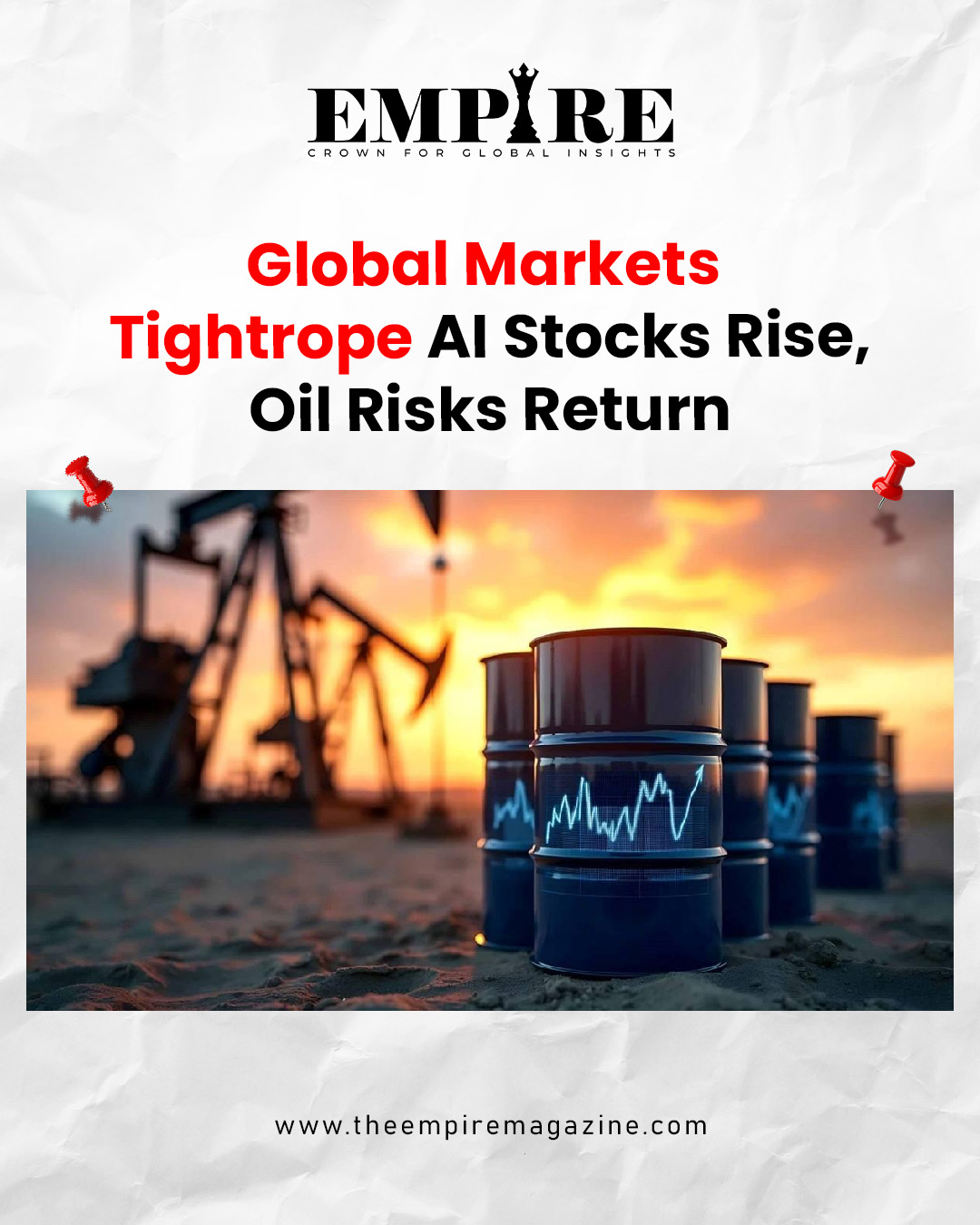
The first half of 2026 proved that global markets can withstand extraordinary shocks. From war in the Middle East and volatile oil prices to shifting interest-rate expectations, investors have navigated one of the most unpredictable periods in recent years. Yet as the second half begins, a familiar dilemma has emerged: artificial intelligence continues to fuel optimism on Wall Street, while renewed uncertainty in energy markets reminds investors that geopolitical risks have not disappeared.
Major equity indices have remained resilient despite months of turbulence. Technology stocks, particularly companies linked to AI infrastructure and semiconductor manufacturing, continue to attract investor interest. At the same time, oil markets remain sensitive to developments in the Gulf, where supply disruptions and diplomatic negotiations continue to influence prices.
This contrasting picture has placed investors on a financial tightrope. Confidence in artificial intelligence is driving equities higher, but energy security, inflation and geopolitical uncertainty continue to cast a shadow over the global economic outlook.
AI Stocks Continue to Drive Global Markets in Equity
Artificial intelligence remains the strongest growth story in global markets.
Despite occasional profit-taking, companies involved in AI chips, cloud infrastructure, memory technology and enterprise software continue to attract strong investor interest. Investors believe AI spending by technology giants will remain a major driver of corporate earnings over the coming years.
The Nasdaq has once again outperformed broader markets, supported by expectations that demand for AI computing power will remain robust. Semiconductor companies continue to benefit from rising investments in data centres, while software firms are rapidly integrating generative AI into their products.
However, enthusiasm is becoming increasingly selective. After months of sharp gains, investors are beginning to distinguish between companies generating real AI revenues and those benefiting mainly from market hype. This shift has created higher volatility across semiconductor and technology stocks even as the broader AI narrative remains intact.
Global Markets: Valuation Concerns Cloud the AI Rally
The AI boom has undoubtedly transformed equity markets, but it has also raised important questions about valuations.
Many leading technology companies are trading at historically high multiples, reflecting expectations of sustained earnings growth. Analysts warn that these expectations leave little room for disappointment during the upcoming earnings season.
Several investment banks believe the long-term AI opportunity remains compelling, yet they also caution that markets are entering a phase where execution matters more than announcements. Investors are increasingly looking for measurable revenue growth, profitable AI products and disciplined capital spending rather than ambitious promises alone.
As a result, quarterly earnings over the coming weeks could become the next major test for the AI-driven rally.
Global Markets Tightrope: Oil Risks Return Despite Lower Prices
While AI dominates headlines, energy markets continue to influence investor sentiment.
Oil prices have eased from the highs reached during the Middle East conflict, supported by improving shipping conditions through the Strait of Hormuz and increased production from OPEC+. Brent crude has retreated as traders anticipate better supply conditions and reduced immediate geopolitical risks.
However, lower prices do not necessarily mean lower risk. Analysts warn that global oil inventories remain depleted following months of supply disruptions. Although strategic reserves and alternative export routes helped stabilise markets during the crisis, rebuilding those inventories could take years.
That means any renewed disruption—whether from geopolitical tensions, production outages or shipping delays—could quickly push prices higher again.
Global Markets Tightrope: Central Banks Watch Inflation Carefully
Energy prices remain one of the biggest variables influencing monetary policy.
Lower oil prices have eased some inflation concerns, leading investors to believe central banks may avoid further aggressive interest-rate increases. This expectation has helped support equity markets, particularly growth-oriented technology stocks that are highly sensitive to borrowing costs.
Nevertheless, policymakers remain cautious. If energy prices begin rising again or inflation proves more persistent than expected, central banks could delay interest-rate cuts or maintain tighter monetary policy for longer. Such an outcome would likely increase pressure on richly valued technology shares.
For investors, the connection between oil, inflation and interest rates remains as important as corporate earnings.
Global Markets Tightrope: Investors Are Becoming More Selective
Another noticeable trend is the shift in investor behaviour.
Earlier in the AI rally, almost every technology stock benefited from enthusiasm surrounding artificial intelligence. Today, investors are becoming far more selective, rewarding companies with proven AI strategies while taking profits in businesses whose valuations appear stretched.
This healthier market behaviour suggests the rally is gradually maturing rather than ending.
Companies capable of translating AI investment into sustainable earnings growth are likely to remain market leaders, while weaker businesses may struggle to justify premium valuations.
Why Oil Still Has the Power to Shake Global Markets
Artificial intelligence may be dominating investor conversations, but oil continues to be one of the world’s most influential economic indicators.
The recent easing in crude prices has offered some relief to businesses and consumers, yet analysts believe the market remains vulnerable. Any disruption in production, shipping routes or geopolitical stability could quickly reverse the recent decline in prices.
Unlike technology stocks, which are largely driven by corporate earnings and innovation, oil prices are influenced by a complex mix of diplomacy, supply decisions, weather events and regional conflicts.
That is why investors continue to monitor developments in the Middle East as closely as they watch quarterly earnings from the world’s biggest technology companies.
Asian and European Markets Are Responding Differently
The AI-driven rally has been strongest in the United States, where technology giants continue to invest billions of dollars in chips, cloud infrastructure and data centres.
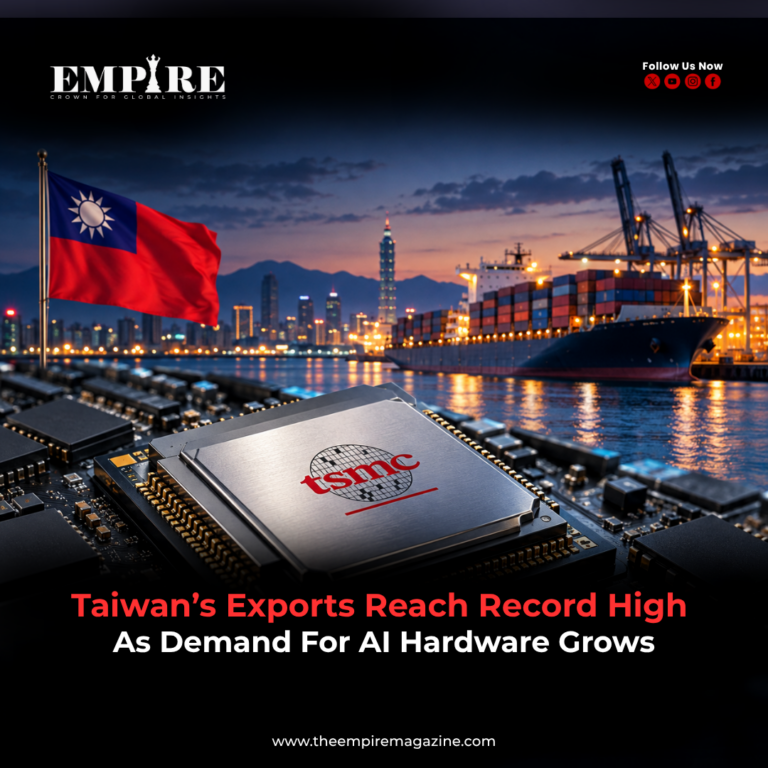
Across Asia, semiconductor-heavy markets such as Taiwan, South Korea and Japan have also benefited from strong demand for AI hardware. Chipmakers and suppliers remain among the biggest beneficiaries of the ongoing technology boom.
European markets, however, present a different picture.
While technology companies have participated in the rally, many European indices remain more sensitive to energy prices, manufacturing activity and central bank policy. Rising oil costs have a greater impact on industries such as chemicals, transportation and heavy manufacturing, making European equities more vulnerable to geopolitical shocks.
This divergence highlights how regional market performance is increasingly shaped by local economic strengths and sector exposure.
Investors Are Focusing on Fundamentals Again
After months of excitement surrounding artificial intelligence, investors are becoming more disciplined.
Rather than buying every company associated with AI, institutional investors are increasingly evaluating businesses based on revenue growth, profitability and long-term execution.
Companies delivering measurable returns from AI investments continue to attract capital, while firms relying solely on ambitious announcements are finding it harder to sustain premium valuations.
This shift suggests that the market is entering a more mature phase, where quality is likely to matter more than hype.
The Biggest Risks for the Rest of 2026
Although market sentiment remains constructive, several uncertainties could influence global equities during the second half of the year.
Among the key risks are:
- Renewed geopolitical tensions affecting oil supplies.
- Unexpected inflation that could delay interest-rate cuts.
- Slower corporate earnings growth.
- Supply chain disruptions in the semiconductor industry.
- Increasing scrutiny of AI spending by large technology companies.
At the same time, continued investment in artificial intelligence, easing inflation and stable energy markets could provide additional support for equities.
The balance between these competing forces will largely determine how markets perform over the coming months.
What This Means for Global Investors
The current investment environment is unlike any seen in recent years.
On one side, artificial intelligence is creating new growth opportunities across industries ranging from cloud computing and healthcare to manufacturing and finance. On the other, geopolitical uncertainty continues to remind investors that external shocks can rapidly change market sentiment.
Rather than choosing between technology and traditional sectors, many investors are focusing on diversified portfolios that balance growth opportunities with defensive assets.
This approach reflects a broader understanding that innovation and geopolitical stability are now equally important drivers of financial markets.
For more business and retail insights, read more on The Empire Magazine
Previous article: Strait of Hormuz Reopen
Magazine Feautures | Podcasts: Empire Global Talks
Follow The Empire Magazine on Facebook | Instagram | LinkedIn
The Empire Magazine | Crown for Global Insights