
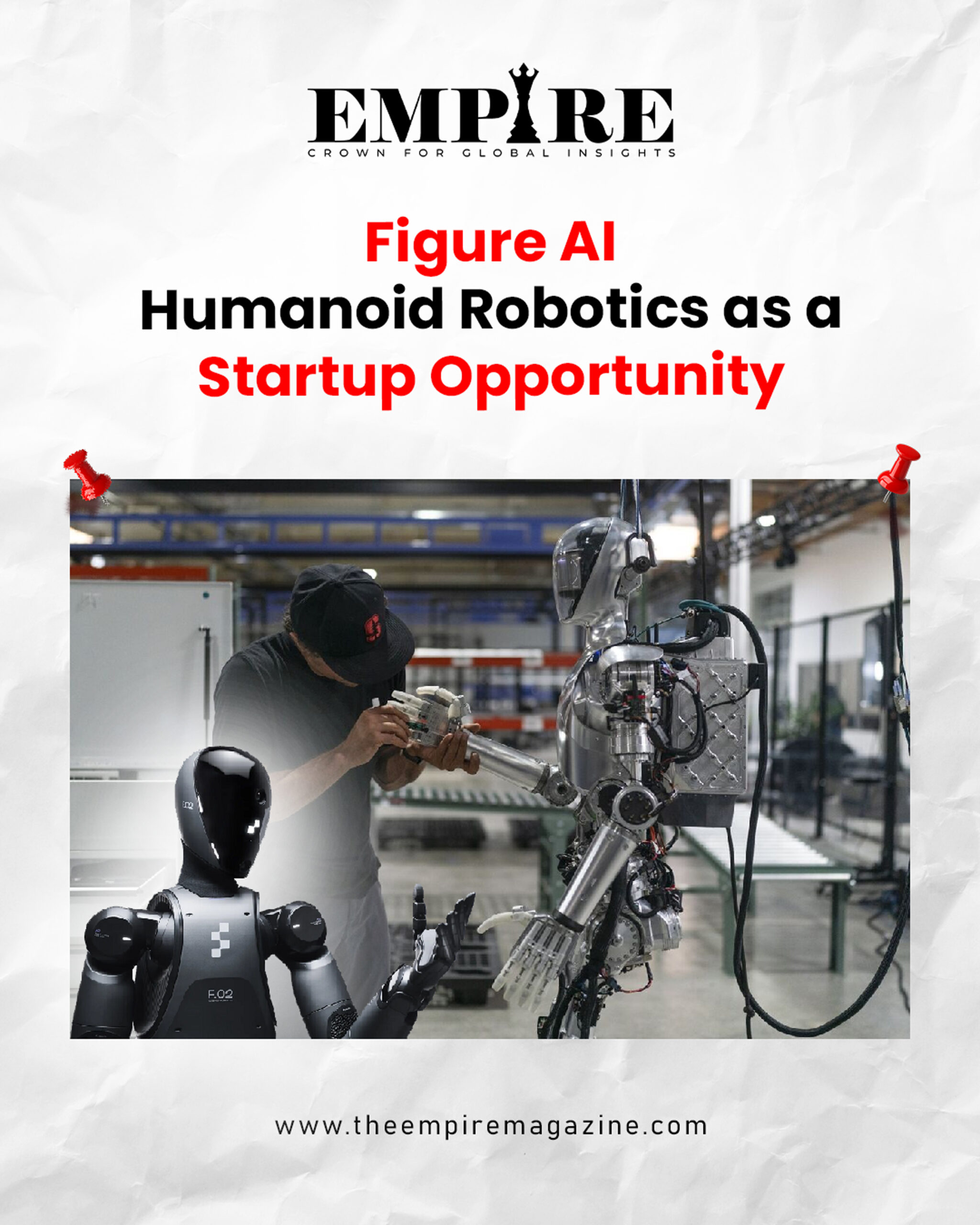
Figure AI is one of the most closely watched startups in the humanoid robotics industry. Founded in 2022 by Brett Adcock, the company is developing general-purpose humanoid robots designed to work in real-world environments. Its mission is linked to one of the largest business problems in the global economy: labor shortages in physically demanding and repetitive work.
The company’s rise shows how humanoid robotics has moved from science fiction into a serious startup opportunity. Artificial intelligence, stronger batteries, better sensors, cheaper computing, advanced motors, and large-scale manufacturing are all making humanoid robots more commercially relevant. Startups are now competing to build robots that can work in factories, warehouses, logistics centers, retail environments, and eventually homes.
Figure AI has attracted major attention because it combines robotics hardware with AI software. The company is not only building a machine that walks on two legs. It is building a system that can understand instructions, process visual information, and perform useful tasks around humans.
What Figure AI Does
Figure AI develops autonomous humanoid robots. Its robots are designed to have a human-like form, with arms, legs, hands, sensors, and AI systems that allow them to operate in environments built for people.
This design matters because most factories, warehouses, stores, and homes are built around the human body. Doors, shelves, tools, machines, workstations, and storage systems are designed for people. A humanoid robot could theoretically use the same spaces without requiring every environment to be rebuilt.
General-Purpose Humanoid Robots
Figure AI describes its robots as general-purpose humanoids. This means the company is not trying to build a robot for only one narrow task. Instead, it is building a platform that can perform many types of physical work.
General-purpose robots are difficult to build because they need mobility, balance, manipulation, perception, reasoning, and safety systems. They must understand their surroundings, move without falling, pick up objects, follow instructions, and work near people.
Founder and Early Growth
Figure AI was founded by Brett Adcock, who previously founded Archer Aviation and Vettery. His background in aviation and technology startups helped Figure AI attract investors and technical talent quickly.
In May 2023, Reuters reported that Figure AI raised $70 million to build humanoid robots, with Parkway Venture Capital leading the round. The company said it planned to use the funding to accelerate development and commercialization. (reuters.com)
Major Investor Backing
In February 2024, Figure AI announced a $675 million Series B funding round at a $2.6 billion valuation. Investors included Microsoft, OpenAI Startup Fund, Nvidia, Jeff Bezos through Bezos Expeditions, Parkway Venture Capital, Intel Capital, Align Ventures, and ARK Invest. The company said the funding would help accelerate humanoid commercial deployment. (prnewswire.com)
In September 2025, Figure AI announced that it exceeded more than $1 billion in committed capital through its Series C round at a $39 billion post-money valuation. The company said the funding would support bringing general-purpose humanoid robots into real-world environments at scale. (figure.ai)
Why Humanoid Robotics Became a Startup Opportunity
Humanoid robotics became a startup opportunity because the world is facing major labor, productivity, and automation challenges. Many industries need workers for repetitive, physical, and difficult tasks. Warehouses, factories, logistics centers, retail operations, and healthcare support environments all face pressure to improve efficiency.
Robots have been used in factories for decades, but traditional industrial robots often work in fixed positions. Humanoid robots are different because they are designed to move through human spaces and use human-like manipulation.
Labor Shortages and Physical Work
Labor shortages are one of the main business reasons behind humanoid robotics investment. Many companies struggle to hire enough workers for repetitive or physically demanding roles. Tasks such as moving boxes, sorting items, loading parts, inspection, and basic assembly can be difficult to staff consistently.
Humanoid robots could help companies manage these gaps if they become safe, reliable, and cost-effective. This is why investors are treating humanoid robotics as a long-term automation market.
Figure AI and BMW Manufacturing
Figure AI’s commercial progress gained attention through its partnership with BMW Manufacturing. In January 2024, Figure announced a commercial agreement with BMW Manufacturing to bring general-purpose robots into automotive production. The agreement included identifying use cases at BMW’s manufacturing facility in Spartanburg, South Carolina. (figure.ai)
Automotive manufacturing is an important test environment because factories already use automation but still require many human-led tasks. A humanoid robot that can work safely in this environment could support material handling, parts movement, inspection, or repetitive operations.
Why Automotive Factories Matter
Automotive plants are structured, high-value environments. They have clear workflows, controlled spaces, safety procedures, and measurable productivity standards. These conditions make them useful for testing humanoid robots before broader deployment.
If humanoid robots can prove useful in factories, the technology may later expand into warehouses, logistics, retail, and service environments.
AI Models for Physical Work
Figure AI’s opportunity is closely connected to advances in artificial intelligence. Humanoid robots need more than mechanical movement. They need AI systems that can understand language, vision, action, and real-world context.
The company has developed its own AI systems for robot control. Figure has also discussed vision-language-action models, which connect what the robot sees, what it is told, and what action it should take.
From Language to Action
The ability to convert language into action is central to humanoid robotics. A person may say, “Pick up the box and place it on the shelf.” The robot must understand the command, identify the object, plan the movement, avoid obstacles, grip the object, and complete the task safely.
This is much harder than a chatbot answering a question. Physical AI must operate in a world where objects move, people walk nearby, surfaces change, and mistakes can cause damage.
Market Growth in Humanoid Robotics
The humanoid robotics market is expected to grow rapidly. Fortune Business Insights estimated the global humanoid robot market at $4.89 billion in 2025 and projected it to grow from $6.24 billion in 2026 to $165.13 billion by 2034, with a compound annual growth rate of 50.60%. (fortunebusinessinsights.com)
This growth outlook explains why startups, automakers, chip companies, AI labs, and industrial firms are entering the market. Humanoid robotics combines hardware, software, AI, manufacturing, and labor economics into one opportunity.
Startups and Global Competition
Figure AI is competing in a market that includes Tesla Optimus, Agility Robotics, Apptronik, 1X, Unitree, Sanctuary AI, Boston Dynamics, and other robotics companies. Each company has a different strategy around hardware design, AI control, deployment markets, and pricing.
Competition is increasing because the potential market is large. If humanoid robots become commercially useful, they could support many industries and create new business models around robot-as-a-service, fleet management, factory automation, and home assistance.
Challenges Facing Figure AI
Figure AI faces major challenges because humanoid robotics is technically difficult. Robots must be safe, reliable, durable, affordable, and useful in real environments. They need strong batteries, precise hands, stable walking, fast perception, and dependable AI control.
Safety and Reliability
Safety is one of the biggest concerns. Humanoid robots operate near people and equipment. They must avoid falls, collisions, incorrect movements, and unsafe force. In workplaces, companies must meet safety standards before deploying robots at scale.
Reliability is equally important. A robot that works only in demonstrations is not enough. Industrial customers need machines that can work for long hours, repeat tasks accurately, and recover from errors.
Why Investors See Long-Term Value
Investors see long-term value in humanoid robotics because successful robots could address large labor markets. If robots can perform useful work across multiple industries, the commercial opportunity could be very large.
The startup opportunity also comes from the combination of AI and physical automation. Generative AI proved that software can learn language and create digital outputs. Humanoid robotics is the next step: applying AI to physical work.
From Digital AI to Physical AI
Figure AI represents the shift from digital AI to physical AI. Digital AI works with text, images, code, and data. Physical AI works with movement, objects, tools, and spaces. This shift is harder, but it could create major business value.
Companies that succeed in physical AI may shape the future of manufacturing, logistics, service work, and personal assistance.
The Business Impact of Figure AI
Figure AI matters because it is helping turn humanoid robotics into a serious startup category. Its funding, investor base, BMW partnership, and focus on general-purpose robots show how the market is moving from research labs into commercial deployment.
For more startup and technology insights, read this feature on The Empire Magazine.
Follow The Empire Magazine on Instagram and Facebook.
– The Empire Magazine
Crown For Global Insights