In today’s competitive retail environment, businesses are constantly searching for ways to improve efficiency, reduce costs, and deliver better customer experiences. One of the most overlooked yet powerful strategies is packaging analytics. While traditionally seen as a simple protective layer for products, packaging has evolved into a strategic tool that can significantly impact profitability and operational performance.
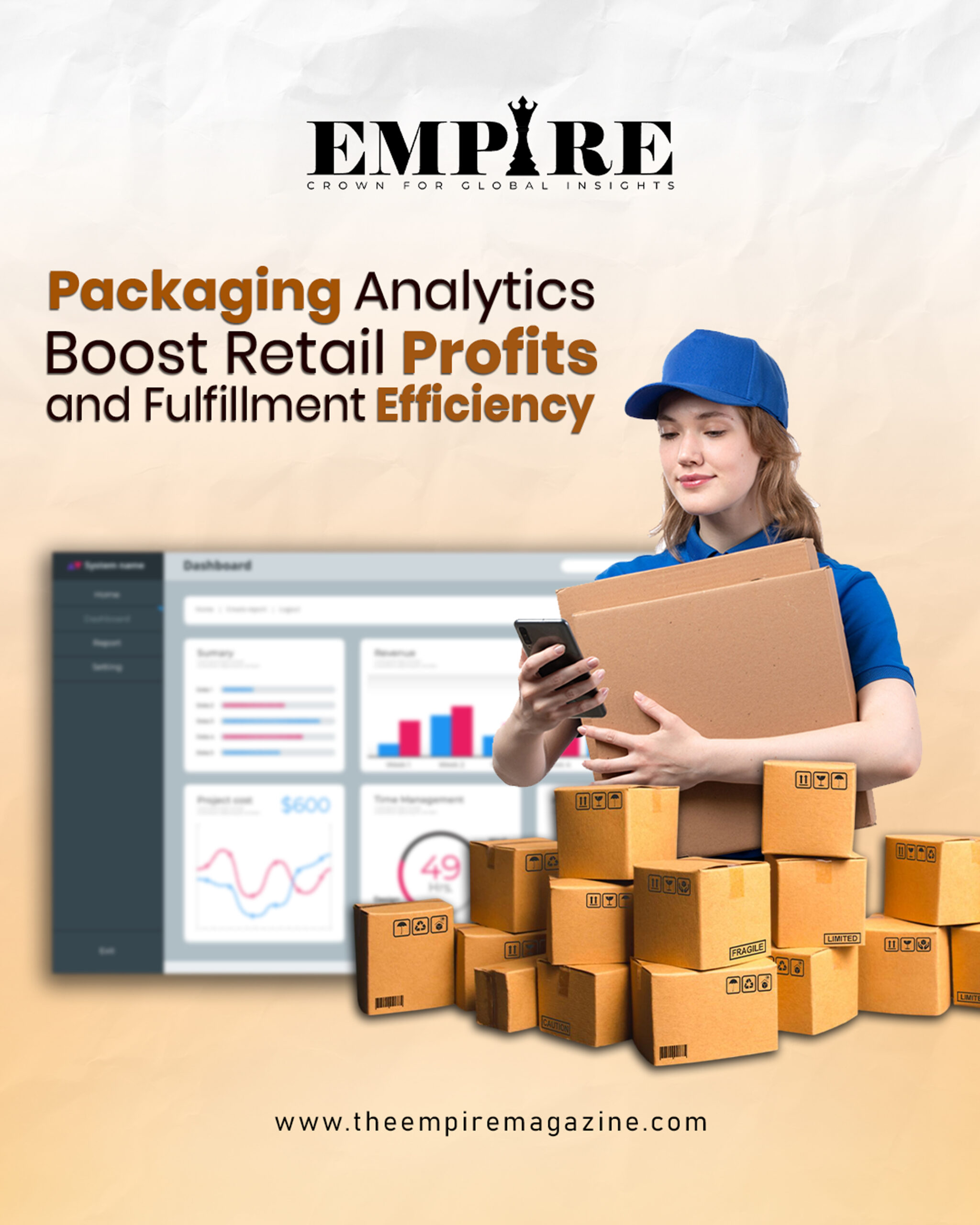
The concept of packaging analytics involves using data-driven insights to determine the most effective packaging methods for different products. By analyzing factors such as product size, fragility, shipping routes, and customer expectations, retailers can make smarter decisions that enhance fulfillment processes and boost margins.
Why Packaging Matters More Than Ever
Retail has become faster, more digital, and more customer-focused than ever before. With rising shipping costs and increasing demand for quick deliveries, every aspect of the supply chain is under pressure. Packaging, once considered a minor detail, is now a key factor in success.
Improper packaging can lead to damaged products, higher return rates, and dissatisfied customers. On the other hand, optimized packaging can reduce waste, lower shipping expenses, and improve delivery speed.
Retailers are beginning to realize that packaging is not just about protection—it is about performance. It directly influences operational efficiency, customer satisfaction, and brand perception.
The Power of Data-Driven Packaging Decisions
The rise of packaging analytics has transformed how retailers approach fulfillment. Advanced tools and software now allow businesses to analyze historical order data and identify the best packaging options for each product.
For example, fragile items like electronics or glass products require padded protection to prevent damage during transit. Meanwhile, smaller and more durable items can be shipped in lighter, cost-effective packaging.
By using data to guide these decisions, retailers can ensure that each product is packaged in the most efficient way possible. This not only protects the product but also reduces unnecessary material usage and shipping costs.
Financial Benefits of Packaging Optimization
One of the biggest advantages of packaging analytics is its impact on profitability. Shipping costs are a major expense for retailers, and even small inefficiencies can add up over time.
Excess packaging increases weight and size, leading to higher shipping fees. Damaged products result in returns, replacements, and additional logistics costs. By optimizing packaging, retailers can minimize these expenses and improve their bottom line.
For instance, using the right packaging for each product category can reduce dimensional weight charges and improve shipping efficiency. Over thousands of orders, these savings can become substantial.
Reducing Returns Through Smarter Packaging
Returns are one of the hidden costs in retail. They not only increase operational expenses but also impact customer trust and satisfaction.
Packaging analytics helps retailers identify which products are more likely to be damaged during transit. With this information, businesses can choose the appropriate packaging to minimize breakage and reduce return rates.
For example, fragile items benefit from additional cushioning, while sturdy products can be shipped with minimal packaging. This targeted approach ensures that products arrive safely while avoiding unnecessary costs.
Over time, reducing returns leads to improved profitability and stronger customer relationships.
Enhancing Customer Experience
Customer experience is a critical factor in modern retail success. Packaging plays a significant role in how customers perceive a brand.
Receiving a product in a well-designed, appropriately sized package creates a positive impression. It signals professionalism, attention to detail, and care for the customer.
Efficient packaging also contributes to faster delivery times. When products are packaged correctly, they move more smoothly through the supply chain, reducing delays and improving overall service.
Satisfied customers are more likely to make repeat purchases and recommend the brand to others, making packaging an important part of long-term growth.
Customizing Packaging for Different Product Categories
Retailers often deal with a wide range of products, each with unique packaging requirements. Packaging analytics enables businesses to create tailored solutions for different categories.
Clothing, for example, may require packaging that prevents wrinkles and maintains presentation. Electronics need protective materials to avoid damage. Small accessories can be shipped in compact packaging to save costs.
By analyzing product characteristics and past performance data, retailers can develop guidelines that ensure consistent and efficient packaging across all categories.
This level of customization improves both operational efficiency and customer satisfaction.
The Role of Technology in Packaging Analytics
Technology is at the heart of modern packaging analytics. Advanced systems use machine learning and artificial intelligence to analyze large amounts of data and generate actionable insights.
These technologies can predict order patterns, identify seasonal trends, and recommend optimal packaging solutions in real time.
As these tools continue to evolve, retailers will be able to make even more precise decisions, further improving efficiency and reducing costs.
Sustainability and the Future of Packaging
Sustainability is becoming a major focus in the retail industry. Consumers are increasingly concerned about environmental impact, and businesses are responding by adopting eco-friendly practices.
Packaging analytics supports sustainability by reducing material waste and promoting the use of recyclable and lightweight packaging options.
By optimizing packaging, retailers can achieve a balance between cost efficiency, product protection, and environmental responsibility.
Transforming Retail Through Smart Packaging
The integration of packaging analytics into retail operations is transforming the industry. What was once a simple logistical function is now a strategic advantage.
Retailers that embrace data-driven packaging solutions can improve fulfillment efficiency, reduce costs, enhance customer experience, and strengthen their competitive position.
This shift highlights the importance of looking beyond traditional strategies and exploring innovative approaches to everyday operations.
For more insights on retail innovation and business strategies, visit:
👉 https://theempiremagazine.com/?p=5928
Stay connected with us:
Instagram: https://www.instagram.com/the_empire_magazine/
Facebook: https://www.facebook.com/profile.php?id=61573749076160
– The Empire Magazine
Crown For Global Insights