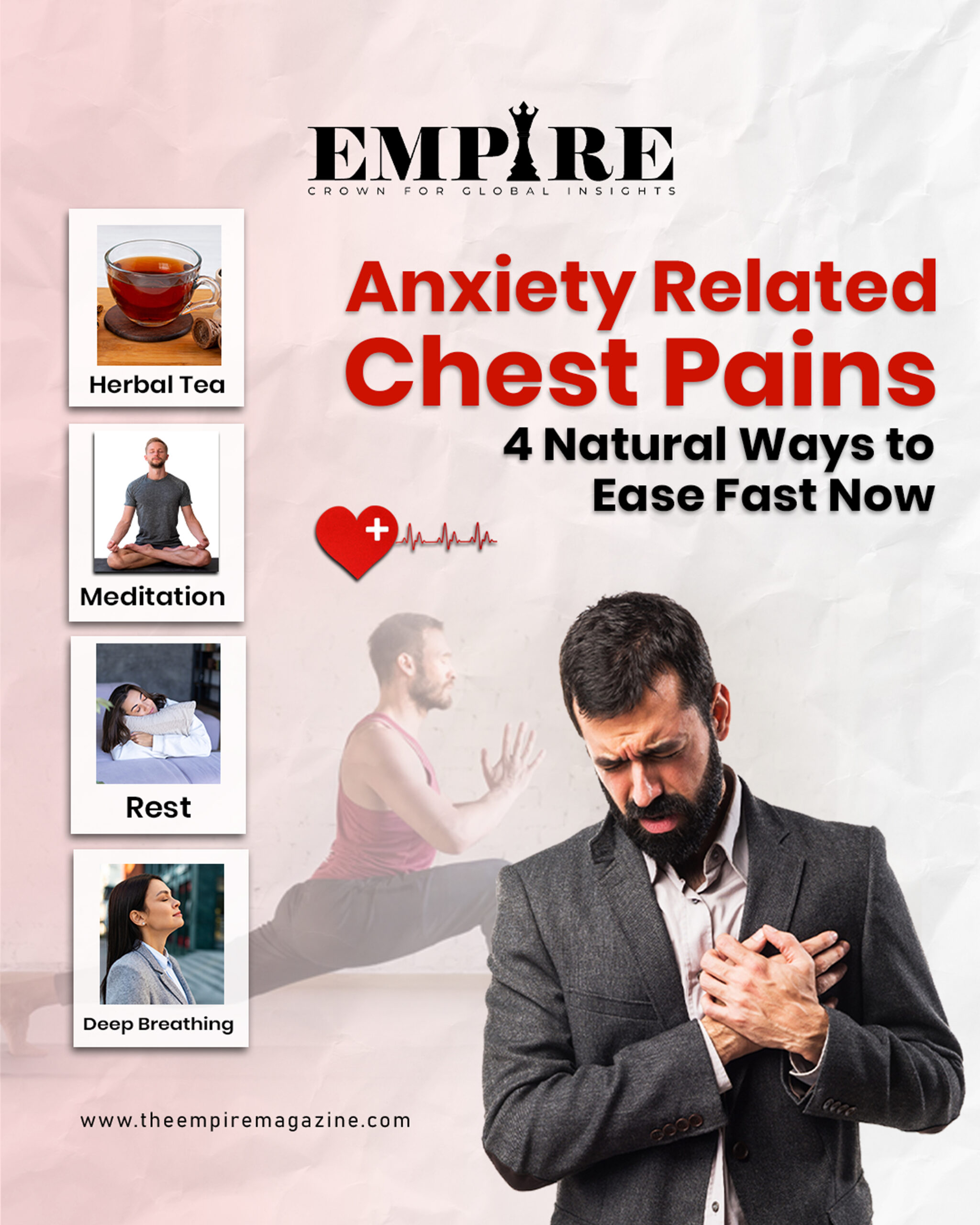
Anxiety related chest pains can be one of the most frightening symptoms of stress and panic. For many people, the sensation feels sudden, intense, and deeply alarming. Tightness, stabbing discomfort, pressure, muscle spasms, or a dull ache in the chest can easily make someone fear the worst. Yet in many cases, these sensations are linked to anxiety rather than a heart-related emergency. That said, chest pain should never be ignored, especially if symptoms last, spread, or worsen.
When anxiety takes over, the body shifts into a stress response. This can trigger a surge of adrenaline and cortisol, raise the heart rate, tighten the muscles, and affect breathing patterns. As breathing becomes shallow or rapid, chest discomfort can become more noticeable. The result is a cycle where fear intensifies symptoms, and symptoms intensify fear.
Understanding what is happening in the moment is an important step toward relief. While long-term support may be necessary when anxiety is frequent, there are also natural ways to calm the body and ease discomfort when symptoms appear. These methods do not replace medical care, but they can help regain a sense of control when anxiety related chest pains begin to rise.
Why Anxiety Causes Chest Pain
Before looking at solutions, it helps to understand why anxiety related chest pains happen in the first place. Anxiety activates the body’s fight-or-flight response. This is a natural survival mechanism designed to protect you during perceived danger. During this response, the body prepares for action by increasing alertness, tightening muscles, and changing breathing patterns.
These physical reactions can make the chest feel tight or painful. Some people describe it as a sharp stabbing feeling, while others feel pressure, tension, numbness, or muscle twitching. The experience can vary from person to person, and it may come on gradually or suddenly.
Because the symptoms can resemble those of a heart problem, many people panic even more when they feel them. This is what makes anxiety chest pain so distressing. The good news is that natural calming techniques can often reduce the intensity of symptoms and help interrupt the stress cycle.
1. Recognize What Is Happening
The first natural step in easing anxiety related chest pains is recognizing the episode for what it may be. This does not mean dismissing pain or assuming everything is harmless. It means pausing long enough to notice that your body may be in an anxiety response rather than immediately fueling the panic. Recognition can reduce fear and help you decide on the next best step.
When chest pain begins during an anxious moment, tell yourself clearly and calmly that your body may be overstimulated. If you are in a loud, stressful, or emotionally intense setting, try stepping away from it. Reducing stimulation can lower the sense of threat and help your nervous system settle.
This matters because fear often feeds physical symptoms. When you identify what is happening, you create mental space between yourself and the panic. That small pause can make a major difference.
2. Focus on Your Breathing
One of the most effective natural tools for anxiety related chest pains is controlled breathing. Anxiety often causes short, rapid breaths or hyperventilation, which can worsen chest tightness and discomfort. Slowing your breath helps calm the nervous system, lower physical tension, and reduce the stress response.
There are several simple breathing techniques you can try.
The 4-7-8 method involves inhaling for four counts, holding the breath for seven counts, and exhaling for eight counts. This pattern encourages relaxation and slows the body down.
Box breathing is another helpful method. Exhale fully, inhale for four counts, hold for four counts, exhale for four counts, and repeat. This technique is useful when you need structure and focus during a stressful moment.
Belly breathing, also called diaphragm breathing, can be especially calming. Place one hand on your chest and one on your belly. Inhale slowly and feel the belly rise, then exhale slowly and feel it fall. This encourages deeper breathing and helps the body move away from shallow panic breathing.
The key is not to expect instant relief in seconds. It may take a few minutes of intentional breathing before symptoms begin to settle. Staying patient with the process is important.
3. Use the 3-3-3 Grounding Technique
Grounding techniques can help when anxiety related chest pains are being made worse by racing thoughts and fear. One especially simple method is the 3-3-3 technique, which shifts attention away from internal panic and back to the present environment.
Start by naming three things you can see around you. Notice their colors, shapes, or textures. Then name three things you can hear. Focus on sound details, whether they are soft, loud, near, or far. Finally, move three parts of your body, such as your fingers, shoulders, or feet.
This grounding process helps redirect the brain away from catastrophic thinking. It reminds your body that you are in the present moment, not in immediate danger. While it may not erase symptoms instantly, it can reduce the spiral that makes chest pain feel more overwhelming.
This method is especially useful when you feel anxiety building before it becomes a full panic episode. Used early, it can help reduce the intensity of physical symptoms before they escalate.
4. Seek Therapy for the Root Cause
Natural in-the-moment methods are valuable, but if anxiety related chest pains happen regularly, the deeper issue needs attention. This is where therapy becomes one of the most important long-term solutions. Short-term calming tools can help during an episode, but they do not resolve the patterns, triggers, or thought loops causing repeated anxiety.
Working with a doctor or therapist can help identify what drives your anxiety and teach coping methods that are more sustainable. Cognitive behavioral therapy is especially useful because it helps people recognize negative thought patterns and reframe behaviors that trigger anxiety responses.
Therapy can support people dealing with panic disorder, generalized anxiety, social anxiety, obsessive-compulsive disorder, post-traumatic stress, and prolonged grief. Over time, this kind of support can reduce the frequency and severity of chest-related anxiety symptoms.
Seeking help is not weakness. It is often the most effective way to build confidence, regain control, and stop the cycle from repeating.
Anxiety Chest Pain vs Heart Attack Symptoms
Because anxiety related chest pains can feel intense, it is important to know that there are differences between anxiety-related discomfort and heart attack symptoms, although it can still be difficult to tell in the moment. Anxiety chest pain is often described as sharp and more localized to the chest, while heart-related pain is more often described as heavy pressure and may radiate to the arm or shoulder. Heart attack pain is also more likely during physical exertion, while panic-related chest pain often happens during rest.
Still, chest pain should be taken seriously. According to the guidance in the provided material, you should seek medical care immediately if the chest tightness lasts longer than 10 minutes, if the pain radiates into the arms, or if other physical symptoms develop.
Final Thoughts
Anxiety related chest pains can feel terrifying, but they are also a common response to intense stress and panic. Learning how to recognize the signs, calm your breathing, ground yourself, and seek long-term support can make a major difference. Relief often begins with understanding that your body is responding to stress, not necessarily failing you.
Natural techniques are most effective when practiced consistently, not only during crisis moments. The more familiar you become with your body’s stress patterns, the easier it becomes to respond with calm rather than fear. And when symptoms become frequent, persistent, or confusing, professional support is the smartest next step.
For more wellness insights, visit:
https://theempiremagazine.com/?p=5926
Stay connected with us:
Instagram: https://www.instagram.com/the_empire_magazine/
Facebook: https://www.facebook.com/profile.php?id=61573749076160
– The Empire Magazine
Crown For Global Insights