
Women in Healthcare Leadership: Need for Change India
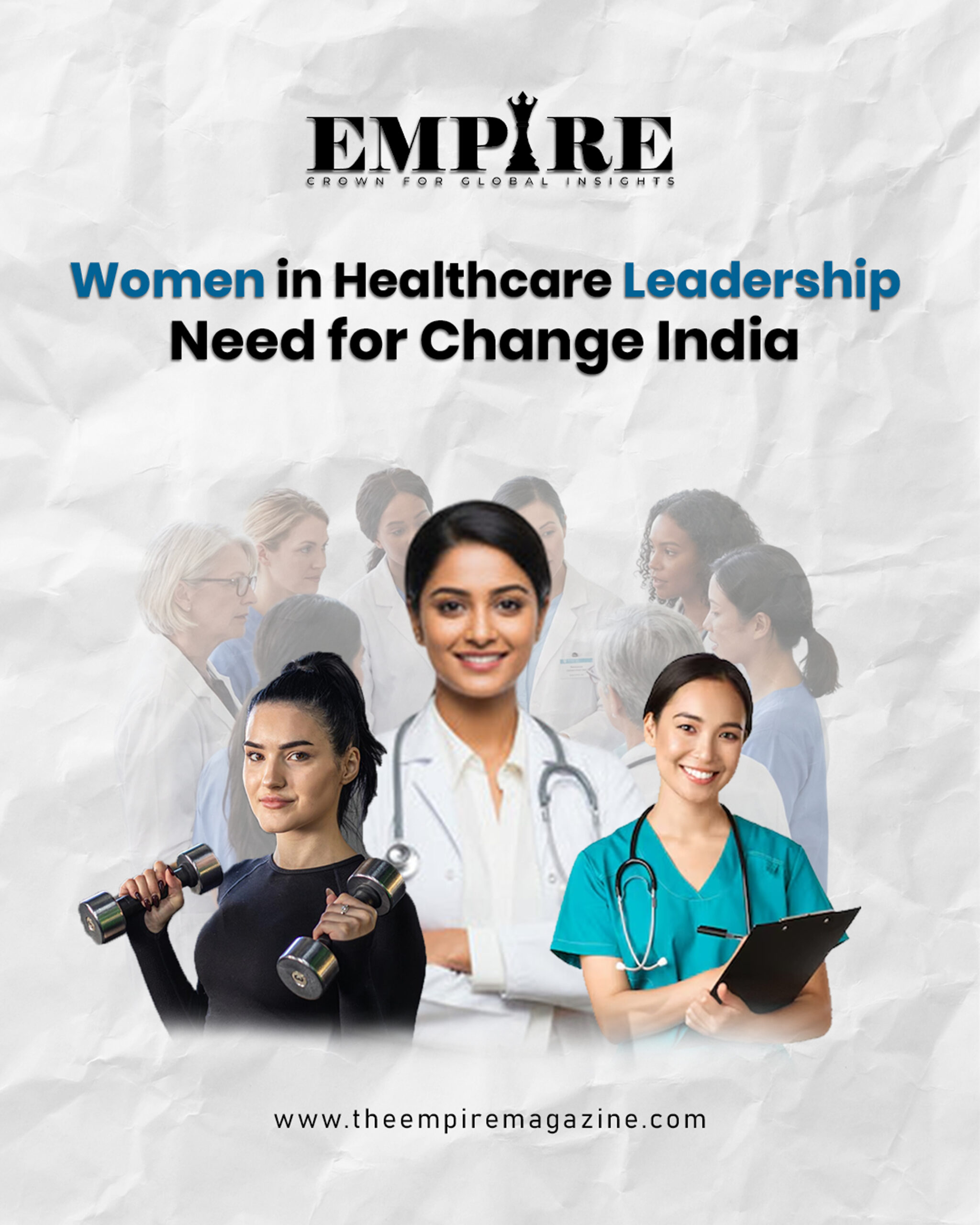
Women in Healthcare Leadership is no longer just about representation—it is about building stronger, more effective healthcare systems. Across India and the world, women form the backbone of the healthcare workforce. They serve as doctors, nurses, caregivers, researchers, and administrators. Yet, when it comes to leadership roles, decision-making power, and executive positions, women remain significantly underrepresented. Pasted text
This imbalance is not only a matter of inequality but also a missed opportunity for progress. As healthcare systems grow more complex and demand innovative solutions, excluding a major portion of the workforce from leadership roles limits the potential for meaningful transformation.
The Disconnect Between Workforce and Leadership
The healthcare sector heavily relies on women at every level of service delivery. In many areas, women make up the majority of professionals providing care. However, leadership structures continue to be dominated by men.
This disconnect highlights a critical issue: those who are most involved in patient care often have the least influence over policies and strategic decisions. When leadership does not reflect the workforce, organizations lose valuable insights and perspectives that are essential for improving healthcare outcomes. Pasted text
A more inclusive leadership structure would ensure that decisions are better aligned with real-world challenges faced by healthcare professionals and patients alike.
Understanding the “Leaky Pipeline”
One of the most common explanations for the lack of Women in Healthcare Leadership is the concept of the “leaky pipeline.” Women enter the healthcare profession in strong numbers but gradually drop out of the leadership track.
Several factors contribute to this issue:
- Unconscious bias in hiring and promotions
- Limited access to mentorship and sponsorship
- Inflexible work structures
- Career breaks due to caregiving responsibilities
- Traditional leadership models that do not support diversity
These challenges create barriers that prevent women from advancing, resulting in a loss of talent and leadership potential.
Why Women Leadership Matters in Healthcare
Improving Women in Healthcare Leadership is not just a social goal—it is a strategic necessity.
Better Decision-Making
Diverse leadership teams bring a wider range of perspectives, leading to more balanced and effective decisions.
Improved Patient Outcomes
Women leaders often emphasize empathy, communication, and patient-centered care, which are critical in healthcare.
Stronger Workplace Culture
Inclusive leadership fosters collaboration, trust, and employee satisfaction.
Focus on Underserved Areas
Women leaders are more likely to prioritize issues such as maternal health, reproductive care, and community well-being.
These benefits demonstrate that gender diversity in leadership directly contributes to better healthcare systems.
Impact on Public Health and Society
The presence of Women in Healthcare Leadership has a direct impact on public health outcomes. When women participate in decision-making roles, healthcare systems often prioritize broader community needs.
This includes:
- Increased investment in healthcare facilities
- Greater focus on preventive care
- Improved access to maternal and child healthcare
- Higher immunization rates
In a country like India, where healthcare demands are rapidly growing, inclusive leadership is essential for ensuring equitable access and effective service delivery.
Business Case for Gender Diversity
From an organizational perspective, promoting women into leadership roles also makes strong business sense.
Healthcare institutions operate in a rapidly changing environment influenced by technology, patient expectations, and global trends. Innovation thrives when diverse perspectives are included.
Organizations that rely on limited leadership profiles risk stagnation. In contrast, those that embrace diversity are more adaptable, innovative, and resilient.
Women are not just contributors—they are essential drivers of growth, innovation, and long-term success in healthcare.
What Needs to Change?
Addressing the gap in Women in Healthcare Leadership requires intentional action and systemic reform.
1. Set Measurable Goals
Organizations must move beyond symbolic commitments and establish clear targets for leadership diversity.
2. Build Strong Support Systems
Flexible work policies, parental support, and re-entry programs are essential for retaining talent.
3. Invest in Mentorship and Training
Providing mentorship opportunities helps women navigate career challenges and advance into leadership roles.
4. Encourage Inclusive Leadership
Leaders must actively promote diversity and create opportunities for women to grow.
5. Redefine Leadership Models
Traditional leadership structures must evolve to accommodate diverse career paths and experiences.
The Role of Allyship
Achieving gender equality in leadership is not solely the responsibility of women. Male leaders play a crucial role in driving change.
Allyship involves:
- Supporting fair hiring and promotion practices
- Mentoring and sponsoring women professionals
- Creating inclusive workplace cultures
When organizations treat gender diversity as a shared responsibility, progress becomes more effective and sustainable.
Empowering Women for Leadership
While systemic change is essential, individual empowerment also plays a role. Women should be encouraged to pursue leadership opportunities with confidence.
Key actions include:
- Building professional networks
- Seeking mentorship and guidance
- Investing in skill development
- Advocating for career growth
However, it is important to recognize that the burden of change should not fall solely on individuals. Institutions must create environments where leadership opportunities are accessible to all.
The Future of Healthcare Leadership in India
India stands at a critical point in its healthcare journey. With growing demands, technological advancements, and a focus on accessibility, the need for inclusive leadership has never been greater.
Expanding Women in Healthcare Leadership is not just about fairness—it is about building a stronger healthcare system for the future.
By unlocking the full potential of its workforce, India can create a more innovative, efficient, and equitable healthcare system.
To explore more insights on leadership and global trends, visit:
👉 https://theempiremagazine.com/?p=5714
Stay connected for more insights:
📸 Instagram: https://www.instagram.com/the_empire_magazine/
📘 Facebook: https://www.facebook.com/profile.php?id=61573749076160
– The Empire Magazine
Crown For Global Insights