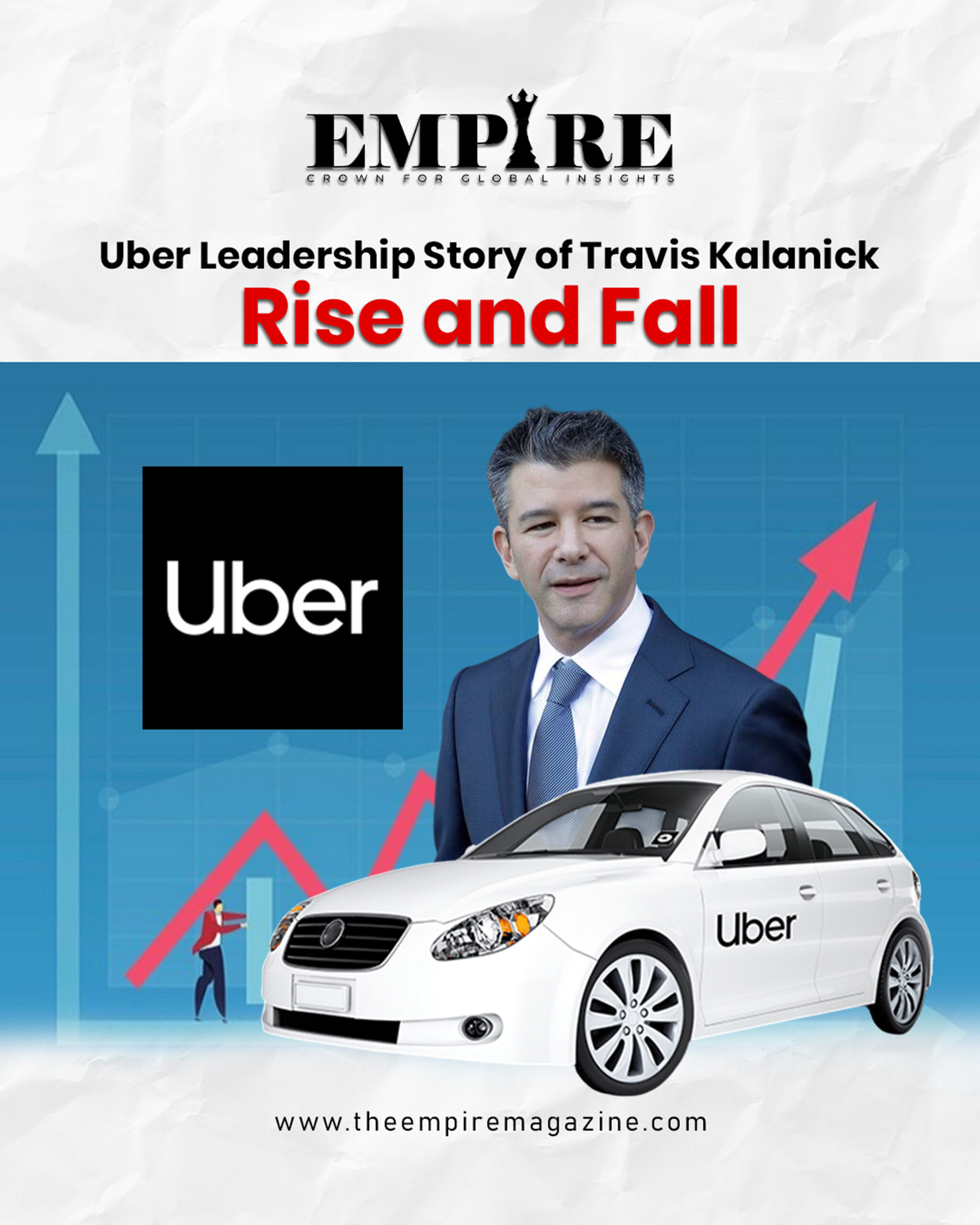
The Uber leadership story of Travis Kalanick is one of the most dramatic and influential journeys in modern business history. Known for his bold vision and aggressive growth strategies, Kalanick transformed Uber from a small startup into a global transportation giant. However, his leadership journey was equally marked by controversy, cultural challenges, and a dramatic exit that reshaped the company’s future.
The Birth of Uber and Vision for Disruption
Travis Kalanick co-founded Uber with the idea of revolutionizing urban transportation. The concept was simple yet powerful—use technology to connect riders with drivers through a mobile application. This innovation disrupted traditional taxi services and introduced a new model of convenience, efficiency, and accessibility.
Kalanick’s vision extended beyond ride-hailing. He saw Uber as a technology platform capable of transforming how people move, not just within cities but globally. His ambition and relentless drive played a key role in the company’s rapid expansion across markets.
Aggressive Growth and Global Expansion
Under Kalanick’s leadership, Uber expanded at an unprecedented pace. The company entered new cities and countries aggressively, often challenging local regulations and established industries. This approach allowed Uber to dominate the ride-hailing market quickly.
Kalanick believed in scaling fast and adapting later. His strategy prioritized market capture over regulatory compliance, which helped Uber gain a competitive edge but also led to significant legal battles. Despite these challenges, the company became one of the most valuable startups in the world.
A Culture of Intensity and Innovation
Uber’s internal culture during Kalanick’s tenure was defined by high performance, intense competition, and a strong focus on results. Employees were encouraged to think boldly and act quickly, fostering an environment of innovation and rapid decision-making.
This culture contributed to Uber’s success but also created internal tensions. The emphasis on growth and performance sometimes overshadowed the importance of organizational values and employee well-being. Over time, this imbalance began to surface as a critical issue.
Controversies and Leadership Challenges
As Uber grew, so did scrutiny around its leadership and corporate practices. The company faced multiple controversies, including workplace culture issues, regulatory conflicts, and public relations challenges.
Critics pointed to a lack of accountability and concerns about the company’s internal environment. These issues began to impact Uber’s reputation and raised questions about Kalanick’s leadership style.
The turning point came when these challenges reached a level that required significant changes within the organization. Investors and stakeholders began to push for stronger governance and a shift in leadership approach.
The Fall: Resignation and Leadership Transition
In 2017, Travis Kalanick stepped down as CEO of Uber following mounting pressure from investors and the board. His resignation marked the end of an era for the company.
While his departure was driven by controversy, it also reflected the need for a new phase of leadership focused on stability, culture, and long-term sustainability. Uber’s transition highlighted the importance of balancing innovation with responsible governance.
The Impact of Kalanick’s Leadership
Despite the challenges, Travis Kalanick’s impact on the global business landscape is undeniable. He redefined urban mobility and introduced a new standard for convenience in transportation.
Uber’s success inspired a wave of startups across industries, demonstrating the power of technology-driven disruption. Kalanick’s leadership style, though controversial, showed how bold vision and execution can transform entire sectors.
Lessons from a Rollercoaster Journey
The Uber leadership story offers valuable lessons for entrepreneurs and business leaders:
Vision Drives Innovation
Kalanick’s ability to envision a new way of transportation was the foundation of Uber’s success. A strong vision can inspire teams and attract investment.
Growth Must Be Balanced with Governance
Rapid expansion is important, but it must be accompanied by strong leadership principles and ethical practices.
Culture Shapes Long-Term Success
An organization’s culture plays a critical role in sustaining growth. A focus on values and employee well-being is essential.
Leadership Requires Adaptability
As companies evolve, leadership styles must also adapt. What works in the startup phase may not be suitable for a global enterprise.
Uber’s Transformation After Kalanick
Following Kalanick’s departure, Uber entered a new phase focused on rebuilding its culture and strengthening its governance. The company implemented changes aimed at improving transparency, accountability, and employee experience.
This transformation helped Uber stabilize and continue its growth, demonstrating the resilience of the organization and its ability to evolve.
The Legacy of Travis Kalanick
Travis Kalanick’s legacy is complex. He is remembered both as a visionary entrepreneur and a controversial leader. His journey reflects the highs and lows of building a disruptive global company.
The Uber leadership story serves as a powerful reminder that success in business is not just about innovation but also about responsibility, ethics, and sustainable leadership.
For more insights on global business leadership and innovation, visit:
👉 https://theempiremagazine.com/?p=5855
Stay connected with us:
Instagram: https://www.instagram.com/the_empire_magazine/
Facebook: https://www.facebook.com/profile.php?id=61573749076160
The Empire Magazine
Crown For Global Insights