Trust and Transparency in the Gaming Economy: Securing Player Confidence
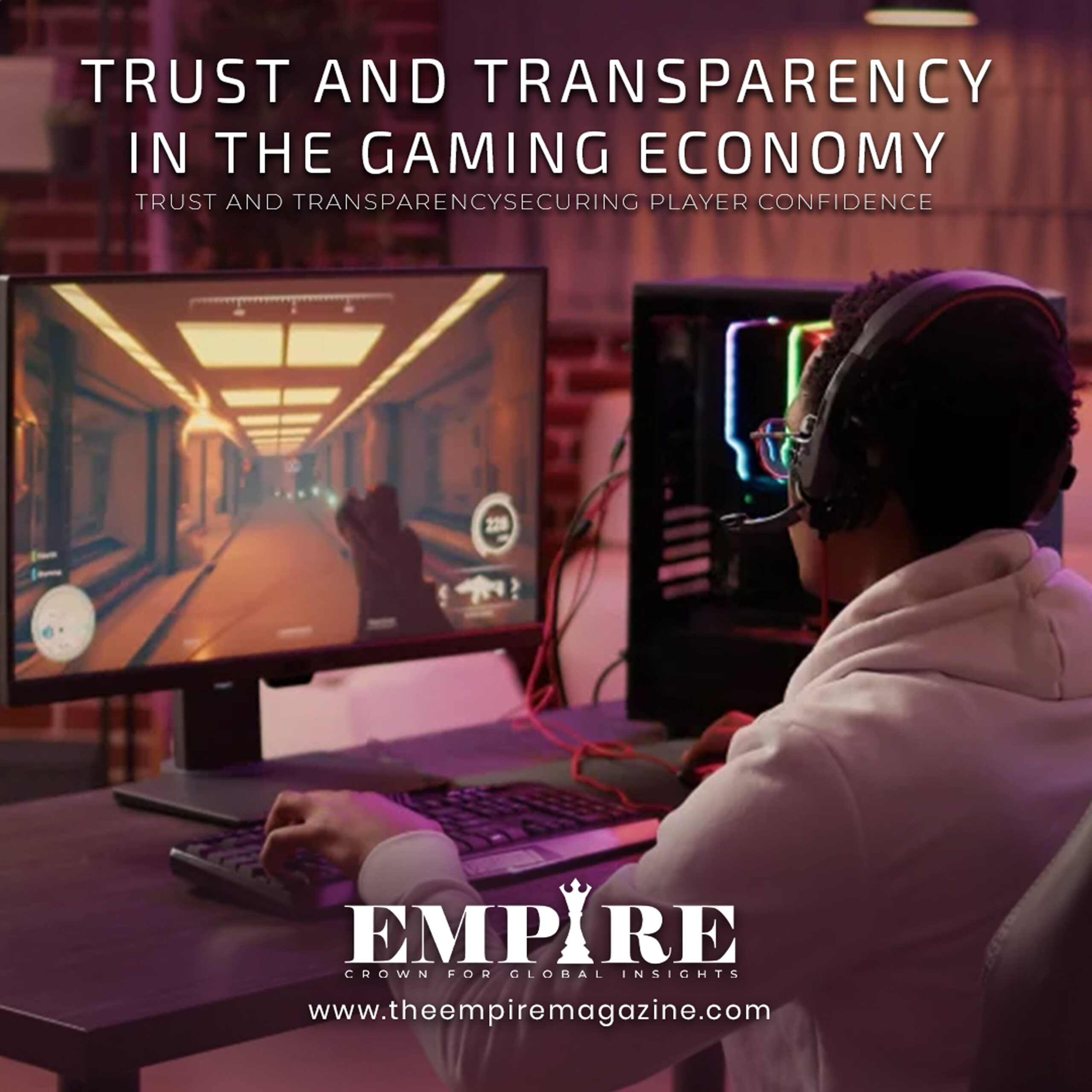
The global gaming industry has evolved far beyond entertainment. Today, it represents a powerful digital economy where players invest real money, trade virtual assets, and build online identities. In this rapidly expanding ecosystem, Trust and Transparency in the Gaming Economy have become essential pillars of long-term success. Without player confidence, even the most innovative games risk losing their communities.
From esports tournaments worth millions to in-game purchases that generate billions annually, the financial scale of gaming has transformed how platforms operate. Players are no longer just participants—they are consumers, investors, and digital citizens. This shift demands stronger security, clear communication, and ethical systems that protect both money and data.
To explore how digital ecosystems are shaping global economic trends, read our related insight:
https://theempiremagazine.com/?p=5343
The Expanding Digital Gaming Economy
The structure of the gaming industry has changed dramatically over the past decade. Traditional one-time purchases have been replaced by continuous digital transactions. Microtransactions, downloadable content, season passes, digital skins, and virtual currencies now drive revenue models.
Competitive gaming has added another layer of complexity. Esports leagues attract global sponsorships, streaming contracts, and advertising partnerships. Virtual real estate and rare in-game assets can be traded for significant amounts of money.
As this ecosystem grows, so does risk. Where money flows, cyber threats follow. Account takeovers, fraudulent purchases, cheating tools, and data breaches all threaten player confidence. In this environment, Trust and Transparency in the Gaming Economy are no longer optional—they are strategic necessities.
Why Trust Is the Foundation of Player Engagement
Players invest more than money in gaming platforms. They invest time, creativity, skill development, and personal identity. Losing access to an account or experiencing unfair competition can feel deeply personal.
Trust influences multiple aspects of the gaming ecosystem:
Financial Confidence: Players are more willing to make purchases when payment systems are secure and transparent.
Fair Competition: In esports and online multiplayer environments, strong anti-cheat measures ensure credibility and integrity.
Community Growth: Safe and respectful digital spaces encourage players to invite friends and build communities.
Brand Loyalty: Transparent companies retain long-term users, even when technical challenges arise.
Without trust, engagement declines. Without engagement, the economy weakens.
Key Threats Undermining Transparency
Several challenges threaten Trust and Transparency in the Gaming Economy:
- Account Hacking: Stolen login credentials can lead to financial losses and emotional distress.
- Fraudulent Transactions: Unauthorized purchases damage both player and platform credibility.
- Cheating and Exploits: Bots and hacks disrupt competitive fairness.
- Data Privacy Risks: Mishandled personal information erodes long-term confidence.
- Toxic Behavior: Harassment within gaming communities reduces psychological safety.
These risks highlight the need for proactive security frameworks and open communication policies.
Building Transparency Through Clear Communication
Transparency is more than a public relations strategy—it is an operational philosophy. Gaming platforms that openly communicate policies, updates, and security practices build stronger relationships with their players.
Clear Security Policies: Players should understand how their accounts are protected, including multi-factor authentication and encryption practices.
Visible Anti-Cheat Systems: Platforms that actively demonstrate enforcement against cheaters reinforce fairness.
Incident Reporting: When issues occur, prompt disclosure and action strengthen credibility.
User Empowerment: Giving players control over privacy settings and security alerts increases confidence.
Transparency is not about eliminating mistakes; it is about addressing them responsibly.
Technology as a Trust Enabler
Advanced technologies are playing a growing role in strengthening Trust and Transparency in the Gaming Economy.
Artificial intelligence systems detect suspicious behavior, flag fraudulent transactions, and identify cheating patterns in real time. Blockchain-based ownership verification is being explored to provide transparent digital asset tracking.
Biometric authentication and advanced encryption techniques add additional layers of protection. However, technology alone is not sufficient. Ethical implementation and responsible governance remain essential.
Regulation and Compliance
As gaming platforms expand globally, regulatory frameworks are evolving. Data protection laws such as the General Data Protection Regulation (GDPR) in Europe require transparency in data handling practices.
Some jurisdictions are introducing stricter rules around loot boxes and digital gambling elements to protect younger audiences. Payment systems must comply with financial regulations to prevent money laundering and fraud.
While compliance may increase operational complexity, it also reinforces player trust. Platforms that meet high regulatory standards signal reliability and accountability.
Security as a Competitive Advantage
In the modern gaming ecosystem, security is no longer viewed as a cost center—it is a growth driver. Platforms that prioritize Trust and Transparency in the Gaming Economy gain measurable advantages.
- Higher player retention rates
- Increased in-game spending
- Stronger partnerships with sponsors and investors
- Improved global expansion capabilities
Trust becomes a differentiator. Players increasingly compare not only gameplay quality but also safety standards.
The Future of Trust in Gaming
Looking ahead, the gaming industry will continue integrating advanced verification systems and ethical design practices. AI-driven moderation will help reduce toxic behavior. Transparent economic systems will clarify digital asset ownership. Privacy-first architecture will shape platform development.
Companies that embed Trust and Transparency in the Gaming Economy into their core strategy will lead the next phase of growth. Those that neglect it risk losing both revenue and reputation.
Trust is the true currency of digital gaming. When players feel secure, they invest more deeply—financially and emotionally. Transparency transforms platforms into communities, and security transforms communities into thriving economies.
The gaming world of tomorrow will be defined not only by innovation and graphics but by accountability and fairness. Platforms that understand this will build lasting ecosystems grounded in player confidence.
– The Empire Magazine
Crown For Global Insights