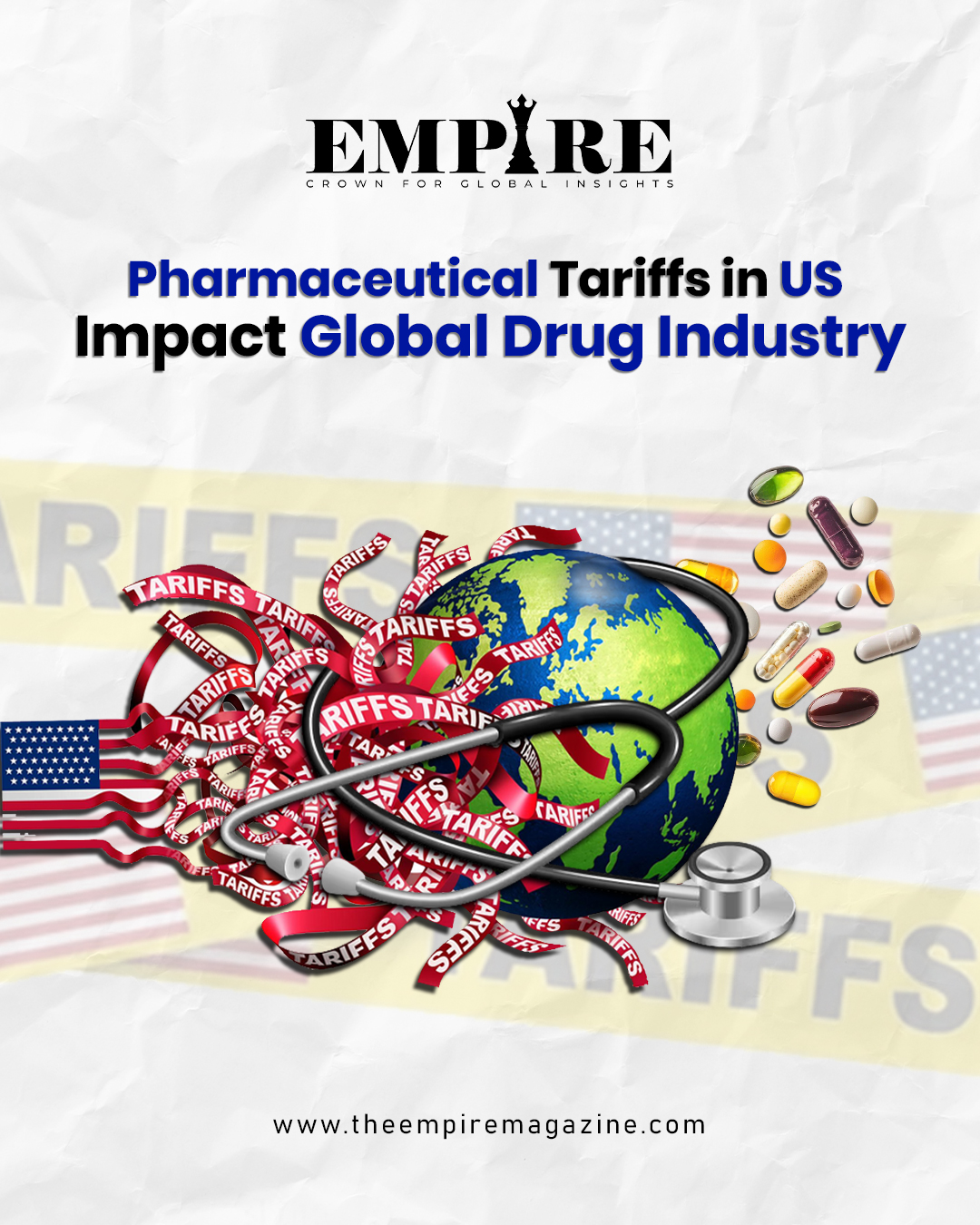
The introduction of pharmaceutical tariffs in US marks a significant shift in global healthcare and trade policy. With the announcement of a 100% tariff on patented medicines entering the United States, the move has sparked widespread attention across the pharmaceutical industry. While the policy is designed to strengthen domestic manufacturing and reduce reliance on foreign supply chains, it also introduces complex challenges and opportunities for drug manufacturers worldwide.
This policy reflects a broader effort to prioritize national security and ensure a stable supply of critical medicines within the United States. By encouraging pharmaceutical companies to invest in domestic production, the government aims to reduce vulnerabilities associated with global supply disruptions. However, the structure of the tariffs suggests that they are not solely punitive but also strategic, offering companies multiple pathways to avoid or reduce these levies.
Understanding the 100% Tariff Policy
At its core, the new policy imposes a 100% tariff on patented medicines imported into the United States. This represents a dramatic increase in import costs for certain high-value drugs. However, it is important to note that the policy does not apply to generic medicines, which constitute the majority of prescriptions in the US. This distinction significantly limits the immediate impact on everyday healthcare consumers.
The focus on patented medicines indicates a targeted approach aimed at influencing large pharmaceutical companies rather than disrupting the broader healthcare system. These medicines often represent high-margin products, making them a key area for negotiation and policy leverage.
A Strategy Built on Negotiation and Leverage
The tariff policy is structured as a negotiation tool rather than a rigid trade barrier. Pharmaceutical companies are given the opportunity to avoid or reduce tariffs by entering into agreements with the US administration. This approach shifts the dynamic from enforcement to bargaining, encouraging companies to align with government objectives.
Companies that commit to establishing manufacturing operations within the United States before early 2029 can significantly reduce their tariff burden. Under this arrangement, tariffs may drop from 100% to 20%, providing a strong incentive for domestic investment.
Furthermore, firms that agree to pricing arrangements with government healthcare programs can eliminate tariffs entirely. These agreements typically involve offering medicines at prices comparable to those in international markets, making them more affordable for public health systems.
Impact on Global Pharmaceutical Companies
Many large pharmaceutical companies have already begun negotiating agreements to avoid the tariffs. This indicates that the policy is effectively driving industry behavior, pushing companies toward compliance and collaboration.
However, the impact is not uniform across the industry. Smaller and medium-sized companies may face greater challenges in adapting to the new requirements. Unlike large corporations, they may lack the resources to invest in US-based manufacturing or negotiate favorable pricing agreements.
As a result, these companies could experience increased operational costs, which may ultimately be passed on to consumers or limit their market participation.
Encouraging Domestic Manufacturing
One of the primary goals of the pharmaceutical tariffs in US is to boost domestic manufacturing capabilities. By incentivizing companies to produce medicines locally, the policy aims to strengthen the country’s pharmaceutical supply chain.
This shift could lead to significant investment in infrastructure, job creation, and technological advancement within the United States. Reports suggest that the policy has already encouraged substantial financial commitments from pharmaceutical firms, signaling a positive response from the industry.
However, domestic manufacturing often comes with higher production costs compared to overseas facilities. This raises questions about the long-term impact on drug pricing and affordability.
Balancing Costs and Accessibility
While the policy aims to enhance national security and economic resilience, it also introduces potential risks related to healthcare costs. Higher production expenses and tariff-related pressures could lead to increased prices for certain medicines.
Pricing agreements with government programs are intended to mitigate these effects, but their scope remains limited. The success of these agreements will play a crucial role in determining whether the policy achieves its intended balance between affordability and sustainability.
International Trade Implications
The introduction of pharmaceutical tariffs also has significant implications for international trade relationships. Existing agreements with key partners ensure that certain countries continue to benefit from lower or zero tariffs.
For example, agreements with major global markets allow pharmaceutical products from these regions to enter the US without additional tariffs under specific conditions. These arrangements highlight the importance of diplomatic and economic partnerships in shaping trade policies.
Such agreements also create a competitive landscape where companies operating in countries with favorable trade terms may have an advantage over others.
Timeline and Implementation
The policy includes a defined timeline for compliance, giving companies a limited window to negotiate agreements or adjust their operations. Large pharmaceutical firms have approximately 120 days to finalize their arrangements, while smaller companies are given slightly more time.
This structured approach ensures that the policy is implemented efficiently while providing companies with an opportunity to adapt. However, the relatively short timeframe may pose challenges for organizations that require significant operational changes.
Broader Economic and Industry Effects
Beyond the pharmaceutical sector, the policy reflects a broader trend toward economic nationalism and strategic trade policies. By linking tariffs to domestic investment and pricing agreements, the government is using trade tools to achieve multiple objectives simultaneously.
The ripple effects of this policy may extend to other industries, influencing how companies approach global operations, supply chains, and market strategies.
Additionally, adjustments to tariffs on metals such as steel, aluminium, and copper indicate a wider effort to refine trade policies and reduce unnecessary costs for industries that rely on these materials.
The Future of Pharmaceutical Trade
The pharmaceutical tariffs in US signal a shift toward a more strategic and negotiation-driven approach to trade policy. As companies adapt to these changes, the industry is likely to see increased collaboration between governments and private organizations.
The long-term success of this policy will depend on its ability to balance multiple priorities, including national security, economic growth, and healthcare affordability. If implemented effectively, it could reshape the global pharmaceutical landscape and set a precedent for future trade strategies.
For more insights on global business and policy trends, visit:
👉 https://theempiremagazine.com/?p=5853
Stay connected with us:
Instagram: https://www.instagram.com/the_empire_magazine/
Facebook: https://www.facebook.com/profile.php?id=61573749076160
– The Empire Magazine
Crown For Global Insights