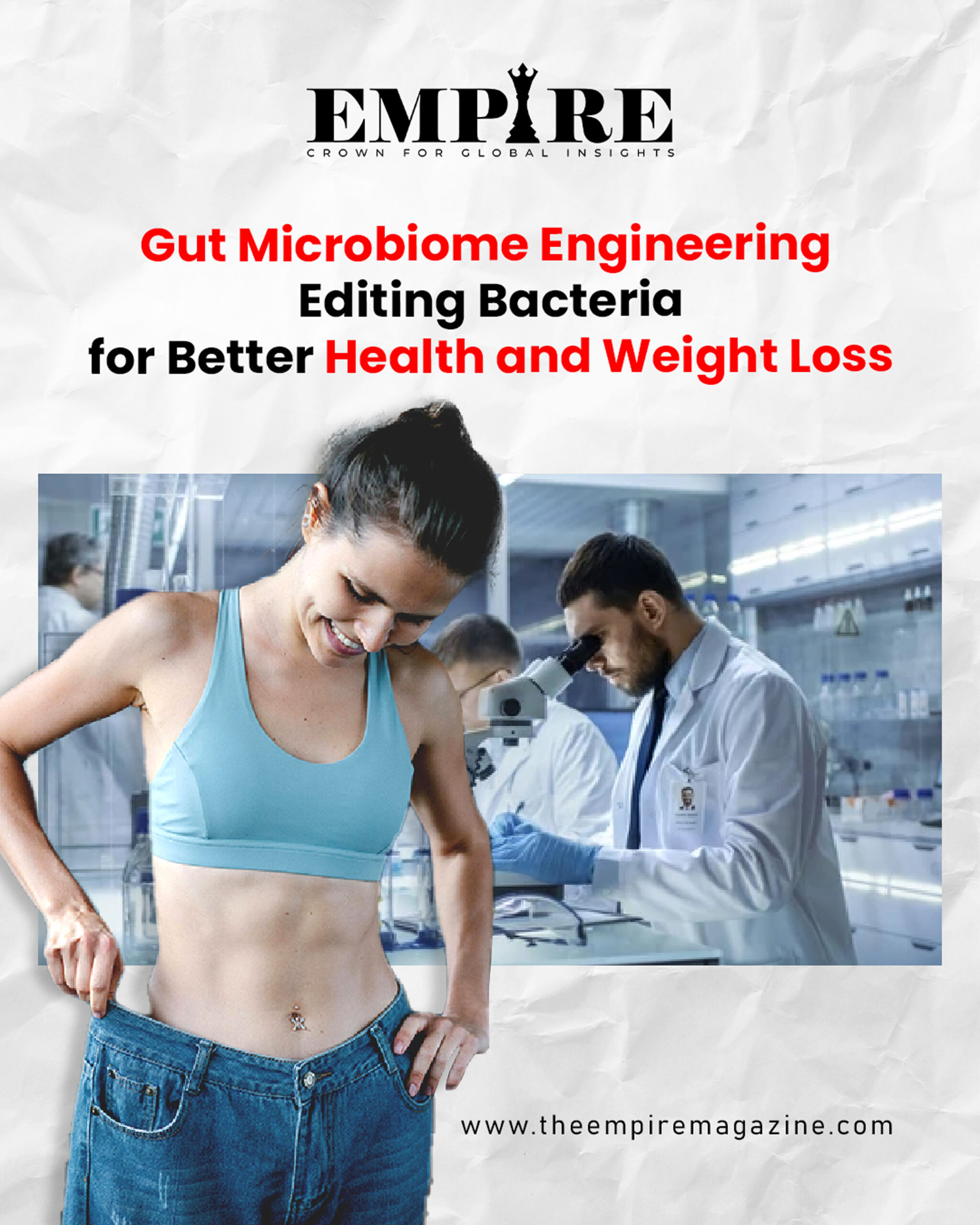
Gut Microbiome Engineering is one of the most exciting and fast-evolving fields in modern medicine. Scientists are now able to edit, modify, and engineer the trillions of bacteria living in our digestive system to prevent disease, improve mental health, and even achieve sustainable weight loss. In 2026, this emerging science is moving from research labs into early clinical applications, offering new hope for millions struggling with obesity, diabetes, autoimmune diseases, and digestive disorders.
Understanding the Gut Microbiome
The human gut contains over 100 trillion microorganisms, including bacteria, viruses, and fungi. This complex ecosystem, known as the gut microbiome, plays a crucial role in digestion, immune function, metabolism, mood regulation, and even brain health. An imbalance in these microbes (called dysbiosis) has been linked to conditions such as obesity, type 2 diabetes, inflammatory bowel disease, depression, and autoimmune disorders.
Rather than treating symptoms with traditional drugs, researchers are now targeting the root cause by directly engineering the microbiome itself.
What is Gut Microbiome Engineering?
Gut microbiome engineering involves deliberately modifying the composition and function of gut bacteria using advanced tools like CRISPR gene editing, synthetic biology, and precision probiotics. Scientists can:
- Add beneficial bacteria that are missing
- Remove or suppress harmful bacteria
- Genetically modify existing bacteria to perform new functions
- Create “designer microbes” that produce therapeutic compounds inside the body
This approach is far more targeted and potentially longer-lasting than traditional probiotics or dietary changes.
Breakthrough Applications in 2026
1. Weight Loss and Metabolic Health One of the most promising areas is obesity treatment. Certain engineered bacteria can:
- Reduce appetite by increasing production of satiety hormones
- Improve insulin sensitivity
- Block fat absorption in the intestines
- Convert dietary fiber into compounds that boost metabolism
Early clinical trials in 2026 have shown impressive results, with some patients losing 15–20% of body weight over six months through microbiome-based therapies, often with fewer side effects than traditional weight-loss drugs.
2. Chronic Disease Management Engineered bacteria are being developed to treat:
- Type 2 diabetes by producing insulin-regulating compounds
- Inflammatory bowel diseases like Crohn’s and ulcerative colitis
- Autoimmune conditions by modulating immune responses
- Mental health issues through the gut-brain axis (producing neurotransmitters like serotonin)
3. Personalized Medicine Advanced stool analysis and AI allow doctors to create highly personalized microbiome treatments based on an individual’s unique bacterial profile.
How Gut Microbiome Engineering Works
Modern techniques include:
- CRISPR Editing: Precisely modifying bacterial DNA to enhance beneficial functions or eliminate harmful ones.
- Synthetic Probiotics: Creating lab-designed bacteria with specific therapeutic properties.
- Microbiome Transplants: Transferring healthy donor microbiomes (with engineered improvements) to patients.
- Smart Bacteria: Bacteria programmed to release medicine only when needed, acting like living drug factories inside the body.
These approaches are often delivered through capsules, drinks, or specially formulated foods.
Benefits Over Traditional Treatments
- More natural and sustainable results
- Fewer side effects compared to pharmaceutical drugs
- Potential for long-term or permanent improvements
- Lower cost in the long run
- Ability to treat multiple conditions simultaneously
Challenges and Risks
Despite its promise, gut microbiome engineering faces several hurdles:
- Safety Concerns: Introducing genetically modified bacteria requires rigorous testing to ensure they don’t cause unintended effects.
- Regulation: Many countries are still developing frameworks for approving microbiome therapies.
- Individual Variation: What works for one person may not work for another due to genetic and lifestyle differences.
- Long-term Effects: Scientists are still studying the long-term impact of permanently altering the gut ecosystem.
- Ethical Questions: Concerns about “playing God” with human biology and potential misuse.
The Future of Gut Microbiome Engineering
By the end of this decade, experts predict that microbiome engineering will become a standard part of preventive and personalized medicine. Future possibilities include:
- Daily “microbiome optimization” supplements
- Vaccines that work through gut bacteria
- Treatments for neurological conditions like Alzheimer’s and Parkinson’s
- Precision nutrition programs based on real-time microbiome monitoring
Companies and research institutions worldwide are racing to develop safe, effective, and affordable solutions. The field is attracting massive investment as it sits at the intersection of biotechnology, nutrition, and digital health.
Why This Matters in 2026
Gut Microbiome Engineering represents a paradigm shift in healthcare — moving from treating disease to optimizing human biology at its foundation. For people struggling with weight loss, digestive issues, or chronic inflammation, this technology offers new hope where traditional approaches have often failed.
As research advances and regulatory approvals accelerate, microbiome engineering could become one of the most transformative medical breakthroughs of the 21st century.
For more science and health innovation insights, explore related coverage here: https://theempiremagazine.com/?p=6610
Follow The Empire Magazine on Instagram and Facebook for the latest updates.
– The Empire Magazine
Crown For Global Insights