Designing the Future: How Creativity and Technology Are Redefining the Modern Automobile
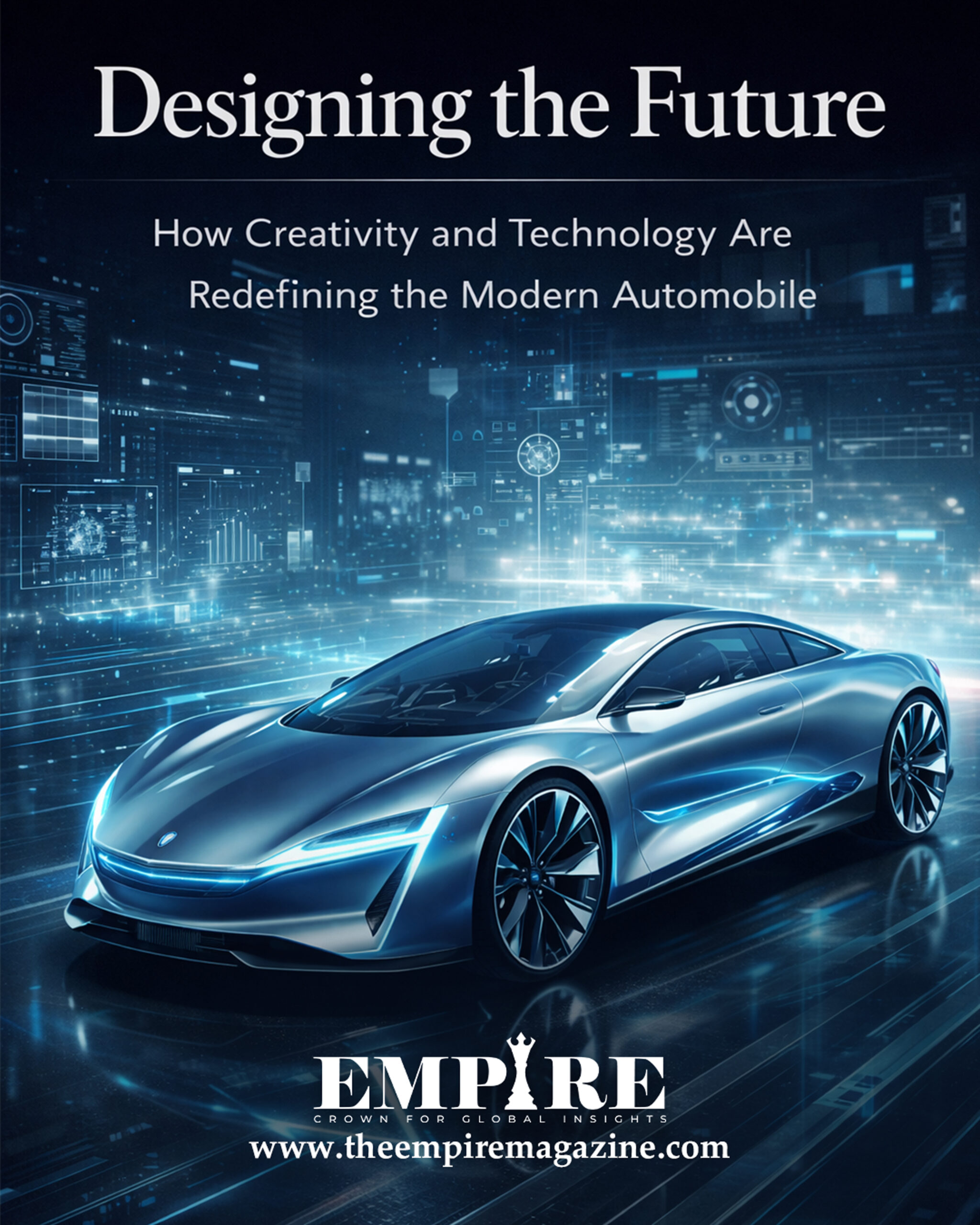
Designing the Future is no longer just an aspiration within the automotive world — it has become the defining principle shaping the next generation of vehicles. In 2025, the automobile industry stands at a powerful crossroads where creativity, intelligence, and sustainability converge. The modern car is no longer simply a means of transportation; it is a fusion of art, engineering, and digital innovation.
For more than a century, automobiles symbolized speed, freedom, and mechanical progress. Today, Designing the Future means reimagining mobility itself. From electric drivetrains and AI-powered dashboards to sustainable materials and autonomous systems, every element of vehicle design reflects a broader transformation in how humans move, connect, and live.
A New Era of Automotive Design
Traditional automotive design once focused primarily on performance and aesthetics. A powerful engine paired with an elegant exterior was enough to capture attention. But Designing the Future requires a far more holistic vision.
Modern designers are creating vehicles that integrate innovation, sustainability, and digital intelligence. The cars of 2025 are connected ecosystems — adaptive, responsive, and deeply personalized. From interior materials to user interfaces, every detail is carefully crafted to enhance both functionality and emotional engagement.
Automotive studios across the globe — from Detroit and Munich to Tokyo and Pune — are redefining what mobility looks and feels like. Electric mobility, autonomous driving, and intelligent systems have expanded the designer’s canvas beyond metal and glass into software and experience.
Designers today are not just shaping vehicles; they are shaping the future of mobility.
Technology as the New Design Partner
One of the most transformative forces in Designing the Future is technology itself. Artificial intelligence, augmented reality, 3D printing, and advanced data analytics have become essential tools in the design process.
In previous decades, refining a vehicle concept could take months. Now, digital modeling and virtual reality allow designers to visualize, adjust, and perfect prototypes in real time. 3D printing accelerates development cycles, encouraging rapid experimentation and innovation.
AI plays a particularly powerful role. It can simulate aerodynamic performance, predict user behavior, and recommend design refinements. Intelligent systems analyze vast amounts of data, helping designers discover forms and efficiencies that would have been impossible to conceive manually.
Yet, even with cutting-edge technology, the human touch remains irreplaceable. Designing the Future is ultimately about storytelling — about translating imagination into motion. Technology enhances creativity, but creativity gives technology purpose.
Sustainability and the Green Transformation
Sustainability is no longer optional in automotive design — it is foundational. The industry that once relied heavily on fossil fuels and resource-intensive materials is transitioning toward cleaner, more responsible solutions.
Designing the Future means embracing renewable materials, lightweight structures, and energy-efficient engineering. Manufacturers are incorporating recycled fabrics, plant-based plastics, bamboo composites, and vegan leather alternatives into vehicle interiors. Lightweight aluminum and carbon fiber composites reduce emissions while enhancing performance.
Electric vehicles have also transformed exterior design language. Without traditional combustion engines, designers gain freedom to create smoother silhouettes and aerodynamic forms. Large grilles and exhaust systems are giving way to minimalist, futuristic aesthetics.
The commitment to sustainability extends beyond the vehicle itself. Charging infrastructure, battery innovation, and renewable energy integration influence how vehicles are conceptualized and constructed.
The modern automobile is becoming a symbol not just of mobility, but of environmental responsibility.
The Rise of the Intelligent Car
In 2025, vehicles are increasingly intelligent and interconnected. Designing the Future now involves merging mechanical engineering with advanced software systems.
Cars are no longer passive machines — they are active participants in mobility. AI-powered dashboards replace analog controls. Voice assistants and gesture recognition systems enhance accessibility. Smart sensors monitor driver behavior and environmental conditions to optimize safety.
Interiors have evolved into digital environments. Seamless screens integrate navigation, entertainment, and communication. Ambient lighting adjusts to mood and driving conditions. AI monitors fatigue levels and alerts drivers to potential risks.
The design focus has shifted from horsepower to human experience. Designing the Future means creating vehicles that understand, adapt, and respond to their users.
Minimalism Meets Emotion
A defining design philosophy of modern automobiles is purposeful minimalism. Instead of excessive ornamentation, designers favor clean lines, fluid surfaces, and subtle elegance.
Cluttered dashboards and heavy chrome elements are replaced by integrated displays and natural materials. This shift creates calm, intuitive spaces that enhance focus and comfort.
At the same time, emotional connection remains central. Every curve, texture, and sound contributes to the vehicle’s personality. Designers often describe this as the “emotional fingerprint” — the immediate feeling a car evokes upon first encounter.
Designing the Future is about balancing simplicity with character, innovation with emotion.
India and the Emerging Design Identity
India is rapidly becoming an influential voice in global automotive design. With a growing ecosystem of young designers and strong emphasis on electric mobility, the country is shaping its own identity in the industry.
Global manufacturers have established design studios in India to tap into this creative energy. Indian designers blend engineering precision with artistic sensitivity, focusing on accessibility and practical innovation.
The rise of electric scooters, compact EVs, and mobility startups demonstrates that Designing the Future does not require massive budgets — it requires imagination and purpose.
India’s contribution highlights a broader shift toward inclusive, human-centered mobility solutions.
Balancing Innovation with Responsibility
As innovation accelerates, responsibility becomes paramount. Automotive designers influence not only transportation but environmental impact and societal behavior.
Material choices, energy sources, and digital features carry long-term consequences. Designing the Future requires ethical awareness alongside technical excellence.
Inclusivity has also become a priority. Vehicles are being developed with enhanced accessibility features, including voice-based systems for differently-abled users and AI assistance for elderly drivers.
The modern automobile must serve all users responsibly.
The Road Ahead
The next decade promises extraordinary transformation. Autonomous systems will redefine interiors, turning vehicles into mobile workspaces and relaxation zones. Connectivity will deepen integration between cars and smart cities.
Designing the Future will rely on collaboration between engineers, artists, software developers, and sustainability experts. It is no longer a competition between form and function — it is a unified pursuit of intelligent mobility.
The automobile of tomorrow will be smarter, greener, and more emotionally intelligent.
Conclusion
Design is the silent language of progress. In the automotive world, it expresses ambition, responsibility, and imagination.
Designing the Future means creating vehicles that merge creativity with intelligence and sustainability with performance. The modern automobile is evolving into a living ecosystem — responsive, efficient, and deeply human.
As technology continues to advance and creative minds push boundaries, the future of mobility belongs to those bold enough to envision it — and skilled enough to design it better.
Previous Feature: OT Cybersecurity Leadership
For deeper insight into how operational technology security is evolving and why leadership matters in the OT cybersecurity landscape, read our earlier article:
👉 https://theempiremagazine.com/beyond-the-firewall-ot-cybersecurity-leadership/
The Empire Magazine
Crown for Global Insights