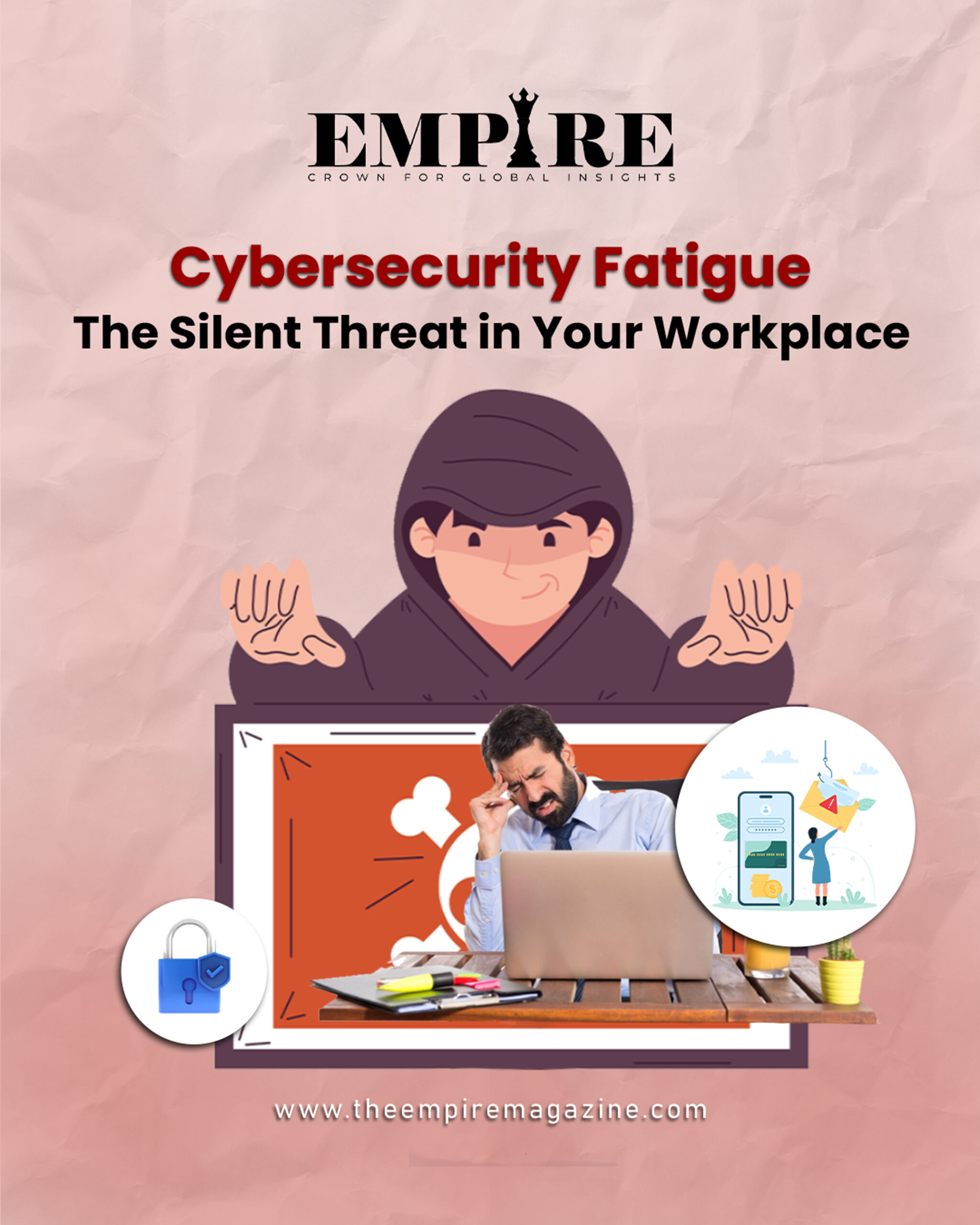
Cybersecurity fatigue is an invisible but highly destructive force spreading through modern corporate environments. Today, businesses pour millions of dollars into advanced security tools, compliance programs, and regular training. Yet, despite these massive investments, employees are increasingly tuning out. If you notice your colleagues reusing weak passwords, constantly clicking “remind me later” on vital software updates, or falling for basic phishing emails, your organization is likely suffering from this phenomenon.
In a digital era defined by relentless cyber threats, human error remains the leading cause of data breaches. However, employees do not ignore protocols because they are ignorant. They ignore them because they are overwhelmed. Understanding the root causes of this mental exhaustion is the first step toward building a more resilient, engaged workforce. To further explore how to align your internal team strategies for better overall performance, check out our comprehensive guide on improving organizational resilience.
What is Cybersecurity Fatigue?
Cybersecurity fatigue—sometimes simply called security fatigue—refers to the emotional exhaustion, frustration, and resignation people experience when subjected to continuous computer security demands. It is the result of cognitive overload.
Modern workers are expected to manage dozens of accounts with complex passwords, respond to continuous multi-factor authentication (MFA) prompts, read lengthy policy documents, and stay hyper-vigilant against sophisticated phishing attacks. Over time, this cumulative cognitive burden depletes an individual’s self-regulation capacity. Vigilance turns into apathy. Employees begin to view security not as a vital protective measure, but as an impossible, never-ending chore.
Why Employees Ignore Best Practices
To combat cybersecurity fatigue, leadership must first understand why employees bypass security measures even when they know better.
1. The Myth of the Untrained User Many organizations operate under the false assumption that human error happens purely due to a lack of knowledge. As a result, they force staff into more mandatory training sessions. However, knowledge alone does not dictate behavior. Human decisions are heavily influenced by the immediate context of their work environment.
2. Workplace Pressure and Productivity Demands The most common reason employees bypass security is the pressure to be productive. When an employee faces a tight deadline or receives an “urgent” request from a superior, speed becomes their primary focus. If a security protocol (like verifying an email source or logging into a VPN) slows them down, they will bypass it to get the job done.
3. Cognitive Overload and Alert Blindness The modern worker is bombarded with notifications from emails, collaboration platforms, and enterprise software. Adding a constant stream of security alerts to this mix leads to cognitive overload. When employees are overwhelmed, they rely on automatic responses, quickly clicking “allow” or “ignore” without actually reading the warning.
4. Usability Problems and Friction If security systems are clunky, difficult to use, or constantly failing, employees will actively look for workarounds. For example, overly complex password requirements frequently result in employees writing their credentials on sticky notes or reusing the same password with minor variations.
5. Psychological Biases Human decision-making is heavily influenced by cognitive biases. “Optimism bias” causes employees to believe that a cyberattack will happen to someone else, not them. “Authority bias” makes them blindly trust emails that appear to come from executives, which cybercriminals actively exploit in business email compromise attacks.
The High Cost of Doing Nothing
Allowing cybersecurity fatigue to fester is a massive financial risk. Studies show that over half of all data breaches are caused by the human element. The financial fallout from a single successful breach—stemming from one fatigued employee clicking a malicious link—can cost a company millions of dollars in recovery, legal fees, regulatory fines, and reputational damage.
Furthermore, a culture dominated by cumbersome security rules leads to general employee burnout. When people feel that the IT department is setting them up to fail, trust erodes, and job satisfaction plummets.
How to Re-Engage Employees and Combat Fatigue
Reversing cybersecurity fatigue requires a shift from enforcing rigid rules to designing human-centric security systems. Here is how organizations can effectively re-engage their teams.
1. Reduce Friction and Automate The most effective way to eliminate fatigue is to make secure behavior the easiest option. Implement Single Sign-On (SSO) and enterprise password managers so employees only have to remember one strong credential. Turn on automatic software updates in the background. By letting technology carry the heavy lifting, you preserve your employees’ mental energy for when it truly matters.
2. Revamp Your Training Programs Ditch the boring, jargon-filled annual slideshows. Transition to continuous, bite-sized learning (micro-learning). Use gamification, storytelling, and humor to make the content memorable. For instance, turn phishing simulations into a friendly departmental competition with leaderboards. When training is practical, relevant, and engaging, retention skyrockets.
3. Make Security Personally Relevant Abstract threats do not motivate people. Connect cybersecurity to their personal lives. Show employees how learning to spot phishing at work also protects their personal bank accounts and family data at home. When security becomes a vital life skill rather than just a corporate mandate, engagement naturally increases.
4. Foster a Blame-Free Culture Fear is a terrible motivator. If an employee accidentally clicks a malicious link, they must feel safe reporting it immediately. A punitive culture causes employees to hide their mistakes, giving cybercriminals more time to infiltrate your network. Cultivate an environment where reporting a mistake is praised as a proactive step toward protecting the company.
Conclusion
Cybersecurity fatigue is a complex behavioral challenge, but it is entirely solvable. By designing security around human psychology, reducing technological friction, and fostering a supportive, educational culture, you can transform your workforce from a security liability into your strongest line of defense.
Connect with us for more insights:
- Instagram: Follow us on Instagram
- Facebook: Join our Facebook Community
- Website: www.theempiremagazine.com
– The Empire Magazine
Crown For Global Insights