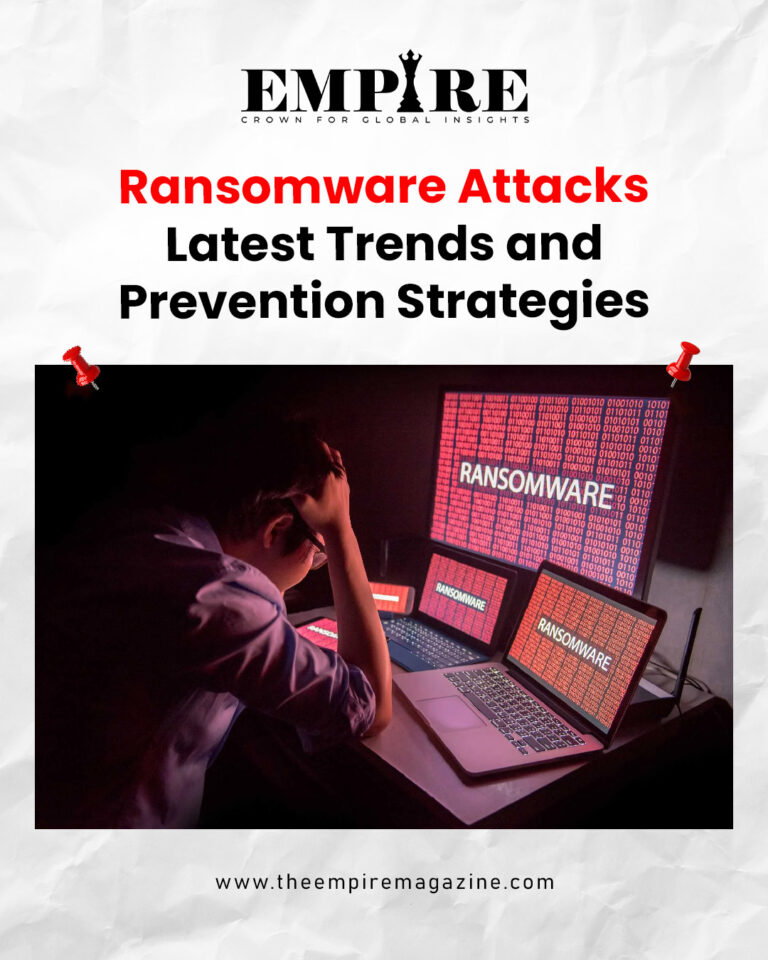

The phrase Rockstar Games hack again has once more captured global attention, as one of the world’s most influential gaming companies faces another cybersecurity breach. While the company has attempted to reassure users and stakeholders by downplaying the impact, the incident highlights deeper concerns about digital security, third-party vulnerabilities, and the evolving sophistication of cybercriminal groups.
A New Breach Raises Familiar Concerns
The latest Rockstar Games hack again incident reportedly involved unauthorized access to company systems through a third-party cloud service. Hackers claimed responsibility for the breach and threatened to release stolen data unless a ransom was paid. However, Rockstar Games responded quickly, stating that the breach involved only a limited amount of non-sensitive internal information and had no impact on players or core operations .
This reassurance may calm some concerns, but the situation still underscores a recurring issue: even the most technologically advanced companies are not immune to cyberattacks.
The Role of Third-Party Vulnerabilities
One of the most critical aspects of the Rockstar Games hack again event is how the breach occurred. Instead of directly attacking Rockstar’s primary systems, hackers exploited a third-party integration tool connected to the company’s cloud infrastructure.
This method reflects a growing trend in cybersecurity. Modern businesses rely heavily on external tools for analytics, cloud management, and operational efficiency. While these tools enhance productivity, they also introduce additional points of vulnerability. If one link in the chain is compromised, the entire system can be exposed.
The lesson here is clear: cybersecurity is no longer just about protecting internal systems—it is about securing every external connection.
Hackers and Their Strategy
The group behind the breach reportedly used data access to issue a ransom demand, threatening to leak internal company documents if their demands were not met. This approach, often referred to as “data extortion,” has become increasingly common in recent years.
Unlike traditional cyberattacks that aim to disrupt systems, modern hackers focus on extracting valuable data and leveraging it for financial gain. The Rockstar Games hack again case reflects this shift, where the goal is not destruction but control and monetization of information.
Authorities and cybersecurity experts generally advise companies not to pay such ransoms, as doing so encourages further criminal activity without guaranteeing data protection.
Rockstar’s Response and Damage Control
Rockstar Games has taken a firm stance in its response, emphasizing that:
- No player data was compromised
- No sensitive game content was affected
- Core operations remain unaffected
By minimizing the perceived impact, Rockstar aims to maintain user trust and protect its brand reputation. This is especially important given the company’s position in the gaming industry and the anticipation surrounding its upcoming releases.
However, even if the technical damage is limited, reputational risks remain significant. Repeated breaches can erode confidence among users, investors, and partners.
A Pattern of Cybersecurity Challenges
This is not the first time the company has faced such issues. Previous incidents included major leaks involving early game footage and internal data, which disrupted marketing strategies and forced early releases of promotional content.
The recurrence of these incidents makes Rockstar Games hack again more than just an isolated event—it signals an ongoing challenge in maintaining digital security in a highly connected environment.
Each breach adds pressure on the company to strengthen its defenses and reassess its cybersecurity framework.
Impact on the Gaming Industry
The Rockstar Games hack again incident is not just about one company—it reflects broader challenges within the gaming and technology industries. Gaming companies handle massive amounts of data, including:
- User information
- Payment details
- Proprietary game development assets
- Marketing and business strategies
As a result, they are prime targets for cybercriminals. The increasing frequency of such attacks suggests that the industry must invest more heavily in cybersecurity measures.
Key Lessons for Businesses
The latest Rockstar Games hack again case offers valuable lessons for organizations across industries:
1. Strengthen Third-Party Security
Companies must carefully evaluate and monitor the security of external tools and partners.
2. Limit Data Access
Restricting permissions and access levels can reduce the risk of large-scale breaches.
3. Prepare for Crisis Management
Having a clear response strategy helps minimize damage and maintain public trust.
4. Invest in Cybersecurity Infrastructure
Advanced monitoring, encryption, and threat detection systems are essential in today’s digital landscape.
The Future of Cybersecurity in Gaming
As technology evolves, so do cyber threats. The Rockstar Games hack again incident highlights the need for continuous innovation in cybersecurity. Companies must stay ahead of attackers by adopting proactive strategies rather than reactive measures.
This includes:
- AI-driven threat detection
- Real-time monitoring systems
- Stronger encryption protocols
- Regular security audits
The future of gaming depends not only on innovation in gameplay but also on the ability to protect digital assets and user trust.
For more insights on technology and global trends, visit:
https://theempiremagazine.com/?p=5979
Stay connected with us:
Instagram: https://www.instagram.com/the_empire_magazine/
Facebook: https://www.facebook.com/profile.php?id=61573749076160
– The Empire Magazine
Crown For Global Insights