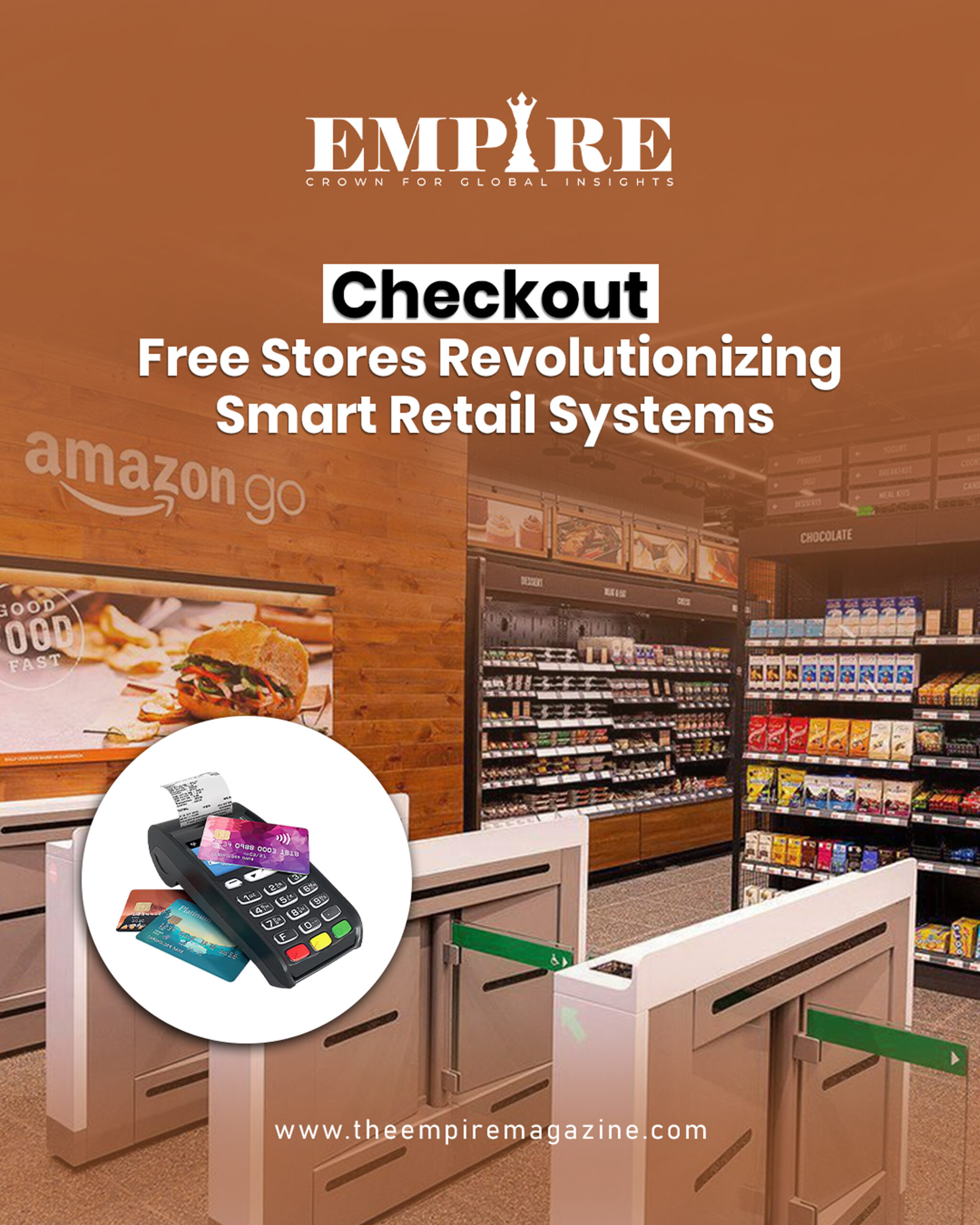
The rise of checkout-free stores and smart retail systems is reshaping how consumers interact with physical stores. In a world where speed, convenience, and personalization define customer expectations, traditional checkout counters are quickly becoming outdated. Today, advanced technologies such as artificial intelligence, Internet of Things (IoT), machine learning, and computer vision are enabling a new era of frictionless shopping—where customers can simply walk in, pick up items, and leave without waiting in line.
This transformation is not just about eliminating queues; it represents a complete reimagination of retail experiences. Checkout-free stores and smart retail systems are becoming a cornerstone of modern commerce, blending technology with convenience to create a seamless and efficient shopping journey.
What Are Checkout-Free Stores?
Checkout-free stores, also known as cashier-less or frictionless retail environments, allow customers to shop without traditional billing counters. Instead of scanning items manually or interacting with a cashier, the entire purchasing process is automated using advanced technology.
Customers typically enter the store using a mobile app or digital identity. As they pick up products, sensors, cameras, and smart systems track their selections in real time. When they exit the store, the total amount is automatically calculated and charged to their linked payment method.
This innovative model eliminates one of the biggest pain points in retail—waiting in line—making shopping faster and more efficient.
The Technology Behind Smart Retail Systems
The success of checkout-free stores lies in a powerful combination of technologies working seamlessly together. These systems rely on multiple components that ensure accuracy, speed, and security.
1. Computer Vision and AI
AI-powered cameras track customer movements and identify products. These systems analyze images and recognize items, ensuring that every product added or removed from a cart is recorded accurately.
2. IoT Sensors and RFID
IoT devices, including sensors and RFID tags, monitor product interactions in real time. They help track inventory levels, customer behavior, and product movement across the store.
3. Smart Carts and Baskets
Smart baskets act as digital shopping assistants. They detect items placed inside, calculate totals instantly, and even provide personalized recommendations during the shopping journey.
4. Automated Payment Systems
Once customers leave the store, the system processes payments automatically. Digital receipts are sent instantly, completing the transaction without any manual input.
Together, these technologies create a seamless ecosystem that redefines retail efficiency and customer satisfaction.
How Smart Retail Systems Enhance Customer Experience
One of the biggest advantages of checkout-free stores is the enhanced shopping experience they offer. Modern consumers value time, and these systems are designed to minimize friction at every step.
Faster Shopping
Customers no longer need to wait in long queues or scan items individually. The entire process is streamlined, allowing them to shop quickly and efficiently.
Personalized Experiences
Smart systems analyze customer behavior and preferences to offer tailored recommendations. This creates a more engaging and customized shopping journey.
Convenience and Flexibility
With mobile integration and automated billing, customers enjoy a hassle-free experience. They can shop anytime without worrying about checkout delays.
Transparency
Real-time price tracking and digital receipts provide clarity, ensuring customers always know what they are paying for.
Benefits for Retailers
While customers enjoy convenience, retailers gain significant operational advantages from adopting smart retail systems.
Reduced Operational Costs
By eliminating the need for traditional checkout staff, retailers can reduce labor costs and reallocate resources to other areas such as customer service and inventory management.
Improved Inventory Management
IoT-enabled systems provide real-time insights into stock levels, helping retailers maintain optimal inventory and avoid shortages or overstocking.
Data-Driven Decision Making
Retailers gain access to valuable data on customer behavior, product popularity, and store performance. This information helps optimize product placement, pricing strategies, and marketing campaigns.
Increased Efficiency
Checkout-free systems improve store flow, reduce congestion, and allow more customers to shop simultaneously, boosting overall sales.
Real-World Applications of Checkout-Free Technology
Checkout-free stores are no longer experimental—they are being implemented across various industries and environments.
Supermarkets and Convenience Stores
Retailers are adopting cashier-less systems to improve efficiency and handle high customer volumes.
Airports and Transit Hubs
Travelers can quickly purchase items without waiting, enhancing their overall experience.
Stadiums and Entertainment Venues
Fans can grab food or merchandise without missing events, making purchases more convenient.
Hotels and Restaurants
Automated checkout systems streamline payments and improve guest experiences.
Pharmacies and Healthcare Retail
Customers can quickly buy essential products without delays, especially in urgent situations.
These applications demonstrate the versatility and scalability of smart retail systems across different sectors.
Challenges and Considerations
Despite its advantages, checkout-free technology comes with challenges that businesses must address.
Privacy Concerns
The use of cameras and data tracking raises concerns about customer privacy. Retailers must implement strong data protection measures.
High Initial Investment
Setting up smart retail systems requires significant investment in hardware, software, and infrastructure.
Technical Complexity
Maintaining and managing advanced systems requires expertise and continuous updates.
Customer Adaptation
Some customers may take time to adapt to new shopping methods, requiring education and support.
Addressing these challenges is essential for successful implementation and long-term growth.
The Future of Smart Retail
The future of checkout-free stores and smart retail systems looks promising. As technology continues to evolve, these systems are expected to become more advanced, accessible, and widespread.
Key trends shaping the future include:
- Expansion of cashier-less stores across industries
- Integration with mobile apps and digital wallets
- Growth of AI-driven personalization
- Adoption of ambient computing and smart environments
- Enhanced security and data privacy solutions
As these innovations continue to develop, the retail landscape will become more intelligent, efficient, and customer-centric.
For more insights, visit:
https://theempiremagazine.com/?p=6022
Stay connected with us:
Instagram: https://www.instagram.com/the_empire_magazine/
Facebook: https://www.facebook.com/profile.php?id=61573749076160
– The Empire Magazine
Crown For Global Insights