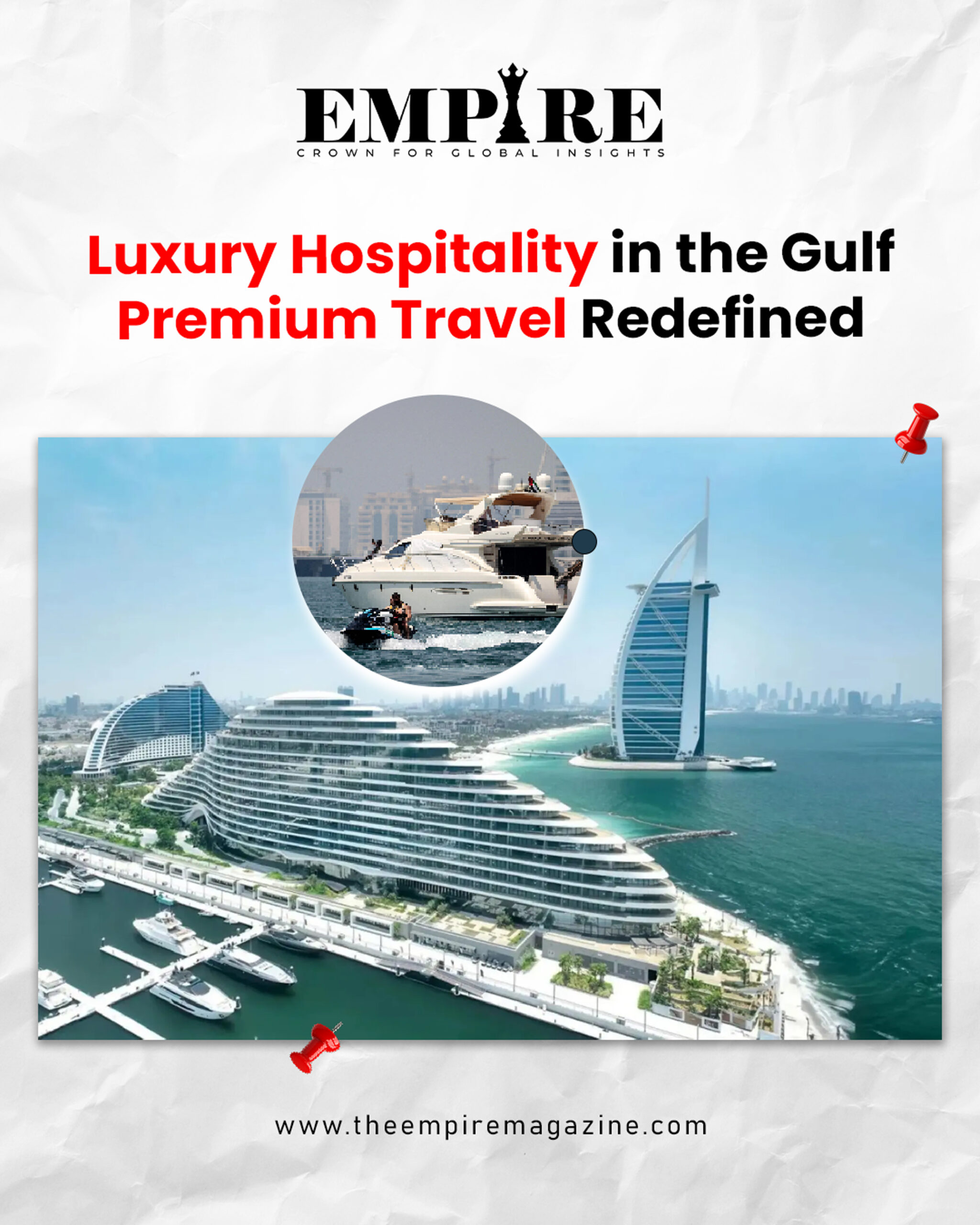
Luxury Hospitality in the Gulf Is Redefining Premium Travel
Luxury Hospitality in the Gulf has become one of the strongest growth stories in global travel. Qatar, the United Arab Emirates, and Saudi Arabia are investing heavily in premium hotels, cultural attractions, aviation, sports tourism, destination branding, and high-end guest experiences. These countries are no longer seen only as stopover destinations or oil-rich economies. They are building tourism ecosystems designed for international travelers, luxury consumers, business visitors, families, and event-driven tourism.
The Gulf’s hospitality model is based on scale, service, architecture, culture, and experience. Luxury travel in the region includes five-star resorts, private beach destinations, desert retreats, heritage hotels, ultra-modern airports, fine dining, wellness tourism, shopping districts, international events, and cultural landmarks. This combination has helped the Gulf become one of the most competitive premium travel regions in the world.
Why the Gulf Is Becoming a Luxury Travel Hub
Qatar, the UAE, and Saudi Arabia are using tourism as part of wider economic diversification strategies. These countries are investing in hospitality because travel supports jobs, aviation, retail, real estate, entertainment, food and beverage, and global brand positioning.
Government Strategy and Tourism Investment
The UAE has long used tourism as a major economic pillar, especially through Dubai and Abu Dhabi. Dubai welcomed 19.59 million international overnight visitors in 2025, showing the strength of its global tourism appeal. Qatar recorded 5.1 million visitor arrivals in 2025, supported by events, aviation connectivity, and destination marketing. Saudi Arabia is building tourism as a central part of Vision 2030, with major projects across the Red Sea, Diriyah, AlUla, Jeddah, Riyadh, and the holy cities of Makkah and Madinah.
These figures show that luxury hospitality is not developing randomly. It is connected to national strategies, infrastructure investment, and long-term economic planning.
Qatar: Premium Hospitality Through Culture and Events
Qatar has strengthened its tourism profile through luxury hotels, museums, sports events, cruise tourism, and aviation connectivity. The country gained global visibility during the FIFA World Cup 2022, but its tourism strategy continues beyond that event.
Doha has developed as a premium city destination with high-end hotels, waterfront districts, cultural institutions, and shopping destinations. Areas such as Msheireb Downtown Doha, The Pearl-Qatar, Lusail, Souq Waqif, and West Bay are part of the country’s visitor experience.
Qatar’s Luxury Positioning
Qatar’s luxury hospitality is connected to service quality, cultural presentation, and controlled premium development. The country focuses on experiences that combine modern architecture with local heritage. Museums, art spaces, traditional markets, desert experiences, and luxury hotels help position Qatar as a refined destination for premium travelers.
Qatar Airways also supports the country’s tourism model by connecting Doha with major global cities. Strong aviation links are important because premium travelers often choose destinations based on convenience, service, and international access.
UAE: Dubai and Abu Dhabi Lead Premium Travel
The United Arab Emirates is one of the most advanced hospitality markets in the Gulf. Dubai is known globally for luxury hotels, shopping festivals, beach resorts, business events, fine dining, and entertainment. Abu Dhabi is building a luxury identity around culture, islands, museums, family attractions, and curated experiences.
Dubai’s hotel sector benefits from high international visibility and strong infrastructure. The city combines luxury with accessibility, offering everything from ultra-luxury resorts to business hotels, serviced apartments, and premium lifestyle brands.
Dubai’s Luxury Hospitality Model
Dubai’s hospitality model is based on ambition, global branding, and experience-driven tourism. The city has iconic hotels, luxury retail, beach clubs, Michelin-recognized dining, international exhibitions, and entertainment venues. Its airport connectivity also makes it a major gateway for global travelers.
Luxury in Dubai is not limited to accommodation. It includes shopping, dining, nightlife, yacht experiences, desert safaris, wellness resorts, and event tourism. This wider ecosystem makes the city attractive for both leisure and business travelers.
Abu Dhabi’s Cultural Luxury Strategy
Abu Dhabi is building a premium travel identity through culture and curated experiences. Louvre Abu Dhabi, Saadiyat Island, Qasr Al Watan, Yas Island, and luxury resort developments help the emirate attract high-value visitors.
Unlike Dubai’s fast-paced global tourism image, Abu Dhabi often emphasizes cultural depth, family travel, art, heritage, and calm luxury. This gives the UAE a wider hospitality portfolio, with Dubai and Abu Dhabi offering different premium travel experiences.
Saudi Arabia: Vision 2030 and the Rise of Luxury Tourism
Saudi Arabia is one of the most ambitious tourism markets in the world. Under Vision 2030, the Kingdom is working to diversify its economy and attract international visitors through heritage, religious tourism, entertainment, nature, luxury resorts, and mega-projects.
Projects such as The Red Sea, Diriyah, AlUla, NEOM, Qiddiya, and Jeddah’s Al-Balad restoration are part of this transformation. These developments are designed to create new tourism destinations that combine culture, nature, hospitality, and premium experiences.
The Red Sea and Ultra-Luxury Resorts
The Red Sea project is one of Saudi Arabia’s most important luxury hospitality developments. It focuses on island resorts, marine tourism, sustainability, wellness, and high-end experiences. The destination is designed to attract premium travelers looking for privacy, nature, and exclusive service.
Saudi Arabia is also expanding hospitality around Makkah and Madinah to serve religious tourism. This includes hotel growth, transport improvements, and services for millions of pilgrims.
Sports, Events, and Entertainment Are Driving Demand
Sports and events are major drivers of premium travel in the Gulf. Formula 1 races, football tournaments, boxing events, tennis, golf, art fairs, business conferences, music festivals, and luxury brand events are bringing international visitors to the region.
Event Tourism and Premium Hospitality
Event tourism creates demand for five-star hotels, private lounges, luxury transport, fine dining, and exclusive experiences. Qatar, the UAE, and Saudi Arabia all use major events to strengthen destination visibility and increase hospitality revenue.
For luxury travelers, major events turn a destination into a lifestyle experience. Guests may travel for a race, match, exhibition, or concert, but also spend on hotels, restaurants, shopping, wellness, and cultural activities.
The Role of Aviation and Infrastructure
Luxury hospitality depends heavily on infrastructure. The Gulf has invested in world-class airports, airlines, roads, ports, metro systems, and urban development. Qatar Airways, Emirates, Etihad Airways, flydubai, Saudia, and Riyadh Air are important parts of the region’s travel ecosystem.
Airports as Luxury Gateways
Modern airports in Doha, Dubai, Abu Dhabi, Riyadh, and Jeddah support premium travel by offering business lounges, luxury retail, fast connections, and international access. For high-end travelers, the journey often begins before arrival at the hotel, and Gulf airports are designed to support that premium experience.
Sustainability and Cultural Authenticity
Luxury travel is changing. High-end travelers are increasingly interested in sustainability, privacy, wellness, nature, and cultural authenticity. Gulf countries are responding by developing desert resorts, heritage districts, eco-conscious islands, and wellness destinations.
Beyond Traditional Luxury
Premium travel is no longer only about large hotels and expensive rooms. It is also about meaningful experiences. In the Gulf, this includes desert landscapes, traditional architecture, local cuisine, Islamic art, archaeological sites, waterfront districts, and restored heritage areas.
This shift helps the region compete with established luxury destinations in Europe, the Maldives, and Southeast Asia
For more luxury, business, and global travel insights, read this feature on The Empire Magazine.
Follow The Empire Magazine on Instagram and Facebook.
– The Empire Magazine
Crown For Global Insight