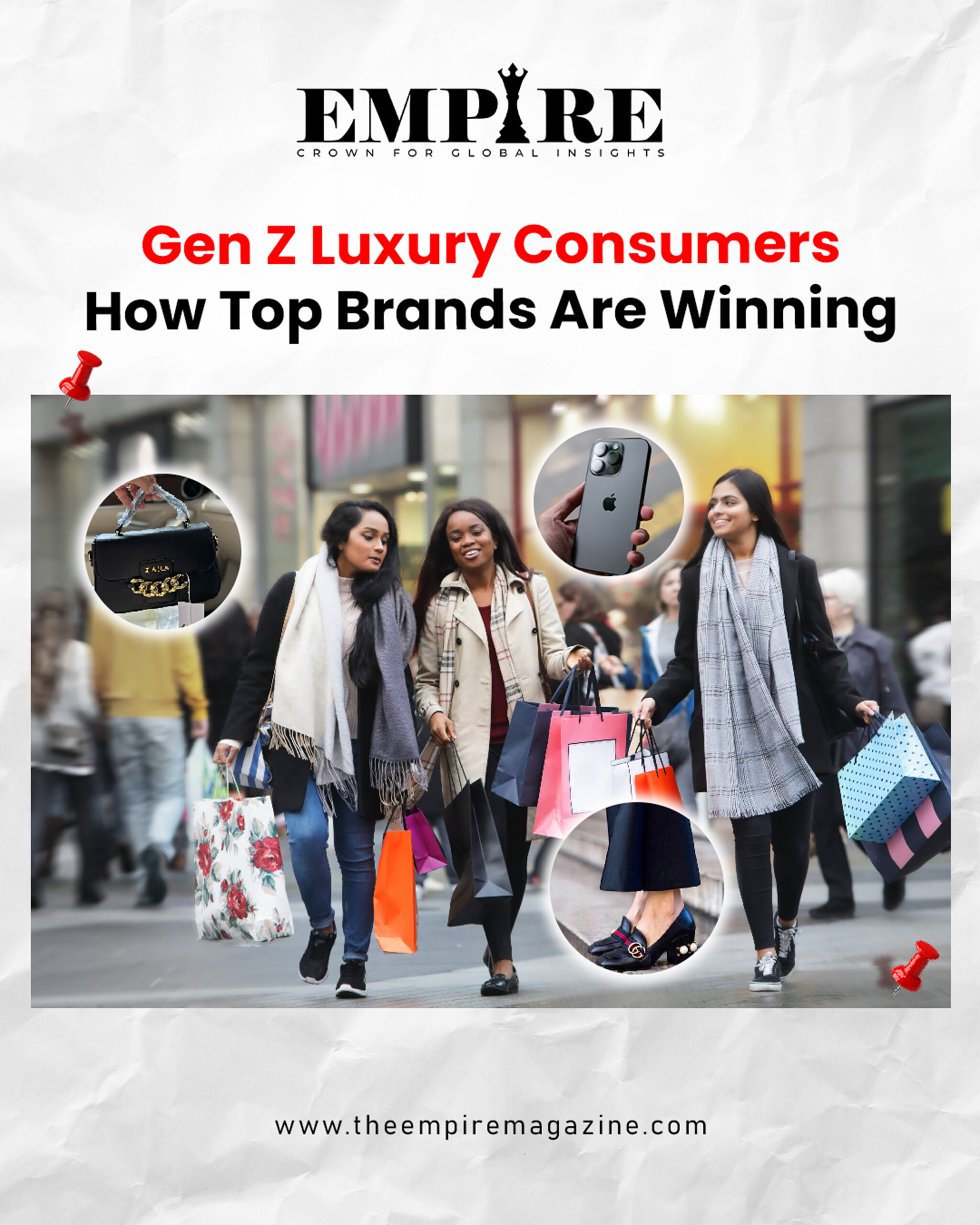
Gen Z Luxury Consumers Are Changing the Luxury Market
Gen Z Luxury Consumers are reshaping how global luxury brands such as Louis Vuitton, Gucci, and Dior build relevance, sell products, and communicate with younger audiences. Luxury fashion was once built mainly around heritage, exclusivity, craftsmanship, flagship stores, and high-status advertising. These values are still important, but younger consumers now expect more than a luxury logo.
Gen Z buyers are digital-first, culture-aware, highly visual, and strongly influenced by social media, celebrities, music, gaming, streetwear, resale, sustainability, and brand values. They often discover luxury through Instagram, TikTok, YouTube, fashion influencers, K-pop stars, athletes, gaming platforms, and online communities.
This shift matters because Gen Z is becoming a larger force in global luxury spending. Reuters reported that Gen Z accounted for around 4% of global luxury spending before the pandemic and could account for 25% by 2030, according to Boston Consulting Group.
Why Luxury Brands Are Focusing on Gen Z
Luxury companies are paying close attention to Gen Z because younger consumers influence both present and future demand. Even when Gen Z consumers are not buying the most expensive handbags, watches, or couture pieces, they shape culture through online conversations, viral content, trend cycles, and brand visibility.
The Next Generation of Luxury Buyers
Gen Z is expected to become more important as incomes rise over time. Luxury brands understand that building brand familiarity early can support long-term customer relationships. A young consumer may first buy fragrance, sneakers, sunglasses, small leather goods, or beauty products before later purchasing higher-value fashion items.
This is why Louis Vuitton, Gucci, and Dior focus on entry-level luxury categories, digital campaigns, celebrity partnerships, and creative storytelling. These strategies help brands remain aspirational while still offering accessible touchpoints.
Louis Vuitton: Culture, Collaboration, and Experience
Louis Vuitton has built strong appeal among younger consumers by combining heritage with contemporary culture. The brand is part of LVMH, the world’s largest luxury group, and remains one of the most powerful names in fashion and leather goods. LVMH reported that Louis Vuitton continued to show powerful creativity through iconic products and unique in-store experiences in 2025.
Pharrell Williams and Youth Culture
Louis Vuitton’s appointment of Pharrell Williams as men’s creative director was a major cultural move. Pharrell connects fashion with music, streetwear, celebrity culture, and global youth audiences. His role helped Louis Vuitton speak to younger consumers through a mix of luxury craftsmanship and popular culture.
Louis Vuitton also uses major fashion shows, celebrity guests, travel-inspired storytelling, and high-visibility campaigns to create cultural moments. These moments are designed for both physical audiences and digital sharing.
Product Strategy for Younger Consumers
Louis Vuitton reaches Gen Z through sneakers, bags, small leather goods, fragrances, accessories, and limited-edition collaborations. These categories allow younger luxury consumers to enter the brand without starting at the highest price points.
The brand also benefits from strong visual identity. Its monogram, trunks, bags, and travel heritage remain instantly recognizable, which supports social media visibility and brand recall.
Gucci: Digital Culture, Gaming, and Creative Identity
Gucci has been one of the most active luxury brands in digital culture. The brand has used gaming, virtual fashion, social media, and bold creative campaigns to reach younger consumers. Earlier luxury research and reporting identified Gucci as one of the most desired luxury brands among Gen Z consumers in Western Europe, with its gaming and Web3 strategy helping it connect with younger audiences.
Gaming and Virtual Fashion
Gucci has experimented with digital fashion and gaming platforms, including collaborations and experiences connected to virtual worlds. These moves are important because Gen Z consumers often see digital identity as part of personal style.
For younger audiences, fashion is not only what they wear physically. It can also be how they present themselves online through avatars, gaming skins, social media posts, and digital communities.
Creative Reinvention
Gucci’s appeal to Gen Z has also come from its willingness to reinvent itself. The brand has moved through different creative phases, from maximalist visual identity to more refined luxury direction. This ability to shift helps Gucci stay part of fashion conversation.
However, Gucci has also faced business challenges in recent years as luxury demand slowed in some markets and the brand worked through creative and commercial transitions. This shows that winning Gen Z requires more than online visibility. Brands must balance trend relevance with product strength, pricing discipline, and brand consistency.
Dior: Celebrity Influence, Beauty, and Global Storytelling
Dior has become especially powerful with younger luxury audiences through beauty, fashion, celebrity ambassadors, and global campaigns. As part of LVMH, Dior benefits from strong brand heritage and broad product categories, including couture, ready-to-wear, leather goods, fragrance, skincare, and makeup.
Beauty as a Gen Z Entry Point
Beauty is one of Dior’s strongest entry points for Gen Z. Fragrances, makeup, skincare, and beauty campaigns allow younger consumers to connect with the brand at more accessible price levels than couture or handbags.
Dior’s beauty products are highly visible on social media, especially through influencer content, tutorials, celebrity campaigns, and short-form video platforms. This gives the brand a daily presence in Gen Z culture.
K-Pop, Global Ambassadors, and Cultural Reach
Dior has used global ambassadors and celebrity partnerships to reach younger consumers across regions. K-pop stars, actors, models, and musicians help Dior connect with Gen Z audiences in Asia, Europe, the Middle East, and the Americas.
Celebrity influence matters because Gen Z often discovers luxury through people they follow online. A campaign featuring a globally recognized artist can travel across platforms faster than traditional advertising.
Social Media Is the New Luxury Storefront
For Gen Z, social media is often the first point of contact with a luxury brand. Instagram, TikTok, YouTube Shorts, Pinterest, and creator-led platforms shape how younger consumers discover collections, campaigns, beauty launches, styling ideas, and brand stories.
Visual Storytelling Drives Desire
Luxury brands use visual storytelling to create desire before purchase. A runway clip, behind-the-scenes video, celebrity look, unboxing post, or campaign image can reach millions of young viewers within hours.
This digital visibility matters because Gen Z consumers often research, compare, and discuss luxury online before entering a store. Brands that create shareable and culturally relevant content have stronger influence in this environment.
Why Experience Matters More Than Logos Alone
Gen Z luxury consumers are not only buying products. They are buying identity, community, emotion, and experience. Luxury brands are responding with pop-ups, immersive events, private previews, fashion shows, digital campaigns, and cultural collaborations.
Stores as Brand Experiences
Luxury stores are becoming experience spaces. Louis Vuitton, Gucci, and Dior use flagship stores, exhibitions, cafés, beauty spaces, and art-led installations to strengthen customer engagement.
This is important because physical retail still matters in luxury. Even digital-first consumers value premium service, product quality, store design, and exclusive experiences.
The Role of Sustainability and Values
Gen Z consumers often pay attention to sustainability, transparency, diversity, and responsible business practices. Luxury brands are responding with sustainability reports, circular fashion initiatives, product traceability, resale partnerships, and responsible sourcing programs.
Resale and Circular Luxury
The luxury resale market is also relevant to Gen Z because it offers access to heritage products, rare pieces, and lower entry prices. Younger consumers may buy pre-owned luxury as a way to participate in luxury culture while also supporting circular consumption.
For brands, resale creates both opportunity and challenge. It extends product life and strengthens heritage value, but it also requires brands to protect authenticity and control brand perception.
Challenges in Winning Gen Z Luxury Consumers
Winning Gen Z is not easy. Bain & Company and Altagamma reported that global luxury spending across segments was broadly flat in 2025, reflecting economic pressure and changing consumer behavior.
Younger consumers are highly selective. They expect authenticity, creativity, cultural relevance, and value. They can reject brands that appear disconnected, overpriced, repetitive, or too focused on status without meaning.
Balancing Heritage and Modern Culture
Louis Vuitton, Gucci, and Dior must balance heritage with modern relevance. Too much tradition can feel distant to young audiences. Too much trend-chasing can weaken luxury identity. The strongest luxury brands use heritage as a foundation while adapting communication, product design, and experiences for the next generation.
For more luxury and business insights, read this feature on The Empire Magazine.
Follow The Empire Magazine on Instagram and Facebook.
– The Empire Magazine
Crown For Global Insights