
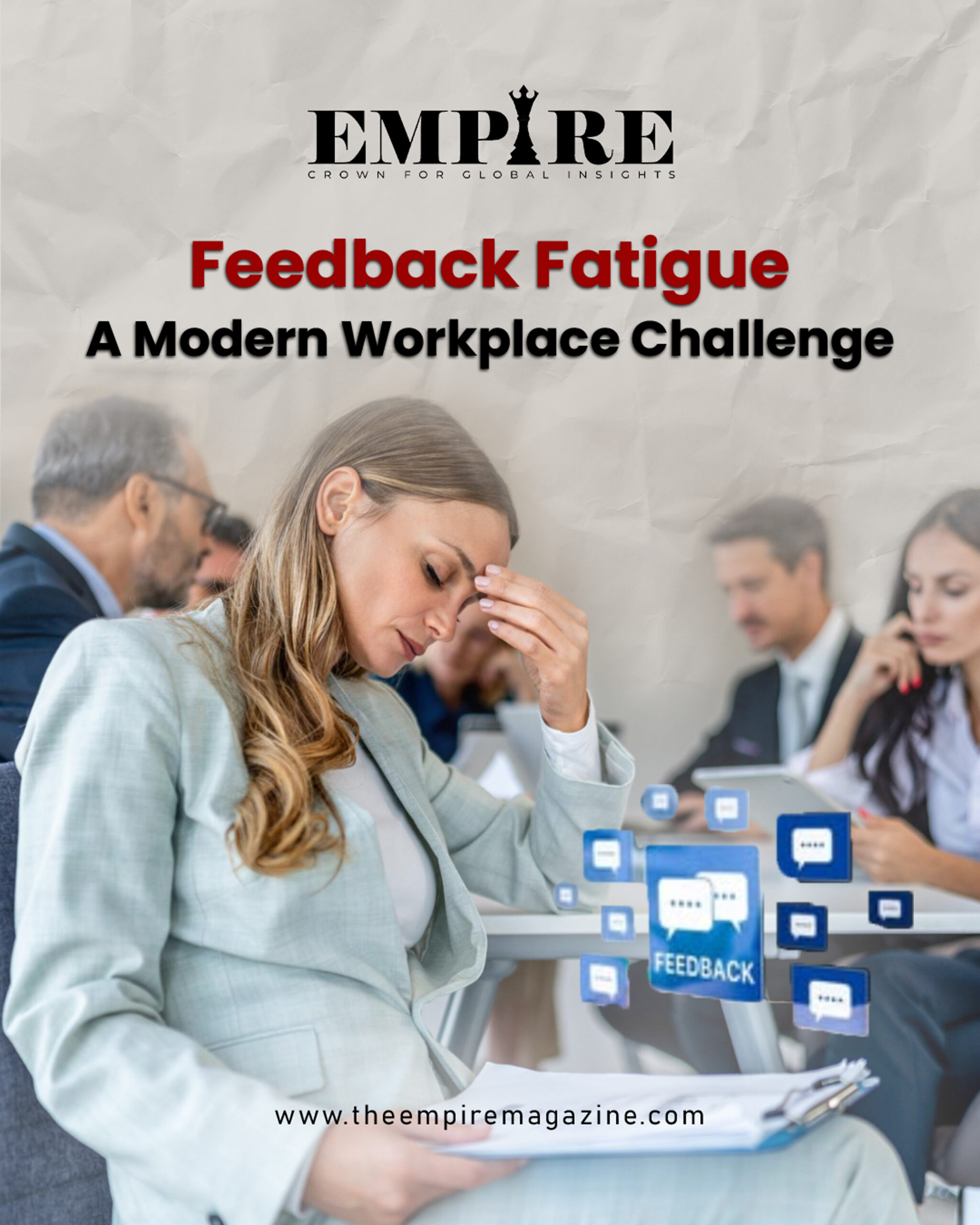
Feedback fatigue is a growing challenge in today’s modern workplace. In recent years, continuous feedback has largely replaced the traditional, often-dreaded annual performance review. Organizations encourage managers to provide frequent, real-time guidance to their teams. In theory, this is a fantastic shift: timely praise and immediate course corrections boost engagement, improve performance, and prevent minor issues from snowballing.
However, continuous feedback can quickly become a double-edged sword. When evaluations are overdone, poorly delivered, or relentlessly negative, employees can experience a phenomenon known as feedback fatigue. To harness the immense benefits of ongoing performance management without burning out your team, HR professionals and business leaders must understand how to keep these conversations meaningful, focused, and supportive.
Understanding Feedback Fatigue
Feedback fatigue occurs when an individual becomes mentally and emotionally drained from receiving too much evaluation. It manifests as a sense of exhaustion and disengagement. When an employee is subjected to a constant barrage of critiques—even if well-intentioned—they can begin to feel like they are constantly under a microscope.
Humans have a fundamental need to grow and develop, but we also have a deep psychological need to be accepted as we are. When the balance tips too far toward constant evaluation, people shut down.
Common Signs of the Fatigue
- Paralysis and Second-Guessing: Employees may become unsure of their own judgment, constantly looking over their shoulder for approval before making minor decisions.
- Emotional Depletion: A feeling of learned helplessness settles in. The employee feels that no matter how hard they try, it will never be good enough.
- Immunity to Positive Feedback: Eventually, employees become cynical. Even when they receive genuine praise, they struggle to internalize it because they are anticipating the next critique.
- Physical Symptoms: The stress of constant scrutiny can lead to sleep issues, headaches, and tension.
What Causes This Exhaustion?
Even with the best intentions, performance management initiatives can run off the rails. Several common missteps lead to an overwhelmed workforce:
1. Overly Frequent Sessions If employees are pulled into formal feedback meetings every few days, it simply becomes information overload. Meaningful change takes time. When feedback is delivered relentlessly without any breathing room, employees cannot process or implement the advice before the next round of critiques begins.
2. A Strictly Negative Tone Continuous feedback should not be continuous criticism. If a manager primarily uses these check-ins to point out mistakes, employees will quickly dread the conversations. Nobody enjoys hearing only about what they did wrong.
3. Micromanagement in Disguise Sometimes, what is labeled as “continuous feedback” is actually just micromanagement. If a leader hovers and gives input on every tiny daily task, employees feel stifled and robbed of their autonomy.
4. Vague and Unfocused Critiques Feedback must be tied to clear, overarching goals. Receiving a laundry list of unrelated, nitpicky suggestions confuses employees. Without a clear priority, the feedback feels like arbitrary complaining rather than constructive coaching.
The Impact on Team Dynamics and Company Growth
When feedback fatigue sets in, the fallout affects individuals, teams, and the entire organization’s bottom line. Instead of feeling empowered, fatigued employees actively disengage. They do the bare minimum to avoid drawing attention. The constant stream of critiques chips away at their intrinsic motivation, leading to severe burnout.
Furthermore, this dynamic severely damages the manager-employee relationship. Trust frays on both sides. Employees view their managers as impossible to please, while managers become frustrated that their team is not responding to their “helpful” coaching. Ultimately, top performers will seek healthier, more supportive environments, leading to high turnover and a loss of institutional knowledge.
Strategies to Keep Continuous Feedback Meaningful
Avoiding feedback fatigue does not mean you should abandon your continuous feedback model. Instead, it requires implementing it in a smart, empathetic, and human-centered way.
Prioritize Quality Over Quantity The golden rule is to emphasize the quality of your feedback over the sheer volume. It is far more effective to have one truly constructive conversation a week than five superficial, nitpicky ones. Pick your battles. If an issue is minor and will likely resolve on its own, it does not require a formal feedback session.
Implement the 5-to-1 Rule Balance constructive criticism with genuine positivity. Research suggests that it takes five positive interactions to offset the emotional weight of one negative interaction. Make it a daily habit to recognize what your employees are doing right. Genuine praise builds the confidence and psychological safety necessary for employees to accept constructive criticism later.
Set Clear Objectives Tie your feedback to specific goals or competencies. Before ramping up any feedback program, ensure both managers and employees understand the why. When each conversation has a clear focus—such as improving client communication or celebrating a recent milestone—it feels purposeful rather than random. For more insights into aligning team goals and improving leadership communication, explore our comprehensive guide on building sustainable organizational momentum.
Make It a Two-Way Dialogue Feedback should never be a monologue where the employee just nods and moves on. Encourage your team members to speak up, clarify expectations, and share their perspectives. Ask questions like, “How do you feel about your progress?” or “What do you need from me to help you succeed?” When feedback is a two-way street, it feels like collaboration rather than judgment.
Personalize Your Approach Everyone has a different threshold for criticism. Some employees bounce back quickly, while others require more time to rebuild their confidence. Get to know your team members’ preferences. Tailor your delivery style and frequency to meet them where they are.
Fostering a Healthier Workplace
Continuous feedback is an incredibly powerful tool for improvement when executed correctly. It can fuel performance, agility, and engagement. However, more feedback is not automatically better—better feedback is better.
By prioritizing empathy, focusing on actionable goals, and balancing critiques with sincere praise, leaders can prevent feedback fatigue. When you treat continuous feedback as a genuine conversation aimed at helping everyone succeed, you build a resilient, motivated, and highly effective workforce.
Connect with us for more insights:
- Instagram: Follow us on Instagram
- Facebook: Join our Facebook Community
- Website: www.theempiremagazine.com
– The Empire Magazine
Crown For Global Insights