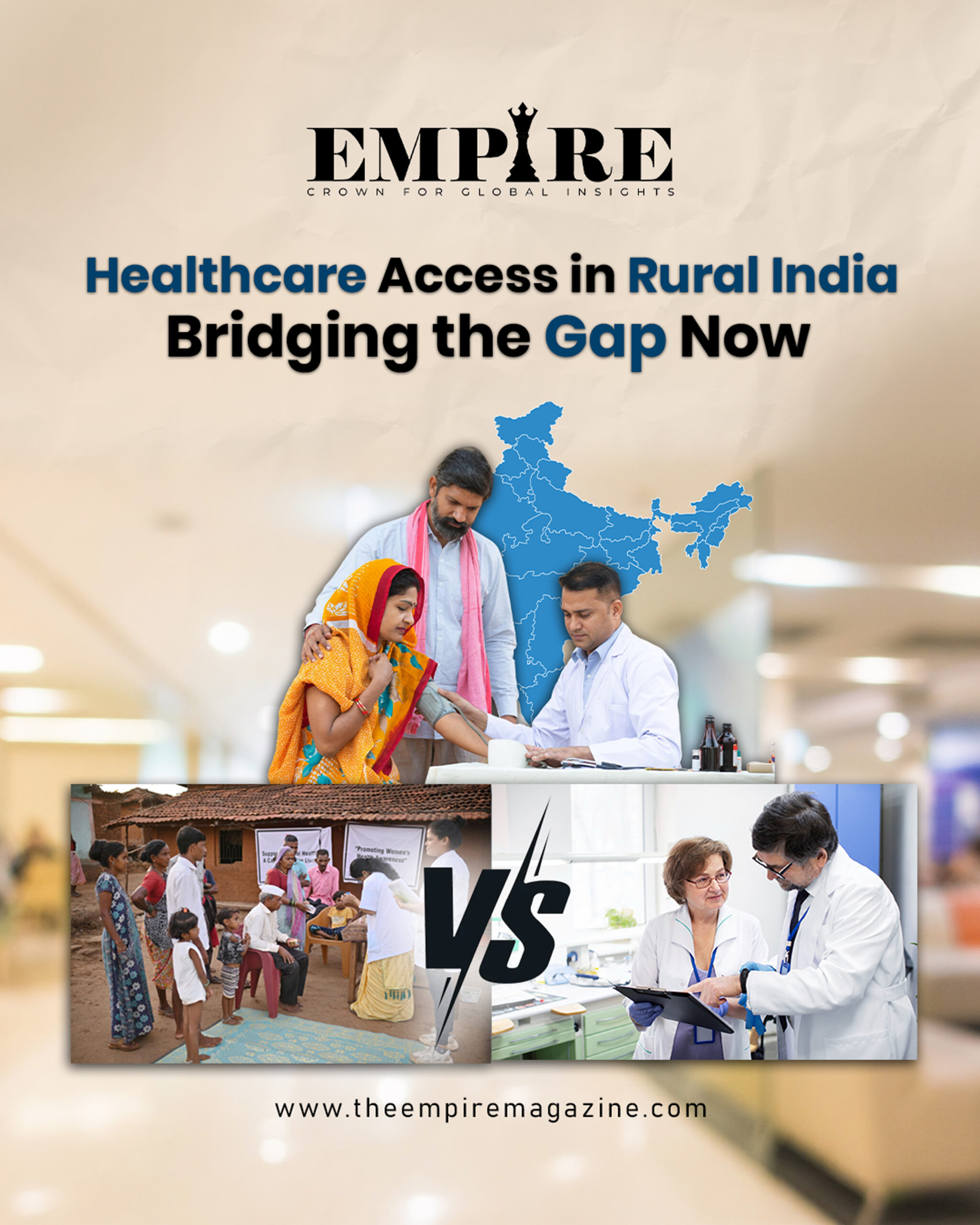
Healthcare access in rural India continues to be one of the most critical challenges in building an inclusive and equitable healthcare system. While urban areas are rapidly advancing with modern hospitals, digital health solutions, and specialized care, rural regions still struggle with limited facilities, lack of professionals, and financial constraints. This growing divide not only affects millions of lives but also highlights the urgent need for sustainable and innovative solutions.
Understanding Healthcare Access in Rural India
Healthcare access in rural India is shaped by a combination of structural, economic, and social factors. A significant portion of the country’s population resides in rural areas, yet healthcare infrastructure is disproportionately concentrated in cities. This imbalance results in limited availability of medical services where they are needed the most.
Many rural residents are forced to travel long distances—often more than 100 kilometers—to access even basic healthcare facilities. This delay in seeking treatment leads to worsening health conditions and, in many cases, preventable complications. The lack of timely care is a major contributor to the disparity in health outcomes between rural and urban populations .
Core Challenges in Rural Healthcare
1. Shortage of Healthcare Professionals
One of the most pressing issues is the severe shortage of qualified doctors, specialists, and trained healthcare workers in rural regions. Most professionals prefer to work in urban areas due to better infrastructure, career opportunities, and living conditions.
As a result, rural communities often depend on underqualified practitioners or informal healthcare providers. This increases the risk of misdiagnosis, improper treatment, and long-term health complications.
2. Poor Infrastructure
Healthcare facilities in rural India frequently lack essential resources such as diagnostic equipment, medicines, and proper sanitation. In many areas, hospitals and clinics struggle with unreliable electricity and inadequate water supply.
Additionally, the absence of proper record-keeping systems makes it difficult to track patient history, affecting the quality of long-term care and treatment planning.
3. Financial Barriers
Financial constraints significantly limit healthcare access in rural India. A large percentage of rural households rely on out-of-pocket payments for medical expenses. Without sufficient insurance coverage, even minor illnesses can lead to financial distress or debt.
This economic burden discourages individuals from seeking timely medical attention, further worsening health outcomes.
4. Transportation and Accessibility Issues
Poor road infrastructure and lack of emergency transport services make it difficult for patients to reach healthcare facilities quickly. In emergencies, delays can be life-threatening, especially for maternal and child health cases.
Impact on Health Outcomes
The consequences of limited healthcare access in rural India are profound and far-reaching. Rural populations experience higher rates of:
- Infant mortality
- Maternal deaths
- Malnutrition
- Preventable diseases
- Lower life expectancy
Preventive healthcare measures such as vaccinations, routine check-ups, and early diagnosis are often neglected due to lack of awareness and accessibility. Women and children are particularly vulnerable, as they require continuous medical support and monitoring.
Malnutrition remains a significant issue, especially among children, due to the lack of proper healthcare guidance and nutritional support. This leads to long-term developmental challenges and perpetuates the cycle of poverty and poor health .
Emerging Solutions Transforming Rural Healthcare
Despite these challenges, several innovative solutions are helping improve healthcare access in rural India.
1. Telemedicine
Telemedicine is revolutionizing rural healthcare by enabling remote consultations between patients and doctors. Through digital platforms, individuals can receive medical advice, diagnoses, and treatment plans without traveling long distances.
This not only saves time and costs but also connects rural populations with specialized healthcare professionals.
2. Community Health Workers
Community health workers (CHWs) play a vital role in bridging the gap between healthcare systems and rural communities. These locally trained individuals provide essential services such as:
- Maternal and child healthcare
- Immunization support
- Health education
- Basic medical assistance
Their presence ensures that healthcare reaches even the most remote areas.
3. Mobile Clinics and Small Hospitals
Mobile clinics and decentralized healthcare centers are bringing medical services closer to rural populations. These facilities reduce travel time and provide essential treatments, diagnostics, and preventive care.
Small hospitals in semi-urban areas are also acting as critical hubs for healthcare delivery, improving accessibility and efficiency.
4. Training and Skill Development
Training programs for local healthcare providers are improving the quality of care in rural regions. By equipping individuals with medical knowledge and skills, communities can become more self-reliant in managing basic healthcare needs.
The Role of Technology in Rural Healthcare
Technology is playing a transformative role in improving healthcare access in rural India. Digital tools such as electronic health records, remote diagnostics, and AI-driven healthcare solutions are streamlining processes and enhancing efficiency.
However, the success of these technologies depends on:
- Reliable internet connectivity
- Digital literacy among healthcare workers
- Adequate infrastructure
With proper implementation, technology can significantly reduce the gap between rural and urban healthcare systems.
Policy Interventions and Government Initiatives
Government policies and public-private partnerships are essential for addressing healthcare challenges in rural India. Key focus areas include:
- Increasing healthcare funding
- Improving infrastructure
- Expanding insurance coverage
- Incentivizing doctors to work in rural areas
Collaborative efforts between urban and rural healthcare systems can also facilitate knowledge sharing and resource optimization.
The Path Forward
Achieving equitable healthcare access in rural India requires a multi-dimensional approach. Investments in infrastructure, technology, and human resources must be prioritized. At the same time, awareness campaigns are crucial to ensure that communities actively utilize available healthcare services.
The goal is not just to improve healthcare facilities but to build a system that is inclusive, accessible, and sustainable. By embracing innovation and fostering collaboration, India can move closer to bridging the rural-urban healthcare divide.
Healthcare access in rural India is not just a policy issue—it is a human necessity. Ensuring that every individual, regardless of location, has access to quality healthcare is fundamental to the nation’s growth and development.
For more insights on healthcare transformation and global developments, visit:
https://theempiremagazine.com/?p=5983
Stay connected with us:
Instagram: https://www.instagram.com/the_empire_magazine/
Facebook: https://www.facebook.com/profile.php?id=61573749076160
– The Empire Magazine
Crown For Global Insights