
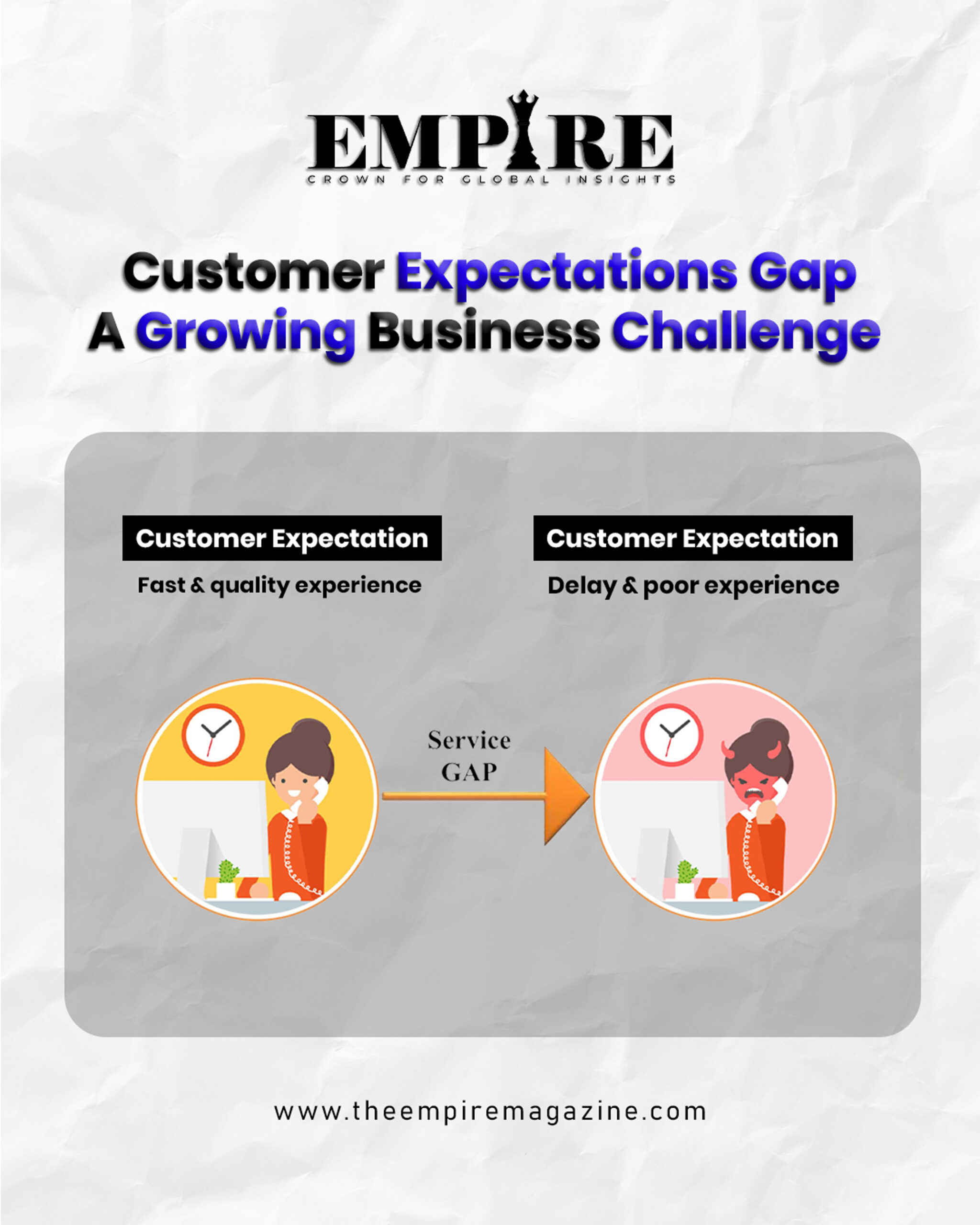
The Customer Expectations Gap has become one of the most critical challenges for modern businesses. In today’s competitive and digitally connected world, customers expect fast, personalized, and seamless experiences. However, many organizations struggle to deliver on these expectations, creating a disconnect between what customers want and what businesses provide.
This gap is not just a minor issue—it directly impacts customer satisfaction, brand reputation, and long-term business success. When expectations are not met, customers quickly lose trust and turn to competitors who can deliver better experiences.
Understanding and addressing this gap is essential for any organization aiming to thrive in today’s market.
The Reality of Customer Experience Mismatch
A key insight into the Customer Expectations Gap is the difference between perception and reality. Many businesses believe they are delivering excellent customer experiences, while customers often feel otherwise. Pasted text
This mismatch highlights a major problem: organizations are often unaware of the actual customer experience. While internal metrics may show strong performance, customer feedback can reveal dissatisfaction.
This disconnect occurs because businesses tend to focus on internal goals rather than external expectations. As a result, they may optimize processes for efficiency but fail to meet customer needs.
Why Customer Expectations Are Rising
Customer expectations are constantly evolving, driven by technological advancements and changing consumer behavior.
Several factors contribute to this rise:
- Exposure to high-performing brands that set new standards
- Demand for faster services and instant responses
- Increased use of digital platforms and automation
- Desire for personalized experiences
For example, fast delivery options and real-time updates have become standard expectations in many industries. Customers now expect speed, transparency, and control over their experiences. Pasted text (2)
As expectations grow, businesses must continuously adapt to remain competitive.
Common Causes of the Customer Expectations Gap
The Customer Expectations Gap is often caused by several internal and external factors:
1. Lack of Customer Understanding
Many businesses fail to deeply understand their customers’ needs, preferences, and behaviors. Without this understanding, it becomes difficult to deliver relevant experiences.
2. Overpromising and Underdelivering
Marketing campaigns often set high expectations that the business cannot consistently meet. This leads to disappointment and loss of trust.
3. Internal Focus Over Customer Focus
Organizations sometimes prioritize internal efficiency and policies over customer satisfaction. This results in rigid processes that do not align with customer expectations.
4. Poor Communication
Lack of clear communication about timelines, delays, or service limitations can frustrate customers and widen the gap.
5. Rapidly Changing Expectations
Customer preferences change quickly, making it challenging for businesses to keep up.
The Impact on Business Performance
The consequences of the Customer Expectations Gap can be significant:
- Reduced customer satisfaction
- Loss of brand loyalty
- Increased customer churn
- Negative reviews and reputation damage
- Decline in revenue
Customers today have more choices than ever. If a business fails to meet expectations, switching to a competitor is often quick and easy.
On the other hand, businesses that successfully align with customer expectations can build strong relationships and long-term loyalty.
Different Approaches to Customer Experience
Organizations typically adopt different strategies to manage customer experience:
1. Chasing Expectations
Some businesses try to match every new customer expectation. While this may seem effective, it often leads to reactive strategies and unsustainable efforts.
2. Operational Efficiency Focus
Others focus on internal efficiency, prioritizing cost control and process optimization. However, this approach can ignore customer needs.
3. Aligned Outcomes Approach
The most effective strategy is aligning customer expectations with business capabilities. This approach focuses on delivering consistent and meaningful outcomes rather than chasing trends.
Businesses that adopt this approach are better positioned to close the gap.
The Role of Data and Technology
Data plays a crucial role in reducing the Customer Expectations Gap. Businesses can use both operational and experiential data to understand customer behavior and preferences.
Key technologies include:
- AI for analyzing customer feedback
- Real-time tracking systems
- Automation tools for faster service delivery
- Data analytics for decision-making
These tools help businesses identify pain points and improve customer experiences at scale.
Importance of Communication and Transparency
Clear communication is essential in managing customer expectations. Customers value transparency, especially when delays or issues occur.
Providing accurate information such as:
- Expected wait times
- Delivery updates
- Service availability
helps build trust and reduces frustration.
Even when problems arise, proactive communication can turn a negative experience into a positive one.
Strategies to Close the Customer Expectations Gap
To bridge the gap, businesses must take a proactive approach:
1. Understand Customer Needs
Conduct surveys, gather feedback, and analyze behavior to gain deeper insights.
2. Set Realistic Expectations
Avoid overpromising. Clearly communicate what customers can expect.
3. Align Operations with Customer Value
Design processes that prioritize customer satisfaction rather than internal convenience.
4. Use Data for Continuous Improvement
Leverage analytics to identify gaps and improve performance.
5. Invest in Employee Empowerment
Train employees to handle customer needs effectively and provide flexible solutions.
The Future of Customer Experience
The Customer Expectations Gap will continue to evolve as technology advances. Businesses must adopt a mindset of continuous improvement and adaptability.
Future trends may include:
- Greater use of AI-driven personalization
- Faster and more flexible service delivery
- Increased focus on sustainability and transparency
- Enhanced omnichannel experiences
Organizations that stay ahead of these trends will be better equipped to meet customer expectations.
For more insights, read here:
👉 https://theempiremagazine.com/?p=5801&preview=true
Stay connected with us:
📸 Instagram: https://www.instagram.com/the_empire_magazine/
📘 Facebook: https://www.facebook.com/profile.php?id=61573749076160
The Empire Magazien
Crown For Global Insights