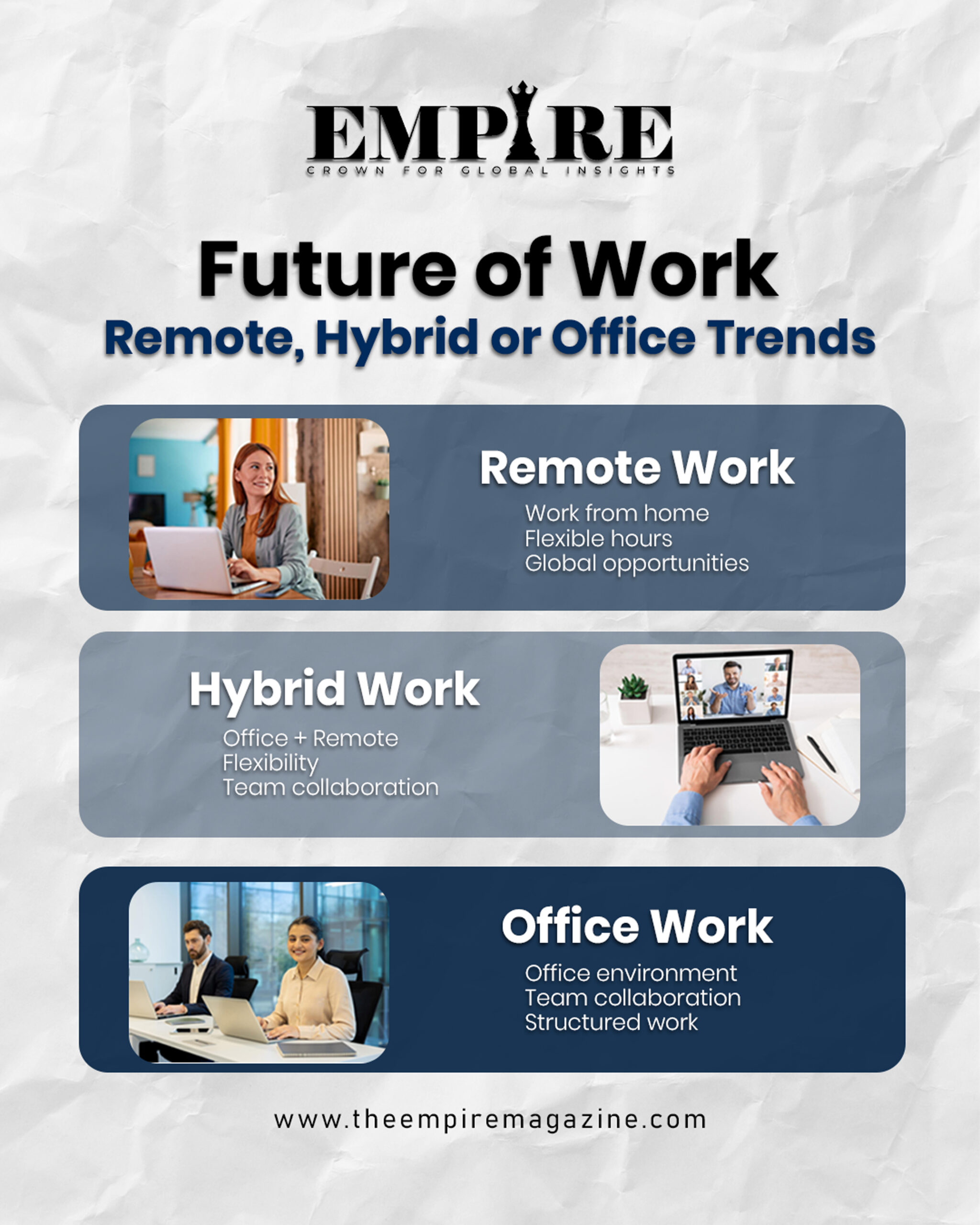
Future of Work is one of the most discussed and transformative topics in today’s global economy. The traditional workplace model has undergone a dramatic shift, leading to new ways of working that include remote, hybrid, and office-based environments. As businesses and employees adapt to these changes, the question is no longer whether work will evolve—but how.
Organizations are rethinking productivity, employee engagement, and workplace culture. At the same time, employees are prioritizing flexibility, work-life balance, and career growth. The future of work is not defined by a single model but by a combination of approaches tailored to different industries, roles, and individual preferences.
The Rise of Remote Work
Remote work has become one of the most significant changes in modern employment. It allows employees to work from anywhere, eliminating the need for daily commuting and providing greater flexibility.
One of the biggest advantages of remote work is the ability to access global opportunities. Employees are no longer limited by geography, and companies can hire talent from different parts of the world. This has created a more diverse and inclusive workforce.
Remote work also offers benefits such as:
- Improved work-life balance
- Increased productivity for certain roles
- Reduced operational costs for businesses
- Flexibility in work schedules
However, remote work also comes with challenges. Employees may experience isolation, communication gaps, and difficulty separating personal and professional life. Companies must invest in digital tools and strong communication strategies to overcome these issues.
The Emergence of Hybrid Work Models
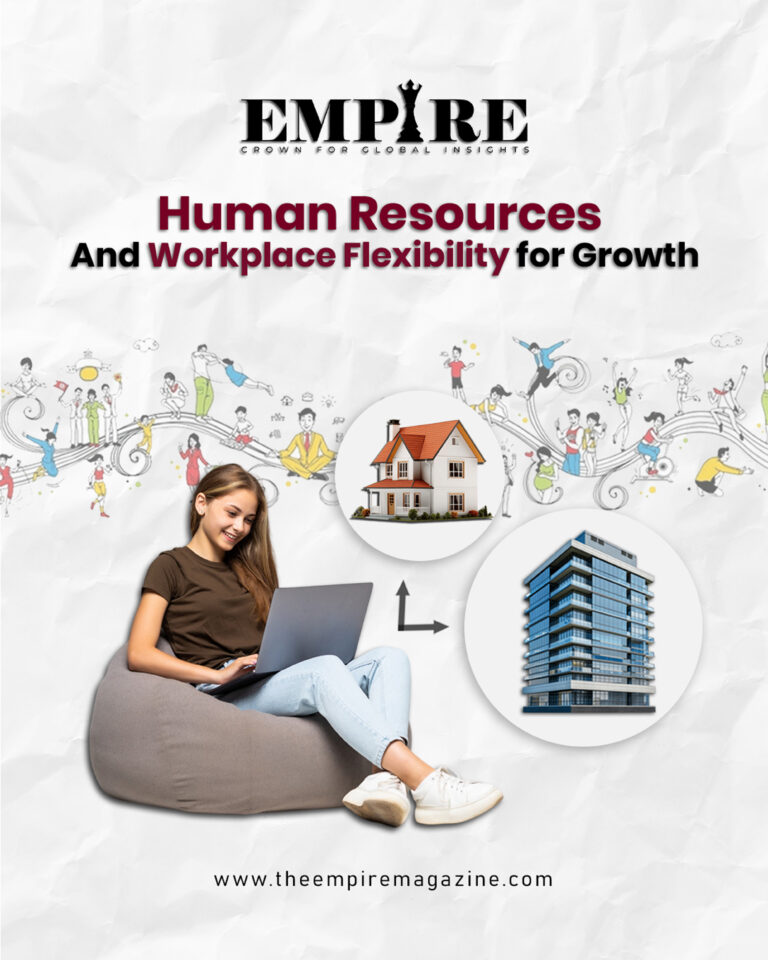
Hybrid work combines the best of both remote and office environments. Employees split their time between working from home and working in a physical office. This model has gained popularity because it offers flexibility while maintaining in-person collaboration.
Hybrid work allows employees to enjoy the comfort of remote work while still benefiting from face-to-face interactions. It also helps companies maintain office culture and teamwork.
Key benefits of hybrid work include:
- Greater flexibility for employees
- Improved collaboration and innovation
- Better work-life balance
- Reduced commuting time
For businesses, hybrid work requires careful planning. Organizations must redesign office spaces, implement flexible policies, and ensure seamless coordination between remote and in-office teams.
The Role of Traditional Office Work
Despite the rise of remote and hybrid models, traditional office work still plays an important role. Offices provide a structured environment that can enhance focus, collaboration, and company culture.
Certain industries and roles require physical presence, such as manufacturing, healthcare, and retail. Even in knowledge-based industries, offices are valuable for team meetings, brainstorming sessions, and training.
The office environment offers:
- Direct communication and collaboration
- Stronger team relationships
- Clear separation between work and personal life
- Opportunities for mentorship and learning
Many companies are reimagining office spaces to make them more flexible, collaborative, and employee-friendly. Instead of fixed desks, modern offices focus on shared spaces, meeting areas, and creative environments.
Technology Driving the Future of Work
Technology is a key factor shaping the future of work. Digital tools enable seamless communication, collaboration, and productivity across different work models.
Some important technologies include:
- Video conferencing platforms for virtual meetings
- Project management tools for task coordination
- Cloud computing for remote access to data
- Artificial intelligence for automation and efficiency
These technologies make it possible for teams to work together regardless of location. They also help businesses maintain productivity and streamline operations.
Changing Employee Expectations
Employee expectations have evolved significantly. Workers now value flexibility, autonomy, and meaningful work more than ever before. The traditional concept of working fixed hours in a single location is no longer the standard.
Employees are looking for:
- Flexible work arrangements
- Opportunities for career growth
- Work-life balance
- Supportive workplace culture
Companies that fail to meet these expectations may struggle to attract and retain talent. As a result, organizations are adopting more employee-centric policies.
Productivity and Performance in New Work Models
One of the biggest concerns for businesses is productivity. While some leaders initially doubted remote work, many organizations have found that employees can be just as productive, if not more, when working from home.
Hybrid models also offer a balance between flexibility and accountability. Employees can focus on individual tasks at home and collaborate with teams in the office.
To ensure productivity, companies must:
- Set clear goals and expectations
- Use performance-based evaluation systems
- Encourage regular communication
- Provide the necessary tools and resources
Challenges in the Future of Work
While the future of work offers many opportunities, it also presents challenges that organizations must address.
Some common challenges include:
- Managing remote teams effectively
- Maintaining company culture
- Ensuring data security
- Preventing employee burnout
- Balancing flexibility with accountability
Organizations must develop strategies to overcome these challenges and create a sustainable work environment.
The Global Impact of Work Transformation
The shift in work models is not limited to a single region—it is a global phenomenon. Businesses around the world are adapting to new ways of working, leading to changes in urban planning, real estate, and economic structures.
For example, remote work has reduced the need for large office spaces, while increasing demand for home offices and co-working spaces. It has also enabled people to live in different locations while working for companies based elsewhere.
You can explore more insights on global trends and work transformation here:
👉 https://theempiremagazine.com/?p=5682
What the Future Holds
The future of work is likely to be a combination of remote, hybrid, and office models. There is no one-size-fits-all solution, as different industries and roles require different approaches.
Companies will need to remain flexible and adapt to changing needs. The focus will be on creating a work environment that supports productivity, employee well-being, and business growth.
Key trends shaping the future include:
- Increased adoption of hybrid work models
- Greater use of technology and automation
- Focus on employee experience
- Emphasis on skills and continuous learning
Stay connected for more insights:
📸 Instagram: https://www.instagram.com/the_empire_magazine/
📘 Facebook: https://www.facebook.com/profile.php?id=61573749076160
– The Empire Magazine
Crown For Global Insights