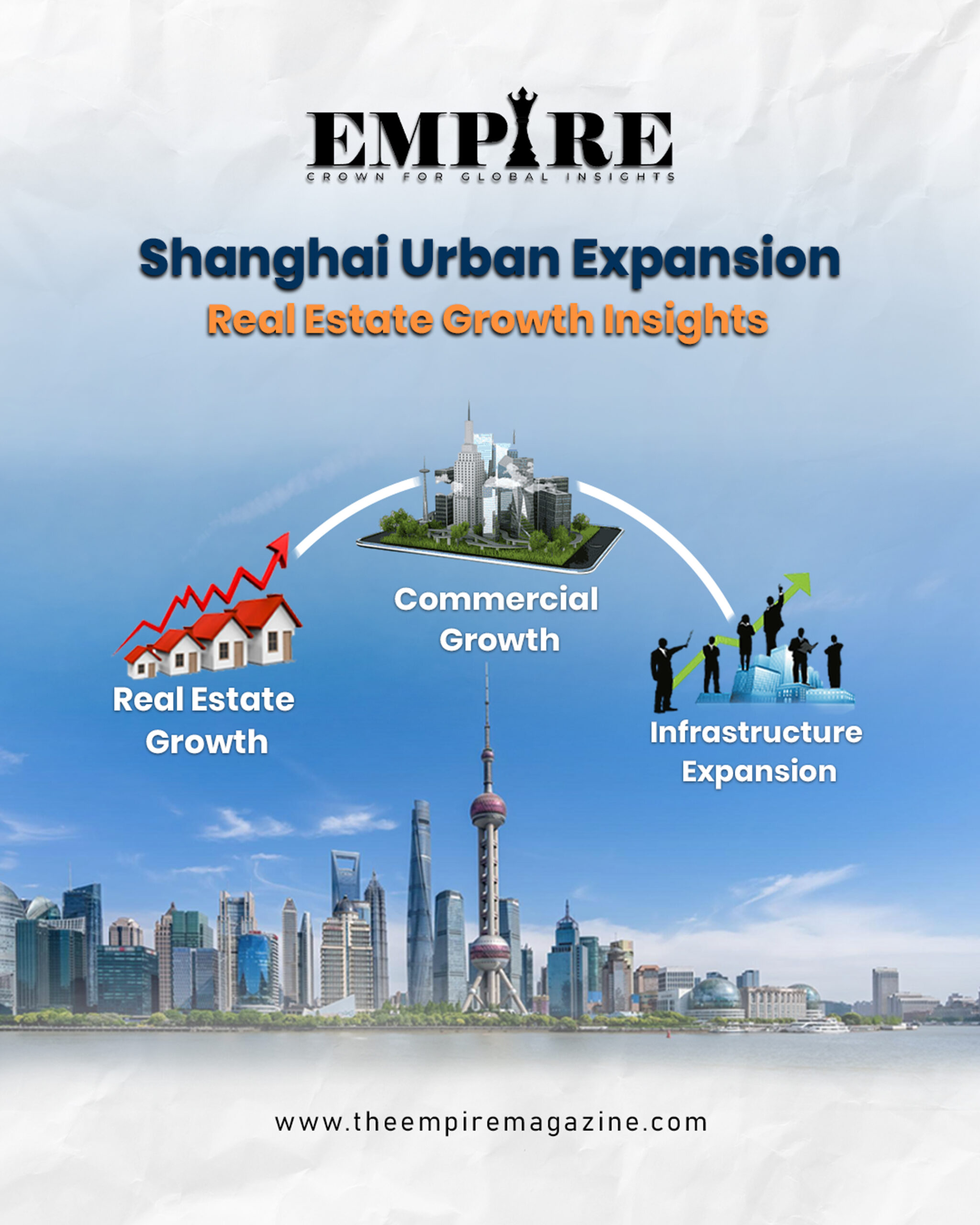
Shanghai Urban Expansion is one of the most powerful examples of how rapid economic development and urban migration can reshape a city’s landscape and real estate market. Over the past few decades, Shanghai has transformed from a traditional port city into a global financial hub, driven by industrial growth, infrastructure development, and large-scale urbanization.
This transformation has not only redefined the skyline of Shanghai but also created one of the most dynamic real estate markets in the world. From towering skyscrapers to expansive residential complexes, the city reflects the direct impact of economic progress and population movement.
The Rise of Shanghai as a Global City
Shanghai’s growth is closely linked to its strategic importance as a commercial and financial center. As industries expanded and global trade increased, the city attracted both domestic and international investments. This led to a surge in job opportunities, drawing millions of people from rural areas and smaller cities.
Urban migration played a critical role in shaping Shanghai’s expansion. As people moved to the city in search of better economic prospects, the demand for housing, infrastructure, and services increased dramatically. This created the foundation for a booming real estate sector.
The city’s development was not random—it was carefully planned to accommodate growth while maintaining its position as a global economic powerhouse.
Transformation of the Skyline
One of the most visible outcomes of Shanghai Urban Expansion is the dramatic transformation of its skyline. The city has become known for its modern architecture, featuring some of the tallest and most advanced skyscrapers in the world.
Business districts have been developed to support financial services, multinational corporations, and technology companies. These districts are designed with state-of-the-art infrastructure, advanced transportation systems, and world-class office spaces.
Skyscrapers are not just symbols of economic success—they also represent the city’s ambition to compete on a global scale. They provide space for businesses to grow, attract international talent, and strengthen Shanghai’s position in the global economy.
Expansion of Residential Real Estate
Alongside commercial development, residential real estate has expanded rapidly to accommodate the growing population. Millions of people moving into the city created an urgent need for housing, leading to the construction of large residential complexes.
These developments range from high-rise apartment buildings to modern housing communities equipped with essential amenities such as schools, healthcare facilities, and recreational spaces.
The scale of residential expansion reflects the intensity of urban migration. Developers have focused on creating housing solutions that can support large populations while maintaining quality of living. This has resulted in the development of organized urban communities that combine convenience with modern living standards.
Economic Growth Driving Real Estate Demand
The connection between economic growth and real estate development is clearly visible in Shanghai. As industries grow and incomes rise, the demand for both commercial and residential properties increases.
Businesses require office spaces, retail outlets, and industrial facilities, while individuals need housing and access to urban services. This creates a continuous cycle of demand that fuels the real estate market.
Economic growth also attracts foreign investment, further boosting the property sector. Investors see Shanghai as a high-potential market due to its strong economy, strategic location, and growing population.
Urban Migration and Its Impact
Urban migration is one of the key drivers behind Shanghai Urban Expansion. People moving from rural areas to urban centers bring new energy, skills, and demand for services. This migration supports economic growth while simultaneously increasing the need for infrastructure and housing.
However, rapid migration also presents challenges. Cities must ensure that infrastructure keeps pace with population growth. This includes transportation systems, utilities, healthcare, and education.
Shanghai has managed this challenge by investing heavily in urban planning and development. The city’s ability to accommodate millions of residents while maintaining efficiency is a testament to its strategic approach.
Infrastructure and Connectivity
Infrastructure development has played a crucial role in supporting Shanghai’s expansion. Efficient transportation systems, including metro networks, highways, and ports, have made it easier for people and goods to move across the city.
Connectivity enhances the value of real estate by making locations more accessible. Areas with strong infrastructure tend to attract more investment and development, leading to higher property values.
Modern infrastructure also improves the quality of life for residents, making the city more attractive for both living and working.
Challenges of Rapid Urban Expansion
While Shanghai Urban Expansion has brought significant benefits, it also comes with challenges. Rapid growth can lead to issues such as:
- Rising property prices
- Increased cost of living
- Environmental concerns
- Pressure on public services
Managing these challenges requires careful planning and sustainable development practices. The city must balance growth with environmental responsibility and social well-being.
Lessons for Global Cities
Shanghai’s experience offers valuable insights for other cities undergoing urbanization. The key lesson is that economic growth combined with urban migration can create strong real estate markets—but only if supported by effective planning and infrastructure.
Cities can learn from Shanghai by:
- Investing in long-term urban planning
- Developing efficient transportation systems
- Encouraging sustainable development
- Creating balanced residential and commercial spaces
These strategies can help cities manage growth while maximizing economic opportunities.
You can explore more global urban and real estate insights here:
👉 https://theempiremagazine.com/?p=5680
The Future of Shanghai’s Real Estate Market
The future of Shanghai’s real estate market remains promising. As the city continues to grow, demand for high-quality residential and commercial properties is expected to remain strong.
Innovation in construction, smart city technologies, and sustainable practices will shape the next phase of development. Shanghai is likely to continue setting benchmarks for urban expansion and real estate growth on a global scale.
The focus will be on creating a balanced urban environment that supports economic activity while ensuring a high quality of life for residents.
Stay connected for more insights:
📸 Instagram: https://www.instagram.com/the_empire_magazine/
📘 Facebook: https://www.facebook.com/profile.php?id=61573749076160
– The Empire Magazine
Crown For Global Insights