The rise of global high-performance teams driving business success is transforming how companies operate in today’s interconnected world. Organizations are no longer limited by geography when building their workforce. Instead, they are leveraging talent from multiple countries to create dynamic, innovative, and resilient teams that can compete on a global scale.
In a rapidly evolving business environment, the ability to build and manage high-performing teams across borders has become a key competitive advantage. Companies that embrace global talent are not only gaining access to a broader skill set but are also enhancing creativity, improving productivity, and accelerating growth.
The Shift Toward Global Talent Acquisition
The concept of global high-performance teams driving business success begins with a shift in hiring strategies. Businesses are moving away from local-only recruitment and adopting a global mindset. This approach allows organizations to access a vast pool of skilled professionals worldwide rather than being restricted to a limited geographic area.
A global hiring strategy enables companies to find the best talent regardless of location. Instead of competing for the same candidates within a city, organizations can identify individuals with specialized skills across continents. This dramatically increases the chances of building a strong and capable workforce.
Moreover, global hiring helps companies address skill shortages, particularly in industries like technology, marketing, and design. By expanding their reach, businesses can fill critical roles more efficiently and effectively.
Advantages of Building Global Teams
One of the most significant benefits of global high-performance teams driving business success is access to diverse perspectives. When team members come from different cultural, educational, and professional backgrounds, they bring unique ideas and approaches to problem-solving.
Diversity fuels innovation. Teams that include individuals from various regions are better equipped to understand global markets, identify opportunities, and anticipate challenges. This diversity also leads to more creative solutions and improved decision-making.
Another major advantage is cost efficiency. Companies can hire highly skilled professionals from regions with different cost structures, allowing them to optimize budgets while still offering competitive compensation.
Additionally, global teams enable round-the-clock productivity. With employees working in different time zones, businesses can maintain continuous operations, ensuring faster project completion and improved customer support.
The Role of Human Capabilities in High-Performance Teams
While technology and strategy are important, the success of global high-performance teams driving business success ultimately depends on human capabilities. High-performing teams are not just defined by skills but by how effectively individuals collaborate, adapt, and innovate.
Key human capabilities include curiosity, emotional intelligence, resilience, and the ability to work collaboratively across boundaries. These traits help teams navigate complex challenges and adapt to changing environments.
Emotional and social intelligence play a critical role in global teams. When team members understand and respect cultural differences, they can build stronger relationships and communicate more effectively. This fosters trust and enhances overall team performance.
Resilience is equally important. Global teams often face challenges such as time zone differences, communication barriers, and cultural misunderstandings. The ability to adapt and overcome these challenges is essential for long-term success.
Building a Strong Global Hiring Strategy
Creating global high-performance teams driving business success requires a well-structured hiring strategy. Companies must identify which roles are suitable for global hiring and ensure that job descriptions clearly outline expectations.
Roles that involve independent work, such as software development, design, and digital marketing, are particularly well-suited for global teams. These positions allow employees to contribute effectively without needing constant real-time collaboration.
Organizations must also address legal and compliance considerations when hiring internationally. This includes understanding labor laws, tax regulations, and employment requirements in different countries. Many companies use Employer of Record (EOR) services to simplify this process and ensure compliance.
Compensation strategies should be fair and aligned with local market conditions. Offering competitive salaries and benefits tailored to each region helps attract and retain top talent.
Communication: The Backbone of Global Teams
Effective communication is essential for global high-performance teams driving business success. In a distributed workforce, clear and consistent communication ensures that everyone remains aligned and informed.
Companies are increasingly adopting asynchronous communication methods, allowing team members to collaborate without being online at the same time. Tools such as project management platforms, messaging apps, and shared documentation systems help streamline communication.
Documentation is another critical aspect. Maintaining a centralized knowledge base ensures that information is accessible to all team members, reducing confusion and improving efficiency.
Regular meetings, when necessary, should be structured and inclusive. Rotating meeting times can help accommodate team members in different time zones, promoting fairness and engagement.
Fostering Collaboration and Team Culture
Building a strong culture is a key factor in global high-performance teams driving business success. Without intentional efforts, remote teams may feel disconnected or isolated.
Organizations can foster collaboration by creating opportunities for team members to interact beyond work-related tasks. Virtual team-building activities, informal chats, and regular one-on-one meetings help strengthen relationships.
Encouraging a sense of belonging is crucial. When employees feel valued and included, they are more likely to contribute actively and remain committed to the organization.
High-performing teams also promote a culture of learning and experimentation. Encouraging employees to share ideas, learn from failures, and continuously improve helps drive innovation and growth.
Leveraging Technology for Global Team Success
Technology plays a vital role in enabling global high-performance teams driving business success. From communication tools to collaboration platforms, technology bridges the gap between geographically dispersed team members.
Artificial intelligence and data analytics are also enhancing team performance. These technologies provide insights into productivity, identify areas for improvement, and support data-driven decision-making.
By integrating technology effectively, organizations can create a seamless and efficient work environment for their global teams.
Measuring Performance and Success
To ensure the effectiveness of global high-performance teams driving business success, companies must track key performance metrics. These include productivity levels, employee engagement, retention rates, and project outcomes.
High-performing teams are characterized by their ability to meet or exceed expectations consistently. They adapt quickly to changes, support each other, and maintain a strong focus on achieving organizational goals.
Regular feedback and performance evaluations help identify strengths and areas for improvement. This continuous improvement approach ensures that teams remain effective and aligned with business objectives.
The Future of Global Teams
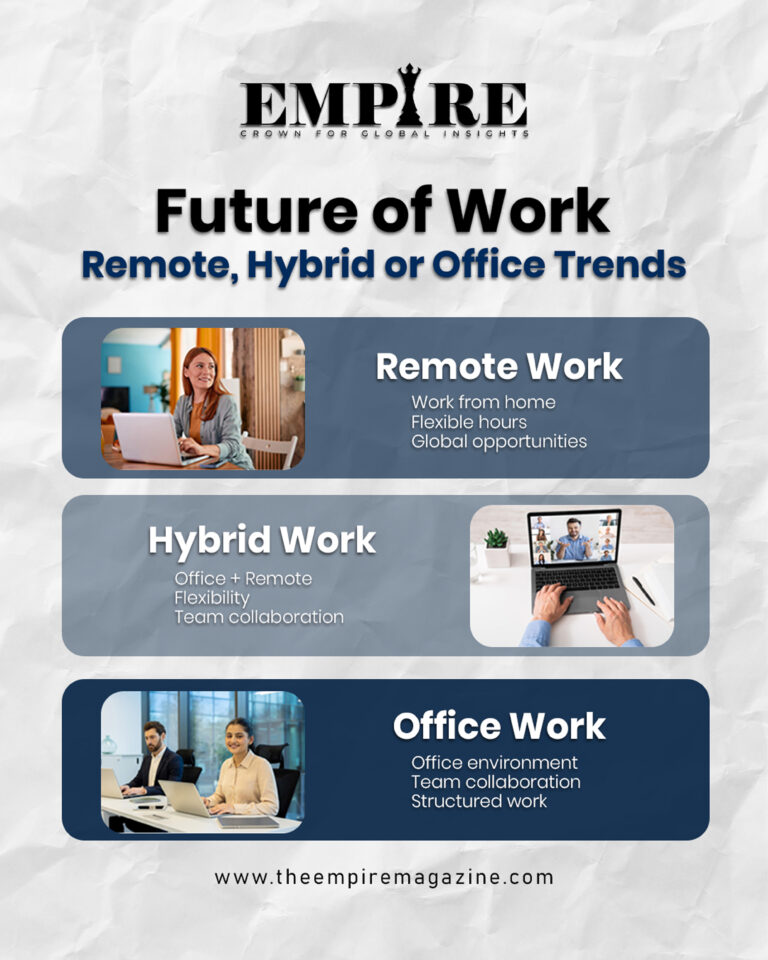
The future of global high-performance teams driving business success is closely tied to advancements in technology and changing work dynamics. Remote work and digital collaboration are becoming the norm, making global teams more accessible than ever.
Organizations that invest in building strong global teams will be better positioned to navigate uncertainties and capitalize on new opportunities. By combining diverse talent, strong leadership, and effective communication, companies can achieve sustainable growth and long-term success.
For more insights, visit:
https://theempiremagazine.com/?p=5957
Stay connected with us:
Instagram: https://www.instagram.com/the_empire_magazine/
Facebook: https://www.facebook.com/profile.php?id=61573749076160
– The Empire Magazine
Crown For Global Insights