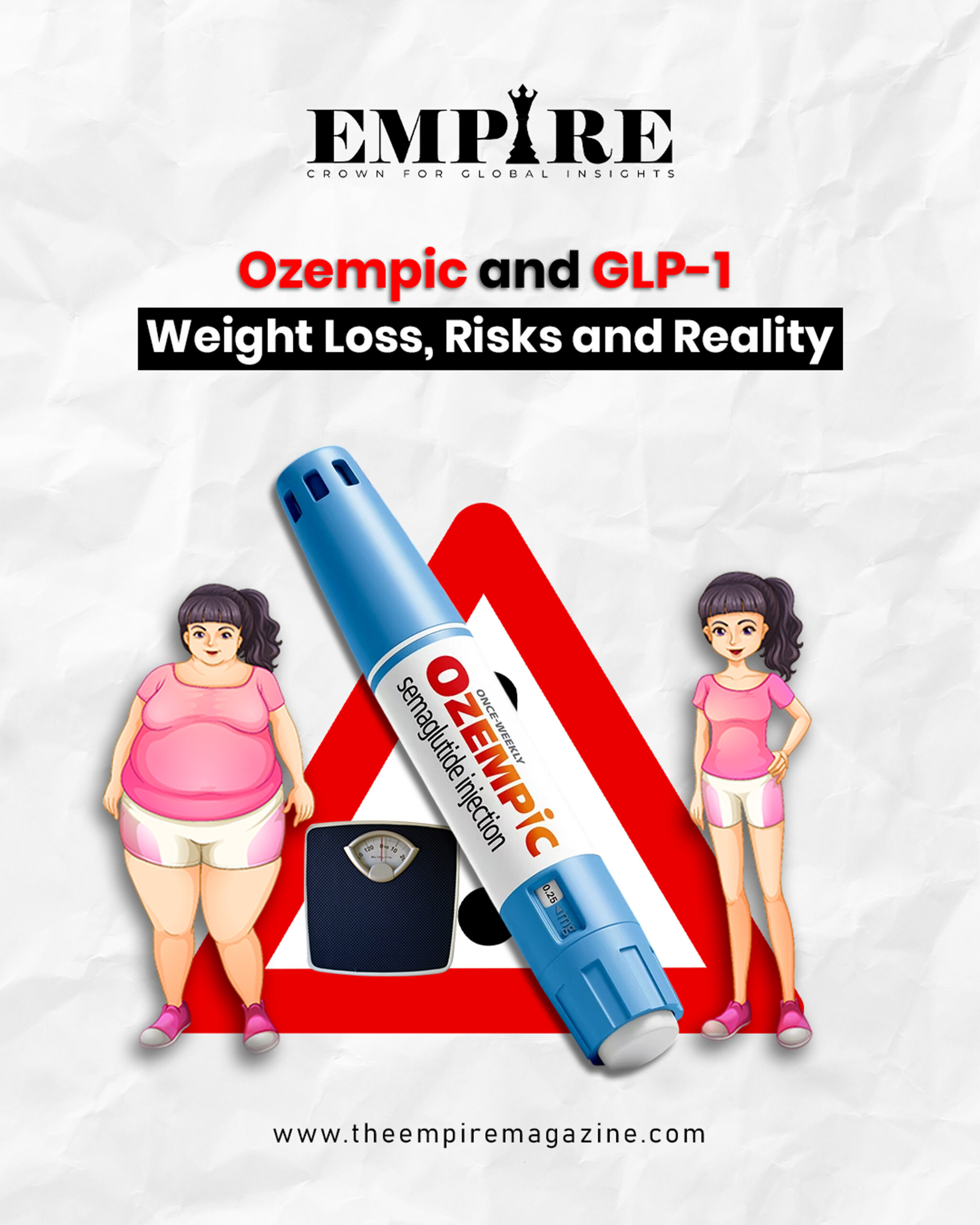
Ozempic and GLP-1 medications have become some of the most talked-about drugs in recent years. Originally developed for type 2 diabetes and medical weight management, these treatments are now at the center of a much bigger conversation involving social media influence, rapid weight-loss culture, off-label use, and growing concern about misuse. What began as a medical treatment has now become a lifestyle trend for many people, especially online.
This growing attention has created both opportunity and risk. On one side, GLP-1 drugs have shown real benefits for blood sugar control, appetite regulation, and weight loss. On the other side, increasing public attention has encouraged use beyond medical supervision, often with limited understanding of the risks, side effects, or long-term health consequences. As online discussions grow louder, so does the need for a more balanced, informed conversation.
What Ozempic and GLP-1 Drugs Actually Are
Ozempic belongs to a class of medications known as GLP-1 receptor agonists. These drugs mimic the action of a natural hormone in the body that helps regulate blood sugar, appetite, and digestion. When a person eats, the body releases GLP-1 to support insulin production, reduce glucagon levels, slow stomach emptying, and increase the feeling of fullness.
That combination makes these drugs useful in two major ways. First, they help people with type 2 diabetes manage blood sugar more effectively. Second, they can reduce appetite and support meaningful weight loss in patients who need medical obesity treatment.
This is why GLP-1 medications have gained so much attention. They are not simply “diet drugs.” They work on important biological processes related to hunger, metabolism, and glucose control.
Why Ozempic Became So Popular
The rise of Ozempic and related GLP-1 drugs cannot be understood without looking at social media. Online platforms have played a huge role in making these drugs part of everyday conversation. Users regularly share weight-loss results, dosage experiences, progress photos, side-effect advice, and personal stories. These posts can be highly persuasive, especially when they present fast, visible body transformation.
The problem is that popularity and medical appropriateness are not the same thing. Online discussions often focus heavily on visible outcomes, especially weight loss, while giving less attention to health risks, medical eligibility, or the need for supervision. This has helped create a public image of Ozempic as a shortcut to thinness rather than a serious prescription medicine.
That shift matters because it encourages people to see the drug through the lens of appearance and trend culture instead of evidence-based care.
What Social Media Discussions Reveal
Online conversations show that many users are deeply interested in Ozempic for weight loss, even when they do not have diabetes. Discussions often revolve around:
- weight-loss results
- dosage questions
- switching between similar drugs
- injection technique
- insurance denial
- constipation and digestive issues
- progress tracking
- access to compounded or alternative versions
This pattern reveals something important. Many people are trying to navigate these medications through peer conversations rather than through professional guidance. They ask strangers about dosage changes, side effects, storage, switching brands, and even how to get access when prescriptions are denied.
That kind of discussion may feel supportive, but it can also normalize off-label or unsupervised use. It can make the drug seem routine, harmless, or easy to manage without clinical oversight.
How GLP-1 Drugs Help With Diabetes
For people with type 2 diabetes, GLP-1 receptor agonists can be highly valuable. They help lower blood sugar by stimulating insulin release when glucose levels are high. They also reduce glucagon, the hormone that raises blood sugar. Because this effect depends on blood glucose being elevated, the risk of dangerous hypoglycemia is lower than with some other diabetes treatments.
These medications may also offer broader metabolic benefits. Improved blood sugar control can reduce the risk of long-term complications such as kidney disease, nerve damage, and cardiovascular problems. Some GLP-1 therapies are also being explored for added benefits related to heart health and metabolic disease.
This is why these drugs were created in the first place. Their role in diabetes care is clinically important and should not be overshadowed by trend-driven conversations.
How GLP-1 Drugs Support Weight Loss
A major reason for the public obsession with Ozempic and GLP-1 drugs is their effect on appetite and body weight. These medications slow down gastric emptying, which means food stays in the stomach longer. They also send signals that increase fullness and reduce hunger. As a result, many users eat less and gradually lose weight.
For individuals with obesity or metabolic disease, this can be medically meaningful. Weight loss of even 5% to 10% can improve blood pressure, insulin resistance, liver health, and sleep-related conditions. In some cases, the results can be far more substantial.
But the presence of benefit does not remove the need for caution. Weight loss is not the same as universal suitability. A medication that is useful in carefully selected patients can still be misused when taken without proper medical reason or supervision.
Side Effects People Commonly Experience
Many users discuss side effects online, but the most frequent topics tend to focus on manageable digestive discomfort. Common side effects include:
- nausea
- vomiting
- diarrhea
- constipation
- abdominal discomfort
These symptoms often improve over time, especially when doses are increased gradually. That is one reason doctors usually start low and titrate upward slowly.
However, the public conversation often stops there. Less attention is given to the broader safety picture, and that creates a misleading sense that the drug only causes mild and temporary stomach problems.
Risks That Need More Attention
One of the most concerning aspects of current public discussion is the lack of awareness about more serious risks. While many people talk about constipation or nausea, fewer talk about important warnings and complications.
Potential concerns can include:
- dehydration from persistent vomiting
- kidney problems
- gallbladder issues
- pancreatitis
- increased heart rate
- muscle loss during rapid weight reduction
- problems for people with significant gastrointestinal disease
- safety concerns during pregnancy or breastfeeding
There are also concerns around using compounded versions obtained outside tightly regulated channels. When people seek cheaper or easier access without understanding quality or safety concerns, the risk increases.
This gap between public enthusiasm and risk awareness is one of the most important issues surrounding Ozempic today.
Off-Label Use and Body Image Culture
The biggest social issue surrounding Ozempic may be its use by otherwise healthy individuals who want to lose weight primarily for appearance reasons. This changes the conversation from treatment into enhancement. In that setting, the drug becomes part of body image culture, where thinness is treated as a status goal rather than a medical outcome.
That is especially concerning because repeated social media success stories can make the medication feel harmless, aspirational, and even fashionable. The more that happens, the less people may question whether they actually need it, what risks they are taking, or whether a doctor has determined it is appropriate for them.
This is where social influence becomes powerful. People are not just reacting to medical information. They are reacting to peer validation, before-and-after narratives, and constant visibility online.
Why Better Public Awareness Matters
The growing popularity of Ozempic shows why public health communication needs to improve. Social media is often faster, louder, and more emotionally persuasive than medical guidance. When that happens, public perception can become disconnected from real clinical evidence.
More awareness is needed around:
- who these drugs are meant for
- why medical supervision matters
- the difference between approved and off-label use
- realistic expectations for outcomes
- the full side-effect and risk profile
Healthcare communication should not only respond to misinformation after it spreads. It should actively help people understand the role, limits, and risks of these medications before trend culture defines the conversation for them.
Final Thoughts
Ozempic and GLP-1 drugs are powerful tools in modern medicine. They can help manage type 2 diabetes, improve metabolic health, and support meaningful weight loss in the right clinical context. But their growing fame has created a second story, one shaped by online influence, cosmetic motivation, and incomplete understanding.
That second story is where the biggest risk lies. When prescription medications become social trends, medical facts can easily get buried beneath personal anecdotes and appearance-driven messaging. The result is a public conversation that often celebrates the outcome while overlooking the cost.
The real lesson is simple: these drugs deserve respect, not hype. Their benefits are real, but so are the risks. And the more society treats them like shortcuts instead of serious medicines, the greater the chance of misuse, misunderstanding, and harm.
Read more here:
https://theempiremagazine.com/?p=5637
Follow us on social media:
Instagram: https://www.instagram.com/the_empire_magazine/
Facebook: https://www.facebook.com/profile.php?id=61573749076160
– The Empire Magazine
Crown For Global Insights