
Women Empowerment in Business
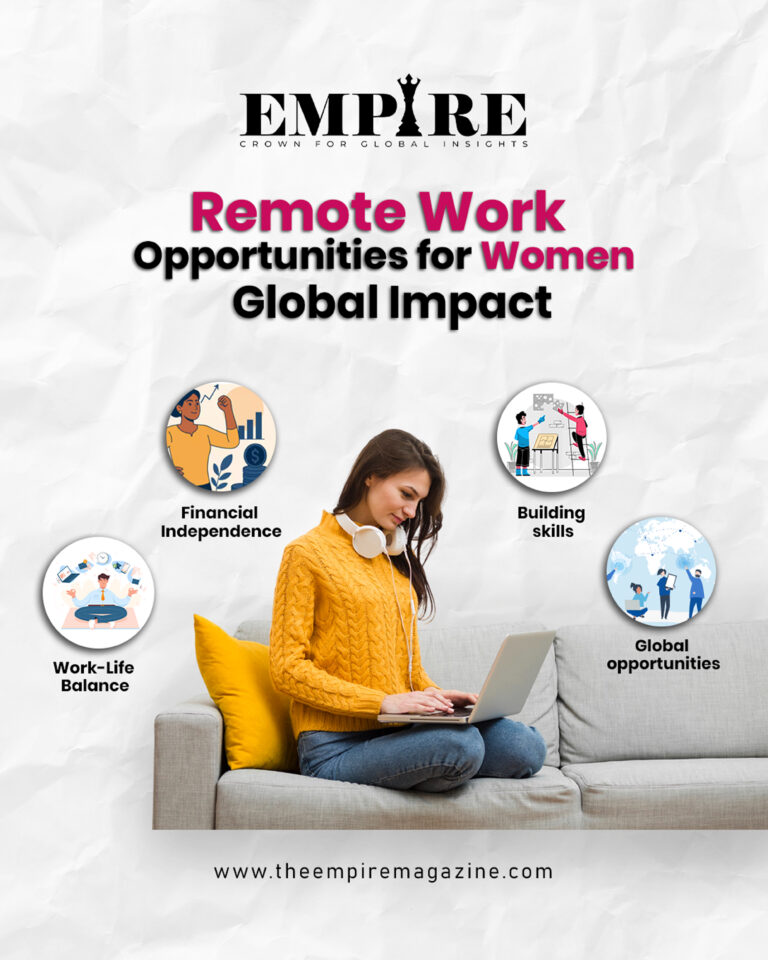
Women Empowerment in Business is no longer just a conversation—it is a global movement transforming industries, leadership models, and economic structures. Across boardrooms, startups, multinational corporations, and small enterprises, women are redefining what it means to lead, innovate, and create impact. This transformation is not symbolic. It is structural, strategic, and deeply necessary for sustainable growth.
The modern business world recognizes that empowering women is not about favoritism. It is about unlocking talent that has historically been overlooked. When women rise in business, organizations gain stronger leadership, diverse thinking, and long-term resilience.
Redesigning Leadership Structures
For decades, corporate leadership followed rigid hierarchies shaped largely by male-dominated systems. Decision-making circles often lacked gender diversity, limiting perspective and innovation. Women Empowerment in Business challenges these outdated structures.
Today, women are not simply entering executive positions—they are reshaping them. Leadership is becoming more collaborative, emotionally intelligent, and inclusive. Modern leadership requires empathy, adaptability, and strong communication—qualities increasingly recognized as critical to business success.
Organizations that actively support women in leadership positions often experience improved employee engagement, stronger workplace culture, and more effective decision-making. Empowerment transforms not just representation, but performance.
The Economic Power of Inclusion
The business case for Women Empowerment in Business is clear. Research consistently shows that companies with diverse leadership teams outperform less diverse counterparts. Gender diversity correlates with higher profitability, stronger innovation pipelines, and improved governance.
When women are included in executive decision-making, companies benefit from varied perspectives. Women leaders frequently emphasize long-term strategy, sustainability, and ethical responsibility—qualities that modern stakeholders demand.
Economic empowerment of women also has ripple effects. As women gain financial independence and leadership authority, they reinvest in families, communities, and education. This multiplies economic growth at both micro and macro levels.
Breaking Barriers and Structural Bias
Despite progress, barriers remain. Women continue to face pay disparities, underrepresentation in top roles, and unconscious bias in recruitment and promotion processes. Women of color often experience even greater obstacles.
Women Empowerment in Business must therefore move beyond surface-level initiatives. It requires structural reform. Organizations must implement transparent pay structures, mentorship and sponsorship programs, leadership development pipelines, and inclusive hiring practices.
Supportive workplace policies—such as flexible scheduling, parental leave, and childcare assistance—are also essential. These policies recognize that empowerment is not just about opportunity but about accessibility.
Entrepreneurship as a Catalyst
Entrepreneurship is one of the most powerful expressions of Women Empowerment in Business. Across industries—from technology to healthcare to sustainability—women are launching innovative ventures that address real-world challenges.
Women-led startups are increasingly purpose-driven, combining profitability with social impact. However, funding disparities persist. Women entrepreneurs receive a smaller percentage of venture capital investment compared to their male counterparts.
Bridging this funding gap requires active involvement from investors, accelerators, and financial institutions. Supporting women entrepreneurs is not charity—it is smart economic strategy.
To explore broader perspectives on empowerment and business transformation, you can read more here:
https://theempiremagazine.com/?p=5278&preview=true
This conversation continues to shape how organizations build inclusive ecosystems.
Mentorship and Education
Education remains the foundation of empowerment. Access to quality business education, technology training, and leadership programs enables women to compete confidently in global markets.
Beyond formal education, mentorship plays a critical role. When women have access to mentors and sponsors who advocate for their growth, career progression accelerates significantly.
Companies that invest in mentorship initiatives often build stronger leadership pipelines and more cohesive workplace cultures. Empowerment thrives when knowledge and opportunity intersect.
Cultural Transformation in the Workplace
Women Empowerment in Business also reshapes workplace culture. Inclusive leadership fosters environments where diverse voices are valued. This encourages creativity and psychological safety.
Organizations that prioritize inclusion experience lower turnover rates and higher innovation levels. Employees feel heard, respected, and motivated to contribute fully.
Empowerment creates workplaces where performance and well-being coexist. It shifts business from competition-driven models to collaboration-driven growth.
The Future of Equitable Leadership
The future of business depends on balanced representation and shared leadership. As industries evolve through digital transformation and global challenges, diverse leadership becomes a competitive advantage.
Women Empowerment in Business is not temporary—it is foundational to modern success. Businesses that resist this transformation risk stagnation, while those that embrace it position themselves for sustained relevance.
Empowerment is not about replacing one form of dominance with another. It is about building equitable systems where talent determines success—not gender.
The next generation of leaders is already watching. Young professionals are entering the workforce with expectations of inclusion, equality, and transparency. Organizations that reflect these values will attract and retain the strongest talent.
Women empowerment is shaping boardrooms, influencing policy decisions, driving innovation, and redefining leadership standards. It signals a shift toward businesses that are not only profitable but principled.
In this evolving landscape, empowerment becomes more than a value—it becomes a strategy.
– The Empire Magazine
Crown For Global Insights