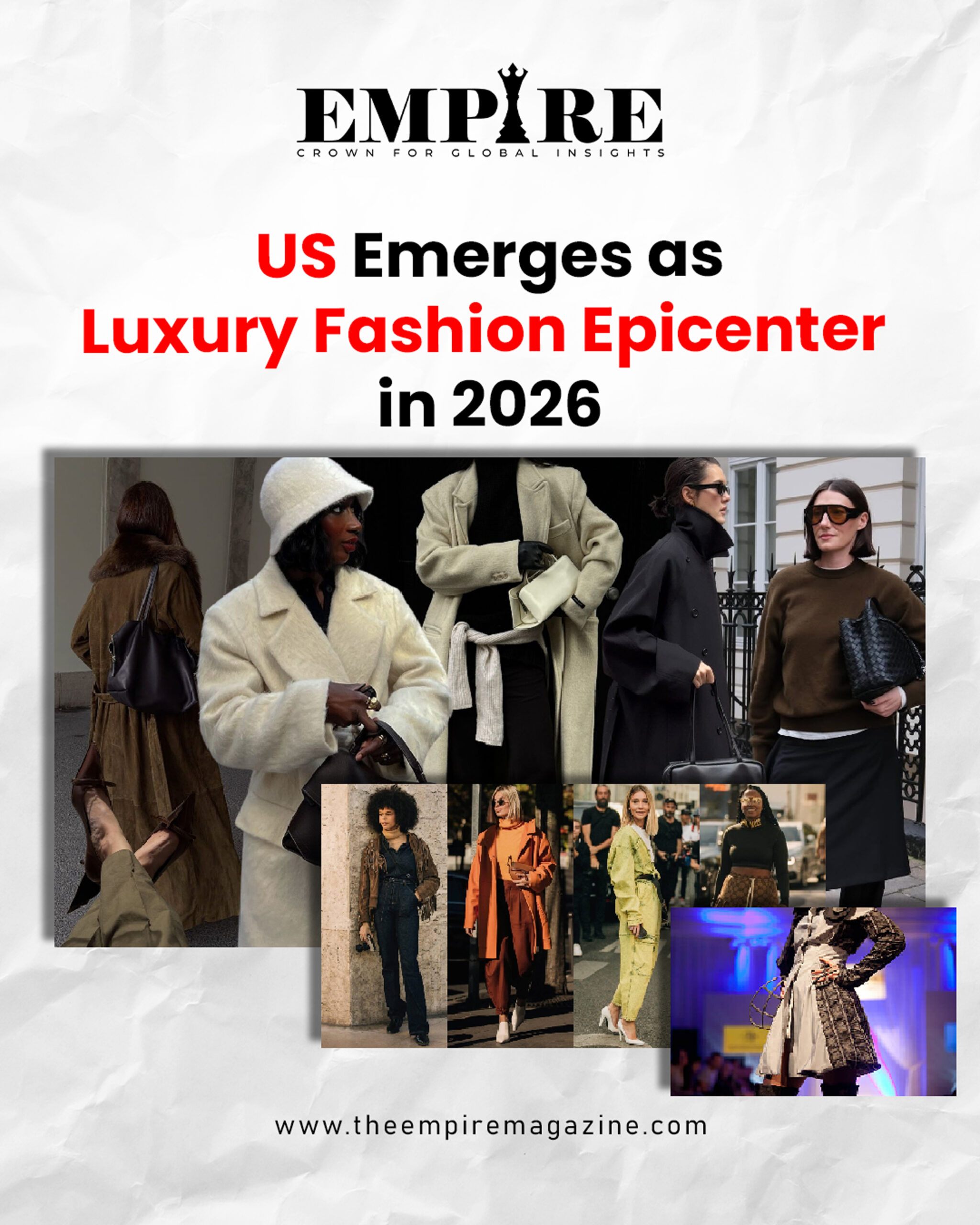
The United States has firmly established itself as the new epicenter of global luxury fashion in 2026. Major European luxury houses — Gucci, Louis Vuitton, Dior, and Moncler — are shifting their biggest shows and experiential events to American cities, signaling a major realignment in the luxury industry.
Major Luxury Shows Moving to the US
In a notable trend this year, several iconic brands have chosen the US for their flagship presentations:
- Gucci held its cruise 2027 collection in New York City, drawing significant attention with a star-studded runway show at the Metropolitan Museum of Art.
- Louis Vuitton staged a spectacular men’s show in Los Angeles, blending Hollywood glamour with its signature travel-inspired aesthetic.
- Dior presented its pre-fall collection in Miami, capitalizing on the city’s vibrant art and cultural scene.
- Moncler hosted a large-scale outdoor event in Aspen, Colorado, targeting the ultra-wealthy winter clientele.
This strategic shift reflects brands’ desire to be closer to their fastest-growing and most influential customer base.
Generational Shift: Millennials and Gen Z Leading Demand
Millennials and Gen Z now represent the dominant force in luxury consumption. These younger generations are reshaping the industry with their preferences:
- Experiential Luxury: Preference for unique events, personalized services, and memorable moments over pure ownership.
- Quiet Luxury & Authenticity: Growing demand for understated elegance and meaningful brand stories.
- Digital Natives: Heavy influence from social media, where they discover and validate luxury purchases.
- Value Consciousness: Interest in sustainability, ethical practices, and long-term investment pieces.
This generational transition has pushed luxury brands to innovate faster and localize their approach in the US market.
Hyper-Personalization Powered by AI
A key driver behind America’s rising importance is the rapid adoption of AI-powered hyper-personalization. US consumers are leading the demand for customized luxury experiences:
- Louis Vuitton and Gucci now offer AI-assisted virtual styling and made-to-order customization through their apps.
- Dior uses AI to analyze client preferences and suggest personalized product collections.
- Moncler has introduced AI-driven design tools allowing select clients to co-create limited-edition pieces.
This technology enables brands to deliver exclusive, one-of-a-kind experiences at scale — something that resonates strongly with wealthy American buyers who value individuality.
Why the US is Winning
Several factors are contributing to America’s emergence as the luxury capital:
- Strong wealth creation in technology, finance, and entertainment sectors.
- Resilient high-net-worth consumer spending compared to slower recovery in China.
- Cultural influence through Hollywood, music, and social media.
- Easier regulatory environment for large-scale events.
- Growing domestic manufacturing and customization capabilities.
While Europe remains important for heritage and production, the US is increasingly becoming the stage where luxury brands tell their stories and connect emotionally with global tastemakers.
Outlook for the Luxury Industry
The shift toward the US market is expected to continue through 2027. Brands that successfully blend European craftsmanship with American-scale personalization and experiential marketing are likely to lead the next phase of luxury growth.
With Millennials and Gen Z projected to drive over 50% of luxury spending by 2030, the brands investing heavily in the American market today are positioning themselves strongly for the future.
The United States is no longer just a major consumer market — it is rapidly becoming the creative and commercial heartbeat of global luxury fashion.
For more insights on luxury market trends and brand strategies, read our detailed coverage here: US as Luxury Epicenter 2026
Follow The Empire Magazine for more updates on luxury brands, fashion trends, and market shifts:
– The Empire Magazine
Crown For Global Insights