United States | Artificial Intelligence, E-Commerce & Business
Information checked on 6 October 2026.
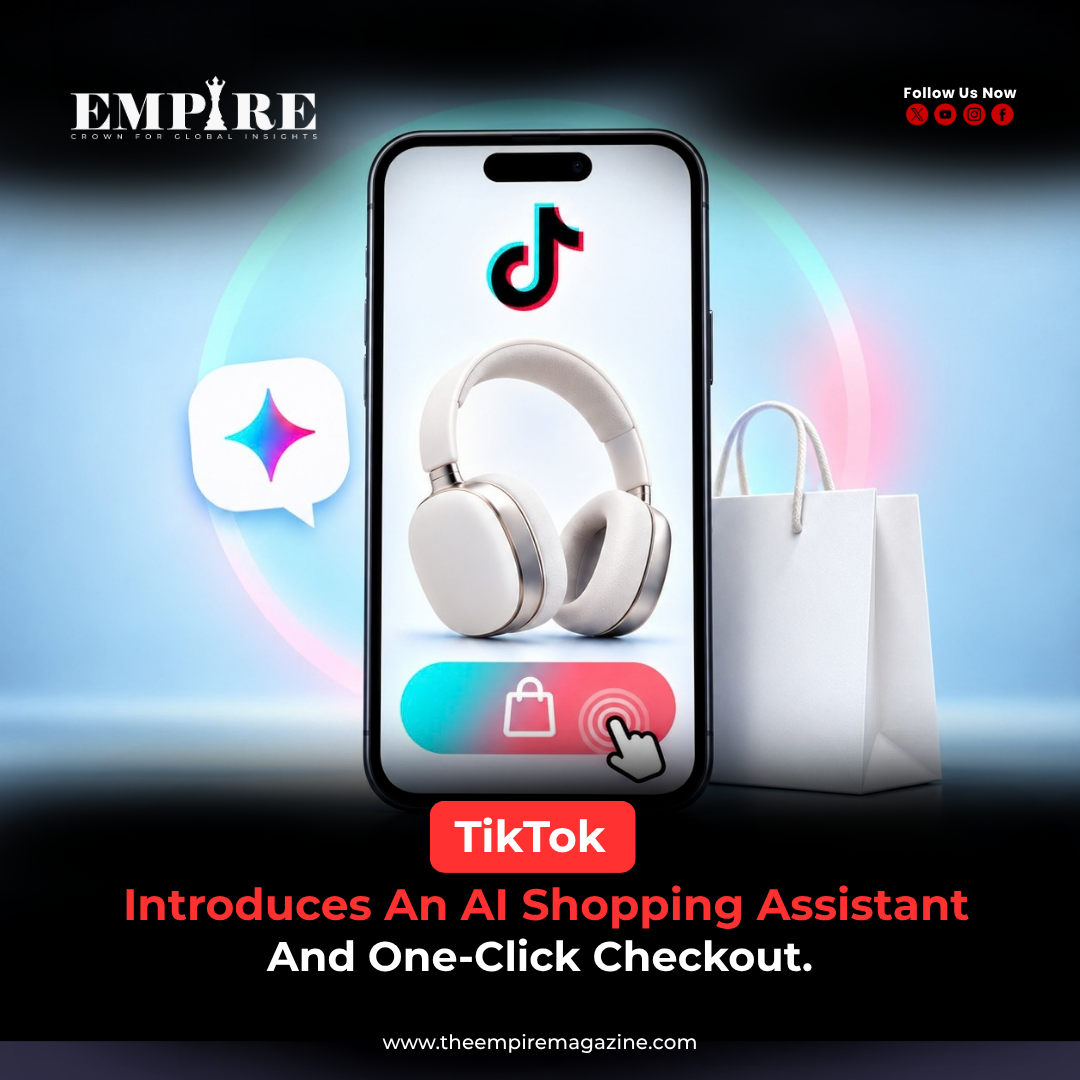
TikTok AI Shopping Assistant and Buy Direct are the latest additions to the platform’s commerce strategy. Announced on 5 October 2026 at Advertising Week New York, the tools combine conversational product guidance with a shorter route to purchasing directly from brands.
Access is currently offered through eligibility-based testing, according to TikTok’s advertiser guidance.
From a business perspective, the opportunity is straightforward: an appealing video can create interest, but a sale may still depend on answering a practical question. Helping someone make that decision could make advertising more useful to both the shopper and the seller.
How TikTok AI Shopping Assistant Works
TikTok says Shopping Assistant can follow conversational context and respond to questions about product specifications, sizes, stock and shipping.
Its business guidance describes a chat window on a product page inside TikTok’s browser. Answers draw on merchant-supplied information, and shoppers can proceed to the merchant’s checkout within that browser.
Consider someone interested in a desk lamp shown in a video. Before ordering, they might want to know whether its brightness is adjustable or whether it fits a particular workspace. A useful assistant would need to provide a precise answer supported by the product information.
This makes the quality of a retailer’s catalogue important. Incomplete specifications leave questions unresolved, while outdated information can create expectations that the delivered product fails to meet.
What Buy Direct Changes at Checkout
Buy Direct provides native checkout using saved payment methods and addresses, alongside order tracking inside the app. TikTok says the brand remains the merchant of record for these transactions.
For shoppers, fewer repeated entries could make an otherwise routine purchase easier. The experience still needs to make the selected item, total cost and delivery details understandable before an order is confirmed.
For retailers, the commercial question is whether simplifying this step produces additional, successfully fulfilled orders. A higher number of purchases would be less valuable if it also brought more cancellations, avoidable returns or customer-service work.
Those outcomes will matter when assessing the feature beyond its one-click description.
How the New Tools Build on TikTok Shop
TikTok already has an established shopping business. It announced the full US launch of TikTok Shop on 12 September 2023, bringing together tagged products in videos and livestreams, brand product showcases and a dedicated marketplace tab.
That launch also included an affiliate programme connecting creators with sellers, advertising tools and a logistics service under Fulfilled by TikTok.
This history matters because product discovery and in-app purchasing were already part of the platform. The latest announcement adds conversational assistance and another way for brands to complete transactions.
For a retailer, the choice of selling arrangement affects more than where a checkout button appears. Stock updates, order handling, customer support and reporting all need to fit the business’s existing processes.
A useful implementation should make those responsibilities easy for both the merchant and the customer to understand.
Why Commerce Integrations Matter
TikTok identifies Salesforce, Shopify, Shoplazza and Stripe among the partners supporting its new commerce experiences. Its guidance states that Buy Direct requires integration with the Universal Commerce Protocol, or UCP.
UCP is an open standard for communication between commerce systems, platforms and AI agents. Its documented capabilities cover functions including product discovery, cart management, checkout and order management.
The practical purpose is to give different systems an agreed way to exchange information and handle transactions. A conversation about buying something eventually needs to connect with the systems that hold its price, availability and order details.
Shopify’s description of the protocol also covers extensions for requirements such as discounts and fulfilment rules. These details matter because a retailer’s checkout may involve conditions that a simple product recommendation cannot resolve.
The protocol’s broader capabilities should be distinguished from the features enabled in any particular TikTok implementation. Participating businesses will need to confirm what their integration actually supports.
TikTok’s Economic Impact Provides Context
The announcement follows the release of PF Global’s 2026 TikTok U.S. Economic Impact Report on 1 October.
The research estimates that activity supported by TikTok contributed $81 billion to US GDP and supported 410,000 jobs in 2025.
The study’s published methodology describes a combination of economic analysis, surveys, case studies and qualitative research. Its surveys included 11,123 US adults and 5,101 businesses, with respondents recruited independently of TikTok.
These findings provide context for the platform’s role in business discovery and customer acquisition. They describe a much wider range of activity than purchases made through a particular checkout feature.
They also concern the period before the latest tools were announced. Assessing Shopping Assistant and Buy Direct will require evidence about their own adoption and results.
What Retailers Should Measure During Testing
For businesses considering these tools, the most useful evaluation would connect the shopper’s experience with the economics of the resulting orders.
| Area | Useful evidence |
|---|---|
| Answer quality | Whether responses match current product information and resolve the question |
| Purchase completion | Whether more interested shoppers successfully finish their orders |
| Order quality | Changes in cancellations, returns and complaints |
| Commercial performance | Margin after advertising, payment, delivery and service costs |
| Repeat use | Whether customers return and buy again |
These are suggested assessment measures, rather than outcomes established by the announcement.
A careful trial would also compare similar products and customer groups. A popular seasonal item or a major discount could lift sales independently of an AI assistant, making a simple before-and-after comparison misleading.
Customer feedback can help explain the numbers. Shoppers may complete an order quickly while still finding the product explanation unclear, or they may appreciate the assistance without buying immediately.
What Comes Next for TikTok’s AI Commerce Strategy
TikTok directs interested advertisers to their sales partners to discuss eligibility, testing opportunities and setup. The published guidance does not establish universal availability or a timetable for every market.
The next meaningful evidence will come from how these experiences perform in ordinary transactions.
For shoppers, a successful service would provide dependable answers and a clear path through payment, delivery and support. For brands, it would generate sustainable customer relationships on workable terms.
TikTok’s opportunity is to make the connection between an engaging video and a satisfactory purchase more dependable. That will require accurate information and reliable order handling alongside a faster interface.
Explore more global business, technology and innovation coverage in The Empire Magazine’s article archive.
Read our related coverage : schneider-electric-ptc-acquisition/
Follow The Empire Magazine:
Facebook | Instagram
The Empire Magazine | Crown For Global Insights