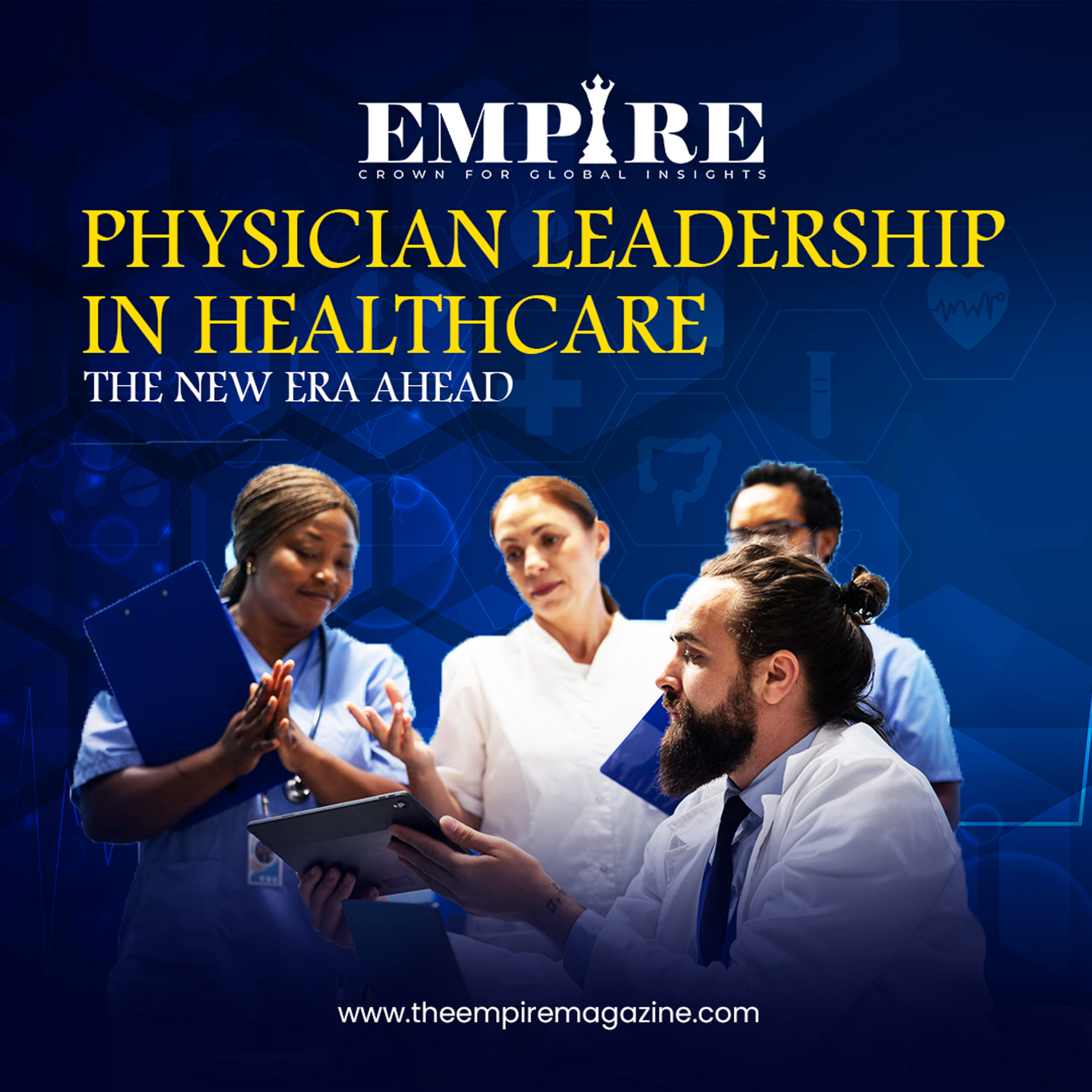
Physician Leadership in Healthcare: The New Era Ahead
Introduction: A Turning Point for Modern Medicine
The world changed dramatically after the COVID nineteen pandemic. Healthcare systems were tested, hospitals were overwhelmed, and communities looked to medical professionals not only for treatment but for direction. In this critical moment, doctors stepped beyond clinical responsibilities and into leadership roles.
Today, Physician Leadership in Healthcare is no longer optional. It has become essential. Physicians are shaping hospital systems, influencing policy, driving innovation, and guiding public health conversations. As we move deeper into 2025, the role of the doctor has expanded from healer to strategic leader.
This shift marks a new era in global healthcare.
The Evolution of Physician Leadership
Traditionally, physicians focused on diagnosing illness and treating patients. Administrative and executive decisions were often handled by non-clinical managers. However, the pandemic revealed a significant gap between management decisions and frontline realities.
Hospitals needed leaders who understood both patient care and system operations. Physician leaders emerged as the bridge between medicine and management. They guided emergency protocols, restructured care delivery, implemented telehealth systems, and communicated scientific information to the public with credibility.
Now, Physician Leadership in Healthcare represents a model where doctors participate actively in shaping organizational strategy, financial planning, technology adoption, and patient-centered reforms.
Why Physician Leadership Matters More Than Ever
Healthcare today is more complex than ever before. Chronic diseases are rising. Populations are aging. Digital transformation is accelerating. Climate change is impacting public health.
In such a dynamic environment, leadership without clinical insight can lead to disconnected decisions. Physicians bring firsthand experience of patient needs, workflow challenges, and ethical considerations.
When physicians sit at executive tables:
• Policies reflect real patient care conditions
• Technology investments align with clinical priorities
• Operational decisions improve safety and efficiency
• Innovation remains human-centered
The presence of doctors in leadership roles strengthens trust within institutions and communities. Patients feel reassured when healthcare decisions are guided by those who understand medical realities deeply.
Key Traits of Effective Physician Leaders
Modern Physician Leadership in Healthcare demands more than medical knowledge. It requires a balanced skill set that blends compassion with strategy.
Emotional Intelligence
Healthcare is emotionally intense. Leaders must empathize with patients, staff, and communities while managing crises calmly.
Systems Thinking
Effective physician leaders understand how departments, technologies, finances, and people interact within a healthcare ecosystem.
Strategic Decision Making
They evaluate risks, manage resources wisely, and plan for long-term sustainability.
Adaptability
Digital transformation, artificial intelligence, and telemedicine require leaders who are open to innovation.
Mentorship
Strong physician leaders cultivate future talent, ensuring that the next generation of doctors are prepared to lead as well as heal.
These qualities define the new standard of leadership in medicine.
Where Physician Leaders Are Making an Impact
Physicians are expanding their influence beyond hospital wards.
Hospital Administration
Many doctors now serve as Chief Medical Officers, department heads, and board members. They shape safety protocols, oversee quality control, and lead performance improvements.
Public Health Policy
Physicians are advising governments on vaccination strategies, disease prevention, and health equity initiatives. Their scientific expertise strengthens policy decisions.
Digital Health and AI
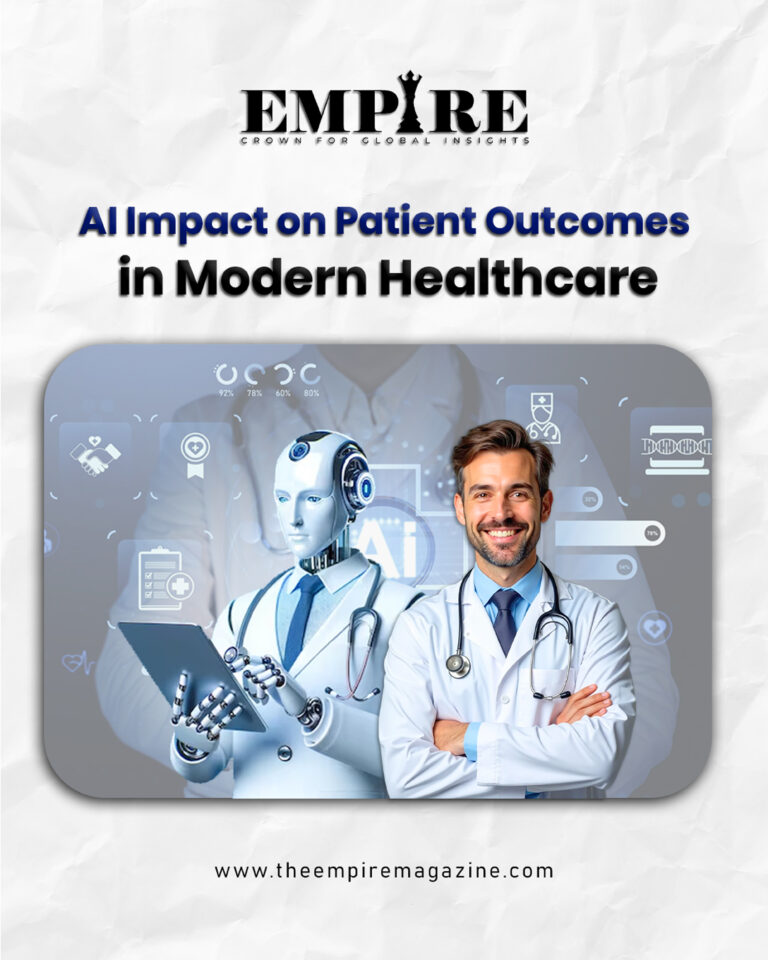
Artificial intelligence in hospitals is rapidly growing. Physician leaders ensure that technology enhances care rather than replaces human judgment. They collaborate with engineers and innovators to develop ethical and clinically sound systems.
Medical Education
Doctors are redesigning medical curricula to include leadership training, communication skills, and digital literacy. This ensures sustainable growth of leadership capacity.
Global Health Collaboration
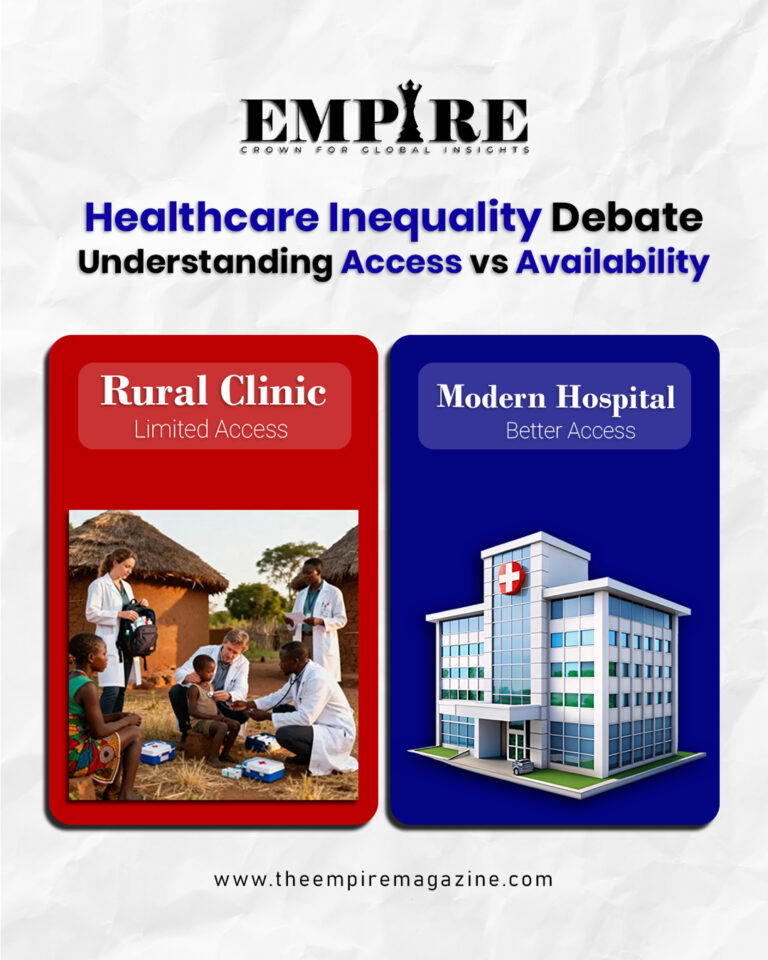
Across continents, physician leaders are working together to address infectious diseases, mental health crises, and access disparities.
Challenges Facing Physician Leadership
Despite its importance, Physician Leadership in Healthcare faces obstacles.
Many doctors experience burnout when balancing clinical duties with administrative roles. Leadership training is not traditionally part of medical education, leaving gaps in management knowledge. Institutional resistance and bureaucratic systems can also limit innovation.
To overcome these barriers, healthcare organizations must invest in leadership development programs. Providing structured mentorship, executive education, and protected time for leadership roles can create sustainable models.
Institutions that empower physician leaders tend to experience stronger teamwork, higher patient satisfaction, and better operational outcomes.
The Future of Physician Leadership
Looking ahead to 2030, physician leadership will continue to evolve. Artificial intelligence will support diagnostics and predictive analytics, but physicians will guide ethical implementation. Hybrid roles will become common, combining clinical practice, research, technology development, and executive leadership.
Health equity will become a central metric of leadership success. Leaders will be evaluated not only by financial performance but by how effectively they serve underserved populations.
Most importantly, patient partnerships will redefine leadership. Future physician leaders will collaborate more closely with patients, valuing feedback and co-creating solutions.
– The Empire Magazine
Crown For Global Insights