Hospitality Industry Trends 2026: Future of Travel
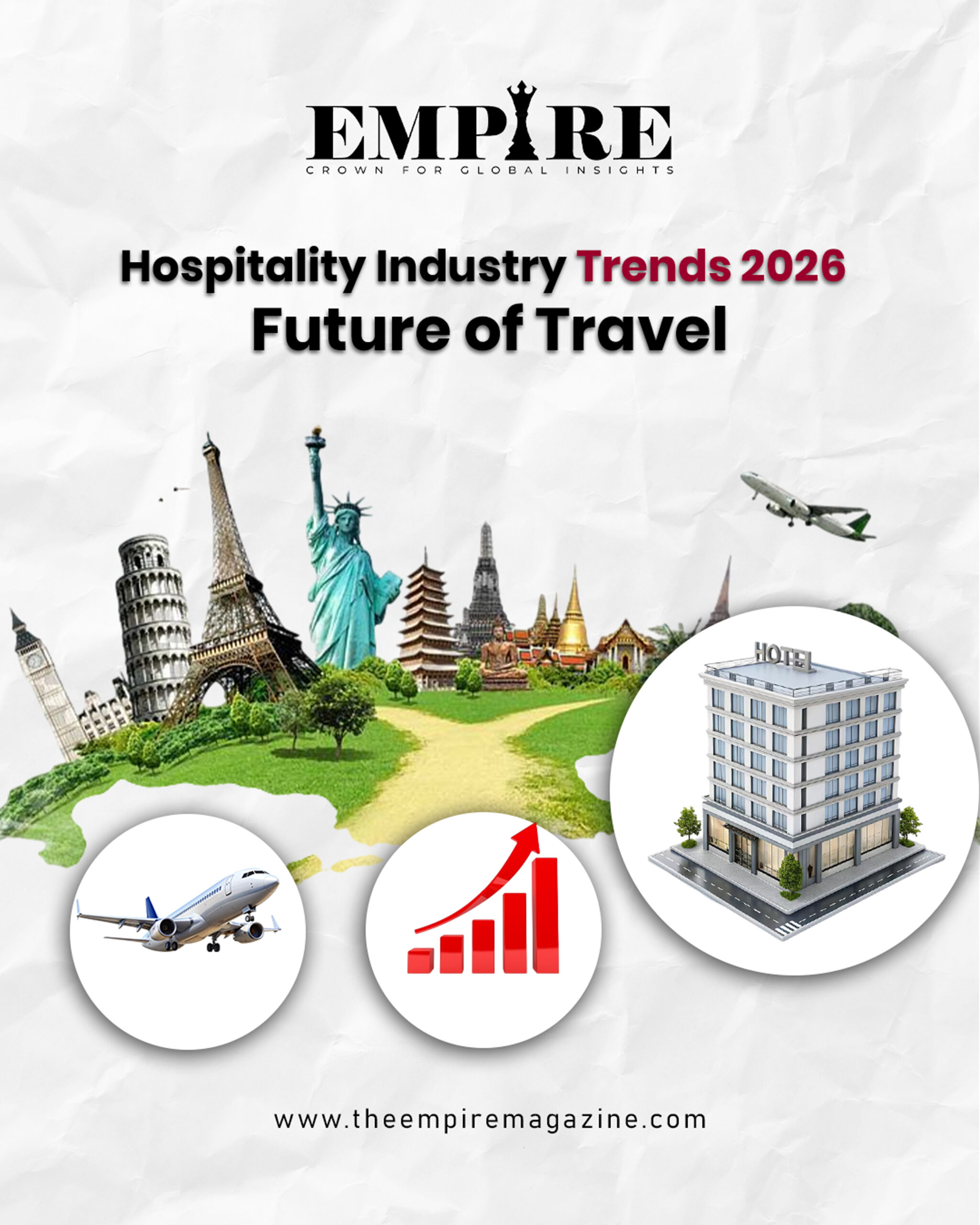
Hospitality Industry Trends 2026 are redefining how hotels, restaurants, and travel businesses operate in a rapidly evolving global environment. As guest expectations rise and technology advances, the industry is moving beyond traditional service models into a new era driven by innovation, personalization, sustainability, and human connection. Businesses that adapt to these changes will not only survive but thrive in an increasingly competitive market.
The hospitality sector is entering 2026 with a mix of challenges and opportunities. While some segments such as luxury travel are experiencing strong growth, others like economy accommodations are facing declining demand. At the same time, the global hospitality market continues to expand, signaling long-term potential for businesses that can innovate effectively.
The Changing Landscape of Hospitality
In 2026, the hospitality industry is no longer just about providing accommodation or food services. It has become an ecosystem focused on delivering memorable and meaningful experiences. Guests now expect personalized services, seamless digital interactions, and a strong alignment with their values, including sustainability and well-being.
Operational efficiency is also under pressure, as businesses face rising costs, staffing shortages, and changing travel patterns. To address these challenges, hospitality leaders are investing heavily in technology, workforce development, and new service models.
AI Is Transforming Hospitality Operations
One of the most important Hospitality Industry Trends 2026 is the widespread adoption of artificial intelligence. AI is being used across multiple areas, including revenue management, customer service, marketing, and operations.
Hotels are leveraging AI to analyze customer data and predict demand, allowing them to adjust pricing dynamically. This helps maximize revenue while offering competitive rates to guests. AI-powered chatbots are also becoming common, handling routine customer inquiries and freeing staff to focus on more complex tasks.
Another major benefit of AI is operational efficiency. Smart systems can optimize energy usage, manage housekeeping schedules, and predict maintenance issues before they occur. This reduces costs while improving service quality.
At the same time, AI is enhancing the guest experience. By analyzing preferences and behavior, businesses can offer personalized recommendations, from room selection to dining options. However, while AI brings efficiency, it must be balanced with the human touch that defines hospitality.
The Rise of Human-Centric Leadership
While technology is transforming operations, people remain at the heart of hospitality. This makes human-centric leadership another key Hospitality Industry Trends 2026.
The industry has long struggled with high employee turnover and workforce shortages. In response, companies are focusing more on employee well-being, job satisfaction, and workplace culture. Leaders are recognizing that happy employees deliver better service, which directly impacts guest satisfaction.
Human-centric leadership emphasizes empathy, transparency, and support. It encourages open communication and creates an environment where employees feel valued and motivated. Flexible schedules, mental health support, and opportunities for growth are becoming essential components of modern hospitality workplaces.
This approach is particularly important for attracting younger talent, who prioritize purpose and work-life balance. However, it benefits employees of all generations, making it a universal strategy for improving retention and performance.
Regenerative Hospitality and Sustainability
Sustainability continues to play a major role in shaping Hospitality Industry Trends 2026, but the focus is shifting from simply reducing harm to creating positive impact. This concept, known as regenerative hospitality, goes beyond traditional sustainability practices.
Instead of only minimizing waste and emissions, regenerative hospitality aims to contribute positively to local communities and ecosystems. This can include supporting local businesses, promoting cultural experiences, and investing in environmental restoration projects.
Travelers are increasingly aware of environmental and social issues, and many prefer brands that align with their values. This creates an opportunity for hospitality businesses to differentiate themselves through responsible practices.
In the food and beverage sector, sustainable sourcing, waste reduction, and transparency are becoming critical. New technologies such as blockchain are also being explored to improve traceability and ensure product quality.
While implementing these practices can be challenging, especially for smaller businesses, they offer long-term benefits such as cost savings, brand loyalty, and resilience against future disruptions.
The Demand for Transformative Experiences
Another defining feature of Hospitality Industry Trends 2026 is the growing demand for transformative experiences. Guests are no longer satisfied with passive services; they want to engage, learn, and create lasting memories.
Experiences are becoming the main reason people travel. From wellness retreats and cultural workshops to immersive dining and entertainment events, hospitality businesses are finding new ways to engage guests.
Technology also plays a role in enhancing these experiences. Virtual reality, interactive displays, and sensory marketing techniques are being used to create unique and memorable environments.
However, the most important element remains human interaction. Genuine connections, storytelling, and personalized service are what truly make an experience unforgettable.
Businesses can capitalize on this trend by collaborating with local partners, offering curated experiences, and designing services that encourage guest participation.
Balancing Technology and Human Connection
A key takeaway from Hospitality Industry Trends 2026 is the need to balance innovation with authenticity. While technology can improve efficiency and personalization, it cannot replace the emotional aspect of hospitality.
Guests value genuine interactions and meaningful connections. Therefore, the most successful businesses will be those that use technology to support, rather than replace, human service.
This balance is essential for building trust, loyalty, and long-term relationships with customers.
The Future of Hospitality
Looking ahead, the hospitality industry will continue to evolve as new technologies emerge and consumer expectations change. Businesses that remain flexible, innovative, and customer-focused will be best positioned to succeed.
Investment in AI, employee well-being, sustainability, and experience design will define the next phase of growth. At the same time, maintaining the core values of hospitality—care, empathy, and service—will remain essential.
To explore more insights on global trends and innovation, visit:
https://theempiremagazine.com/?p=5637
Follow us for more insights:
Instagram: https://www.instagram.com/the_empire_magazine/
Facebook: https://www.facebook.com/profile.php?id=61573749076160
– The Empire Magazine
Crown For Global Insights