Future of Medicine
Future of Medicine is being shaped at the powerful intersection of science, data, and advanced technology. In today’s rapidly evolving healthcare landscape, the integration of computational biology, artificial intelligence, genomics, and digital platforms is fundamentally transforming how diseases are understood, prevented, and treated.
The boundaries that once separated laboratory research, clinical care, and data science are dissolving. Medicine is no longer reactive and generalized. It is becoming predictive, personalized, and deeply data-driven. The Future of Medicine is not just about innovation—it is about redefining the very structure of healthcare systems worldwide.
Breaking Silos Through Interdisciplinary Science
For decades, medical research functioned in silos. Biology, chemistry, and clinical practice often operated independently. However, human health is complex and interconnected, demanding a systems-based approach.
Systems biology now integrates computational models, biological knowledge, and mathematical analysis to examine entire biological networks rather than isolated genes or proteins. This holistic method enables researchers to identify how disruptions in one pathway influence others.
Genomics represents one of the most transformative forces in the Future of Medicine. The sequencing of the human genome marked a pivotal moment in medical history. Yet, its real power emerged when genomic data merged with machine learning and bioinformatics. Today, clinicians can assess genetic predispositions, tailor drug therapies, and predict disease risk with unprecedented accuracy.
Interdisciplinary collaboration is no longer optional—it is foundational to modern healthcare advancement.
Artificial Intelligence as a Clinical Partner
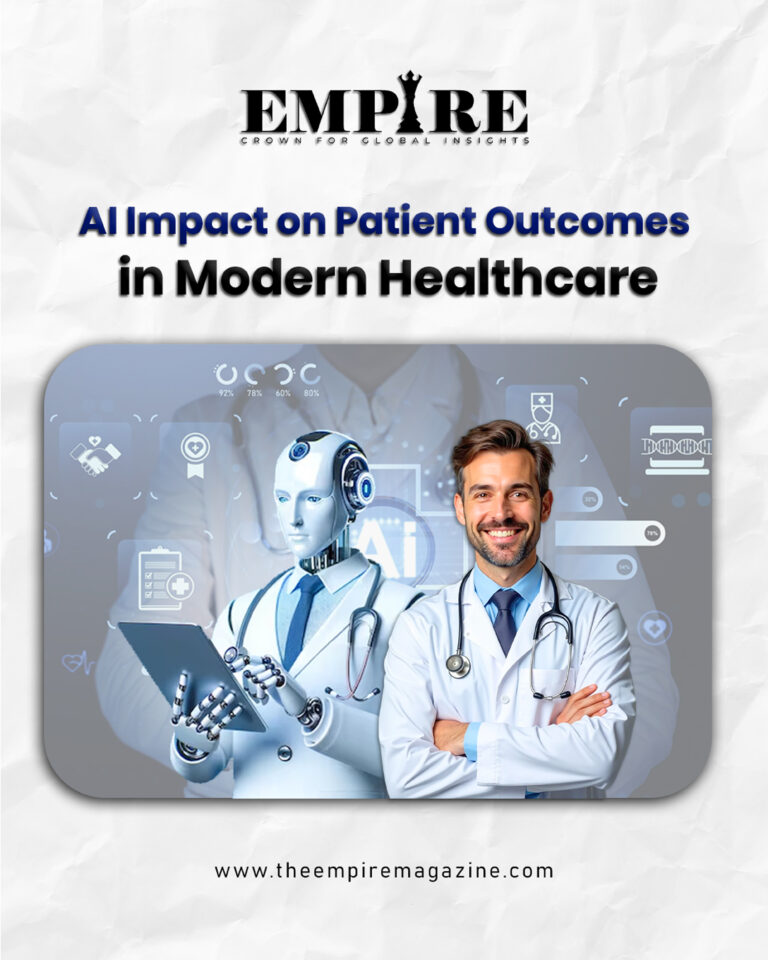
Artificial Intelligence has become central to the Future of Medicine. AI-powered systems analyze imaging scans, electronic health records, and laboratory results at speeds that surpass human capability. In oncology, algorithms assist in detecting early-stage tumors. In cardiology, predictive models identify subtle irregularities before symptoms escalate.
AI enhances diagnostic precision while reducing administrative burden. Physicians can devote more time to patient interaction and complex clinical reasoning.
However, responsible implementation remains essential. AI models must be trained on diverse datasets to avoid bias. Transparency and ethical oversight ensure that technological progress supports equitable care delivery.
For further insight into innovation shaping global healthcare leadership, explore this discussion:
https://theempiremagazine.com/?p=5215
Revolutionizing Drug Discovery
The pharmaceutical industry is undergoing dramatic change as part of the Future of Medicine. Traditional drug development often required more than a decade of research and substantial financial investment. Today, AI-driven simulations analyze molecular interactions and identify promising compounds far more efficiently.
These technologies predict binding behaviors, flag potential side effects, and optimize clinical trial design. During public health emergencies, accelerated drug discovery has proven life-saving.
Beyond speed, data-driven research improves success rates. Biomarker analysis helps determine which patients will benefit most from specific therapies, reducing costly late-stage failures.
Digital acceleration is redefining how new medicines reach patients.
Digital Health and Remote Monitoring
Another transformative element of the Future of Medicine is the expansion of digital health platforms. Telemedicine enables remote consultations, breaking geographic barriers and improving access for rural and underserved communities.
Wearable devices monitor vital signs in real time, transmitting data directly to healthcare providers. Continuous monitoring enables earlier interventions and more personalized treatment plans.
Cloud-based systems facilitate secure sharing of medical records, improving care coordination and reducing duplication. Healthcare is becoming participatory, empowering patients to take greater control of their well-being.
Ethics and Human Responsibility
As medicine becomes increasingly data-centric, ethical considerations become more complex. Questions about data ownership, genetic privacy, and algorithmic accountability must be addressed proactively.
The Future of Medicine demands robust governance frameworks that safeguard patient rights and ensure transparency. Data security, informed consent, and equitable access are non-negotiable principles.
Equally important is preserving the human dimension of care. No algorithm can replace empathy, compassion, or moral judgment. The most effective healthcare model combines human expertise with machine intelligence.
Technology should amplify, not replace, the human connection at the heart of medicine.
Expanding Global Health Equity
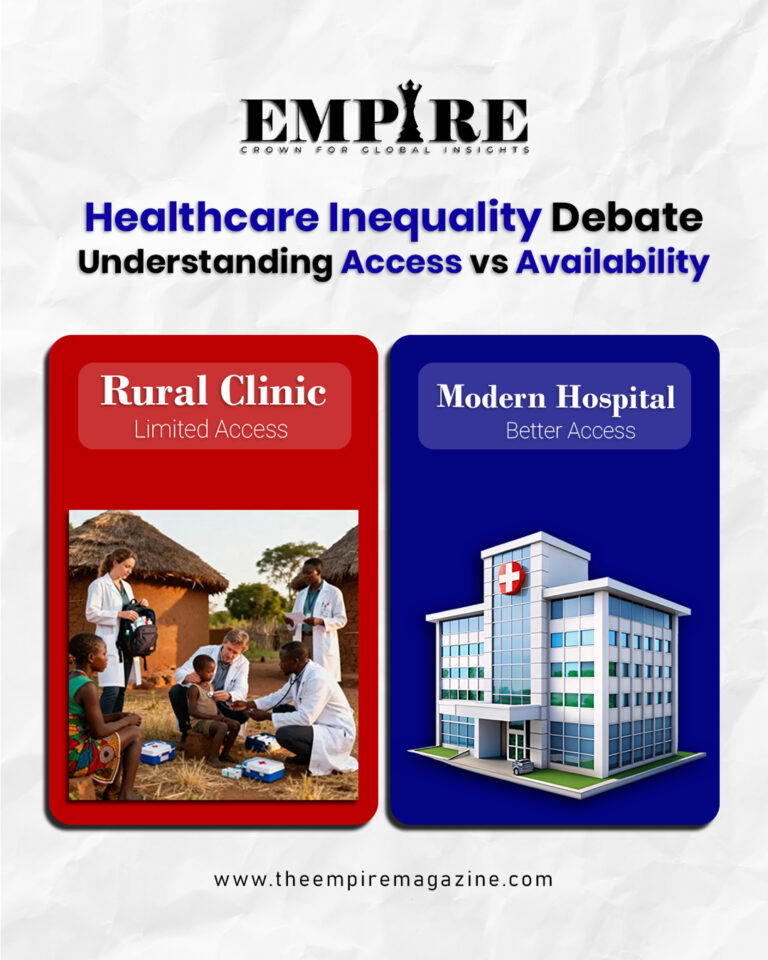
A critical challenge within the Future of Medicine is ensuring that technological advancements benefit all populations. High-tech innovations often emerge in well-funded environments, risking disparities in access.
To prevent inequality, collaboration across governments, healthcare providers, and technology companies is essential. Scalable digital platforms and inclusive policy design can help extend innovations to underserved regions.
Healthcare transformation must prioritize accessibility and affordability alongside technological sophistication.
Looking Ahead
The Future of Medicine envisions a healthcare ecosystem that is predictive, precise, and preventative. Diseases may be detected before symptoms arise. Treatments will be tailored to individual biology. Healthcare systems will shift from crisis response to continuous wellness management.
Collaboration between scientists, clinicians, technologists, and policymakers will determine how effectively this vision becomes reality. Innovation must be balanced with ethical responsibility to ensure that progress leads to healthier, more equitable societies.
The convergence of science, data, and technology is reshaping medicine—but its ultimate mission remains unchanged: to heal, to serve, and to protect human life.
– The Empire Magazine
Crown For Global Insights