Future of Experiential Marketing in 2026 and Beyond
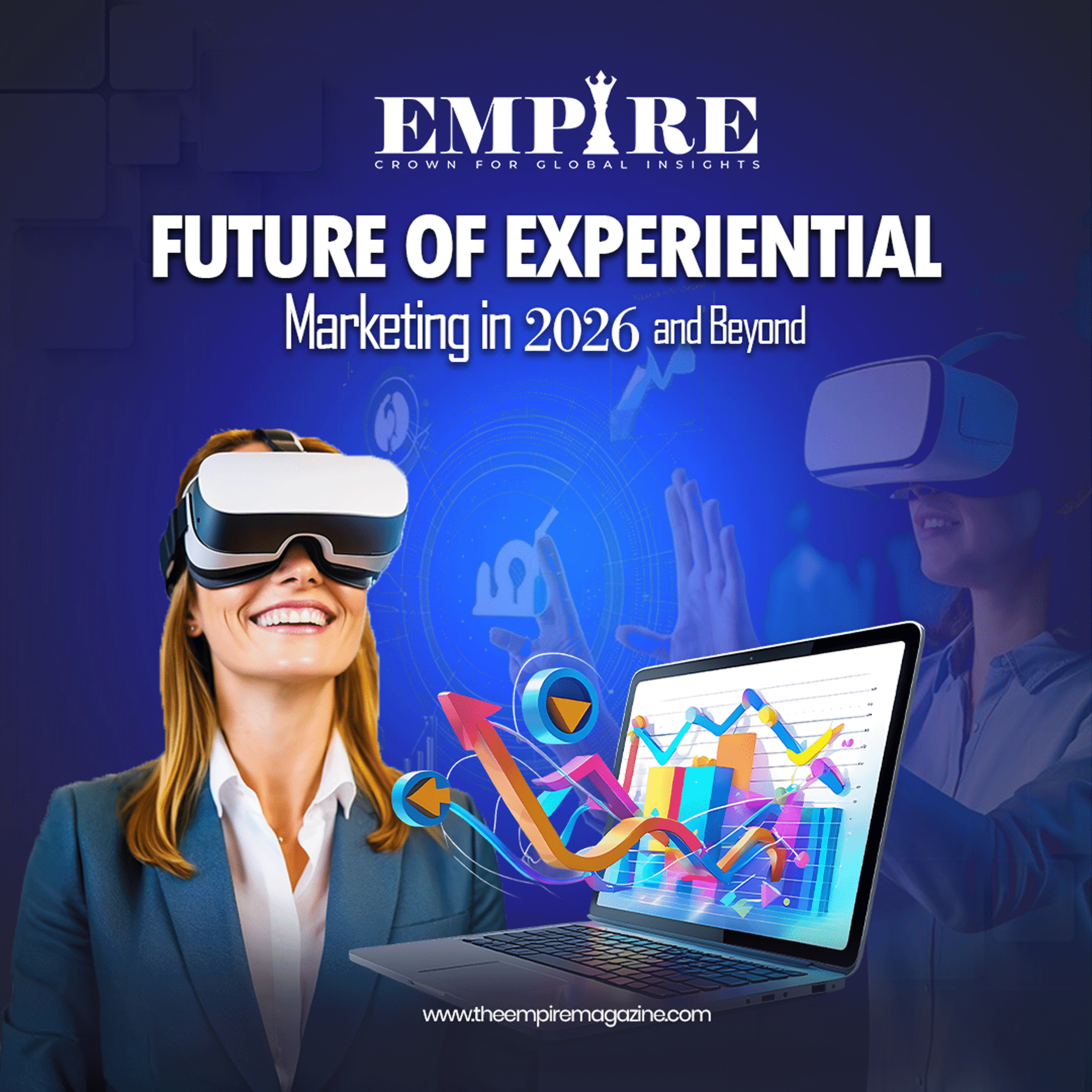
The Future of Experiential Marketing is redefining how brands connect with people. In a world saturated with digital ads, notifications, and endless scrolling, consumers no longer respond to traditional messages alone. They crave immersion, authenticity, and meaningful engagement. Experiential marketing, once seen as an extension of event promotion, is now becoming the center of modern brand strategy.
As we step into 2026 and beyond, brands must move beyond awareness campaigns and create experiences that leave a lasting emotional impact. The future belongs to those who understand that engagement is not about impressions — it is about connection.
From Exposure to Experience
Marketing once focused on visibility. The goal was to reach as many people as possible. Today, the Future of Experiential Marketing prioritizes depth over breadth. Brands want consumers to feel something, not just see something.
Experiential marketing allows people to interact with a brand physically or digitally. Instead of reading about a product, they test it. Instead of watching a video, they participate in a story. This shift reflects changing expectations. Modern consumers want to be involved.
The emotional memory created through experience lasts longer than any advertisement.
Hybrid Experiences Become the Norm
The pandemic accelerated digital adoption, and that transformation remains permanent. The Future of Experiential Marketing lies in hybrid experiences that combine physical presence with digital reach.
Events in 2026 will no longer be limited by geography. A product launch may host a live audience while offering immersive virtual participation worldwide. Digital attendees will access exclusive content, interact with speakers, and participate in real-time polls.
Hybrid models increase accessibility and inclusivity. They also allow brands to collect valuable data, improving personalization and long-term engagement.
Personalization at Scale
Consumers expect relevance. With artificial intelligence and advanced analytics, personalization is becoming seamless. The Future of Experiential Marketing integrates personalization into every touchpoint.
At events, wearable devices or mobile apps can guide participants toward sessions aligned with their interests. Retail pop-ups can adjust recommendations based on browsing behavior. Digital installations can respond to individual preferences in real time.
Personalization enhances connection. It makes each participant feel seen and valued rather than treated as part of a crowd.
Sustainability as a Strategic Priority
Environmental awareness continues to shape consumer decisions. The Future of Experiential Marketing must align with sustainability.
Brands are reducing event waste, adopting renewable energy solutions, and using recyclable materials. Sustainable experiences demonstrate responsibility and strengthen brand trust.
Consumers are increasingly loyal to brands that reflect their values. Authentic sustainability initiatives will differentiate leading companies in 2026 and beyond.
Artificial Intelligence Enhancing Creativity
Artificial intelligence is transforming experiential design. AI can analyze audience reactions, predict engagement trends, and adjust experiences dynamically. The Future of Experiential Marketing is powered by intelligent systems that enhance creativity.
AI-driven chatbots assist event attendees. Recommendation engines suggest personalized interactions. Real-time analytics help marketers measure emotional impact and refine campaigns instantly.
To explore how advanced digital strategies are shaping brand innovation, read our related feature:
https://theempiremagazine.com/?p=5300
AI does not replace human creativity. It strengthens it by providing deeper insight into audience behavior.
Immersive Technologies Go Mainstream
Virtual reality and augmented reality are becoming accessible tools rather than futuristic concepts. The Future of Experiential Marketing includes immersive storytelling that transports audiences into brand worlds.
Consumers can explore virtual showrooms, experience product simulations, or participate in interactive games. These immersive journeys strengthen emotional connection and enhance memory retention.
As hardware becomes more affordable and platforms more advanced, immersive campaigns will become central rather than experimental.
Community-Centric Engagement
One-time campaigns are giving way to long-term communities. The Future of Experiential Marketing focuses on belonging rather than transactions.
Brands are creating online platforms where event participants continue interacting after campaigns end. Pop-up events transform into digital communities that sustain engagement year-round.
Community engagement builds loyalty because it gives people a sense of identity and inclusion.
Emotion-Driven Storytelling
At its core, experiential marketing is storytelling. The Future of Experiential Marketing amplifies emotional narratives that inspire action.
Interactive installations, immersive performances, and participatory art experiences allow consumers to step into brand stories. Emotional engagement builds stronger bonds than transactional messaging.
In 2026, brands will prioritize authenticity and purpose-driven narratives. Consumers connect with stories that reflect their values and aspirations.
Blurring the Line Between Entertainment and Marketing
Marketing and entertainment are merging. The Future of Experiential Marketing increasingly resembles live cultural experiences rather than promotional events.
Music festivals, gaming events, art installations, and sports experiences integrate brand storytelling naturally. Campaigns feel like entertainment rather than advertisements.
Consumers respond positively when marketing enhances rather than interrupts their experiences.
Leadership in Experiential Innovation
Organizations must view experiential marketing as a strategic investment rather than a promotional expense. Leadership teams must align creative strategy with technological capability and data insights.
The Future of Experiential Marketing requires cross-functional collaboration between marketing, technology, design, and analytics teams. When these departments align, campaigns become cohesive, measurable, and impactful.
– The Empire Magazine
Crown For Global Insights