Cuba Oil Crisis 2026: A Nation Struggles for Energy Stability
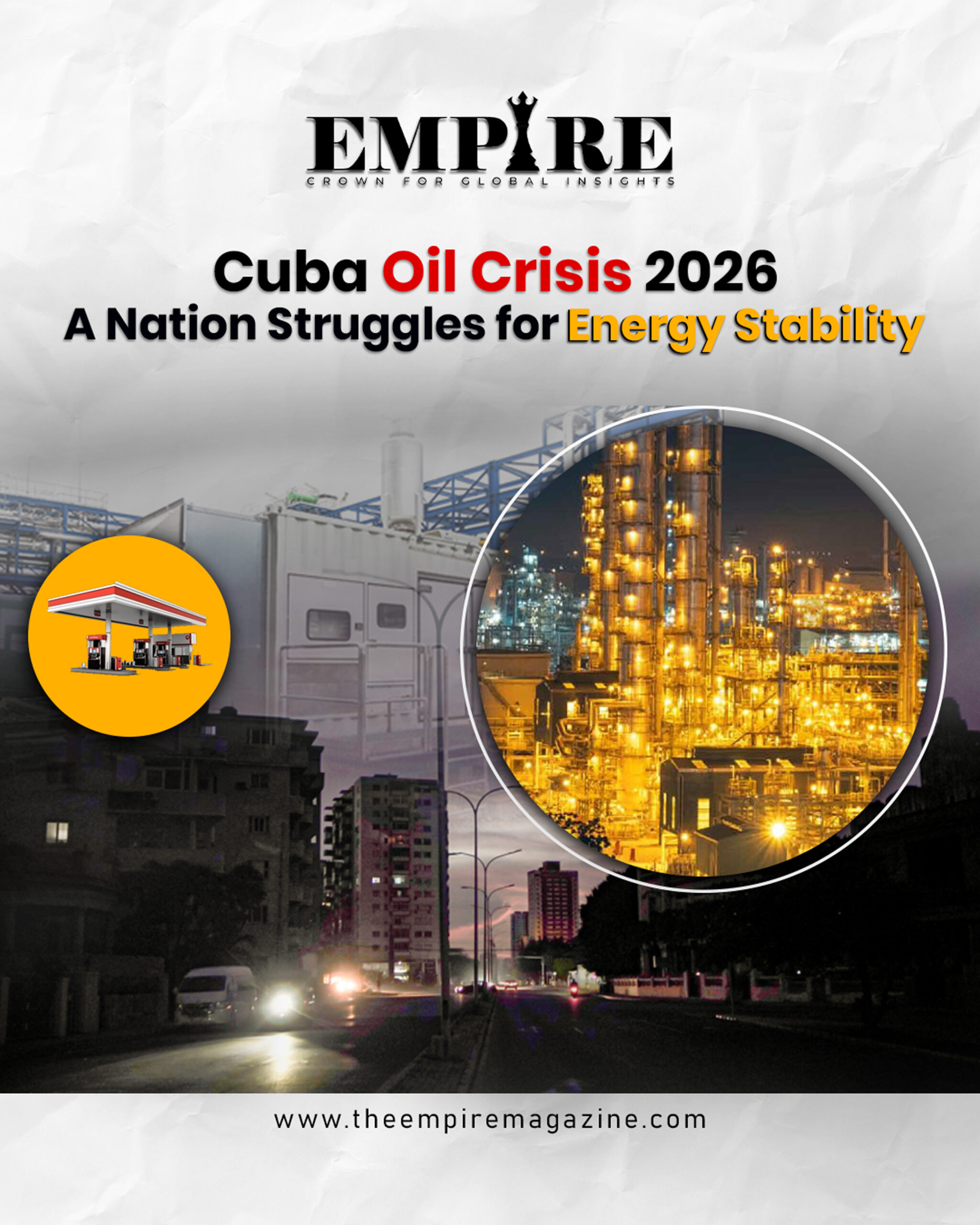
The Cuba Oil Crisis 2026 has reached a critical stage as the island nation continues to face severe fuel shortages, widespread blackouts, and economic instability. In a significant development, a Russian oil tanker has arrived near Cuban waters, bringing much-needed relief to a country grappling with one of its worst energy crises in decades.
This shipment marks the first major oil delivery to Cuba in months, offering a temporary lifeline amid ongoing geopolitical tensions and economic challenges.
Russian Oil Shipment Offers Temporary Relief | Cuba Oil Crisis 2026
A Russian tanker carrying approximately 100,000 tonnes of crude oil has reached Cuba, providing a much-needed boost to the country’s strained energy supply. The shipment has been described as humanitarian support, reflecting the urgency of Cuba’s situation.
With fuel reserves running critically low, this delivery is expected to help stabilize electricity generation and reduce the frequency of nationwide blackouts—at least in the short term.
The oil is set to be offloaded at key infrastructure points, where it will be used to support power plants and essential services.
Impact of US Policy Shift | Cuba Oil Crisis 2026
The arrival of the tanker comes shortly after a notable shift in stance from the United States. Recent remarks from leadership indicated a willingness to allow countries, including Russia, to supply oil to Cuba.
This change appears to signal a softening of the strict measures that had effectively limited Cuba’s access to fuel since early 2026. While it is not entirely clear whether this represents a long-term policy change or a temporary adjustment, the timing has provided immediate relief to Cuba.
The previous restrictions had significantly disrupted Cuba’s energy supply chain, worsening an already fragile economic situation.
Fuel Shortages and Nationwide Blackouts
The Cuba Oil Crisis 2026 has had a direct impact on daily life across the country. With limited fuel supplies, electricity generation has been severely affected, leading to frequent blackouts.
These power outages have disrupted:
- Hospitals and healthcare services
- Public transportation systems
- Industrial operations
- Daily household activities
In some areas, petrol stations have remained closed due to a lack of fuel, further complicating mobility and economic activity.
The energy crisis has exposed vulnerabilities in Cuba’s reliance on imported fuel, highlighting the need for long-term solutions.
Collapse of Key Oil Supply Arrangements | Cuba Oil Crisis 2026
One of the major factors behind the crisis is the disruption of Cuba’s traditional oil supply sources. For years, Cuba relied heavily on imports from allied nations, particularly under preferential agreements.
However, recent geopolitical developments have interrupted these arrangements, leaving Cuba without a steady supply of fuel. The absence of these shipments has led to a rapid decline in fuel reserves and increased pressure on the country’s energy infrastructure.
This sudden disruption has made it difficult for the government to maintain stable electricity production and essential services.
Healthcare System Under Pressure
The fuel shortage has had serious consequences for Cuba’s healthcare system. Hospitals have struggled to maintain critical operations due to unreliable power supply.
Emergency and intensive care services have been particularly affected, as consistent electricity is essential for life-saving equipment. The situation has raised concerns about the broader humanitarian impact of the crisis.
Without sufficient fuel, even basic medical services face significant challenges, putting vulnerable populations at risk.
Economic Challenges and Long-Term Impact
The Cuba Oil Crisis 2026 is not just an energy issue—it is deeply connected to the country’s broader economic struggles. Cuba was already facing economic difficulties due to declining tourism and internal challenges.
The fuel shortage has further strained the economy by:
- Reducing industrial productivity
- Disrupting transportation and logistics
- Increasing operational costs
- Limiting access to essential goods
These factors have compounded existing issues, making recovery more complex.
Ongoing Negotiations and Political Tensions
In response to the crisis, Cuba has engaged in discussions with the United States to explore possible solutions. However, these talks are complicated by political differences and conflicting priorities.
Both sides have set clear conditions, making it difficult to reach a quick agreement. While there is some willingness to engage in dialogue, significant challenges remain.
The situation reflects a broader geopolitical dynamic, where energy, politics, and economic interests are closely intertwined.
Steps Toward Energy Stability
To mitigate the impact of the crisis, Cuba has taken steps to diversify its energy sources. These efforts include:
- Increasing domestic oil and gas production
- Expanding renewable energy initiatives such as solar power
- Implementing measures to conserve fuel
While these initiatives offer some relief, they are not sufficient to fully address the scale of the crisis.
Long-term stability will require a combination of policy changes, international cooperation, and investment in infrastructure.
Global Implications of the Crisis
The Cuba Oil Crisis 2026 highlights the broader impact of geopolitical decisions on energy security. It serves as a reminder of how interconnected global energy systems are and how quickly disruptions can affect entire nations.
The situation also raises questions about the role of international cooperation in addressing humanitarian challenges and ensuring access to essential resources.
For more insights, read here:
👉 https://theempiremagazine.com/?p=5772
Stay connected with us:
📸 Instagram: https://www.instagram.com/the_empire_magazine/
📘 Facebook: https://www.facebook.com/profile.php?id=61573749076160
– The Empire Magazien
Crown For Global Insights