Boutique Hospitality Redefining Modern Luxury Travel
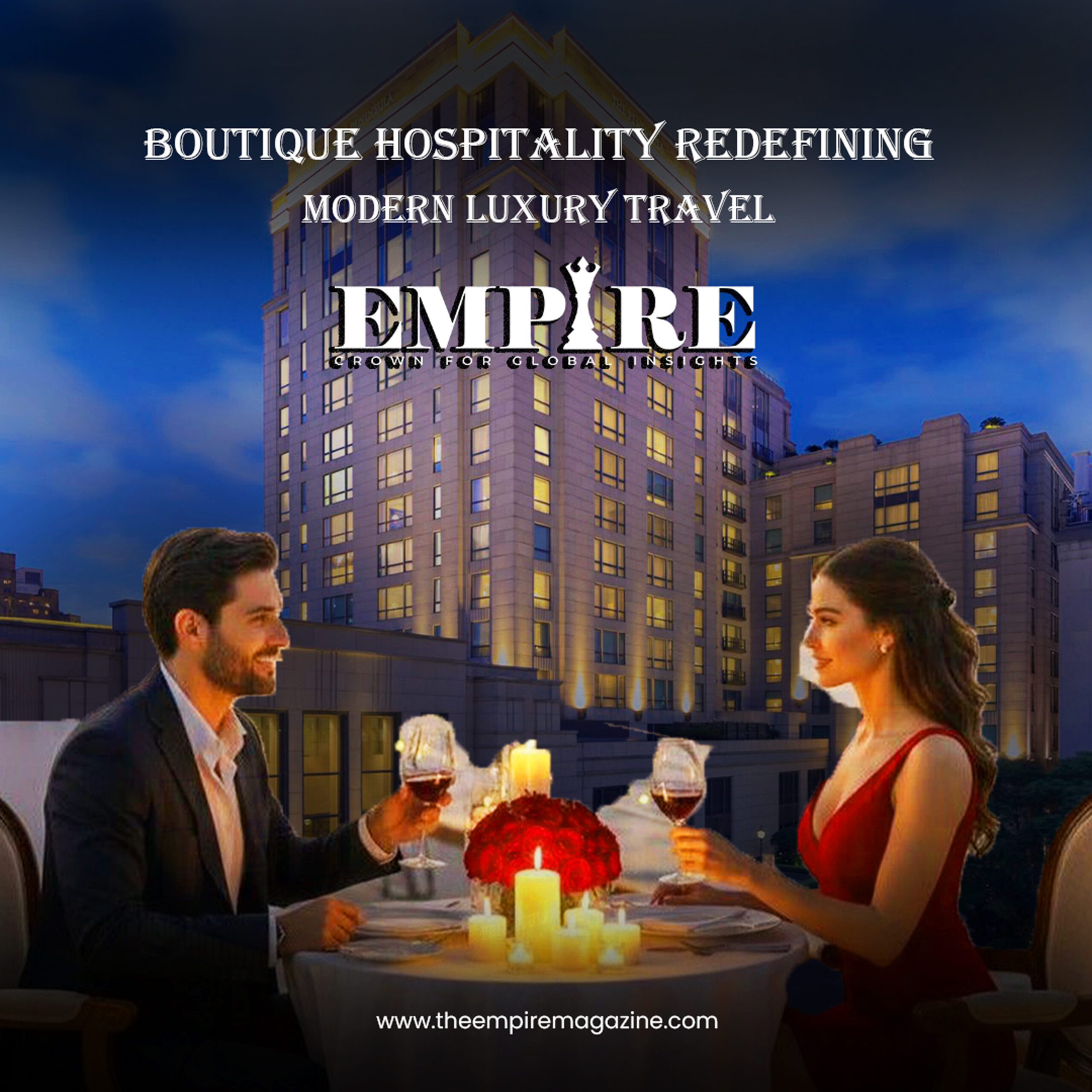
Boutique Hospitality is transforming the global travel industry by redefining what luxury truly means. No longer defined by towering hotels or standardized five-star formulas, luxury today is deeply personal, immersive, and authentic. Travelers now seek meaningful experiences rather than generic indulgence, and boutique properties are rising to meet that demand with precision, creativity, and heart.
In a world where modern consumers value individuality over uniformity, Boutique Hospitality represents a shift toward intimacy, cultural immersion, and emotionally intelligent service. This evolution signals more than a trend. It reflects a structural change in how luxury travel is experienced and delivered.
The Rise of Boutique Hospitality
Over the past two decades, Boutique Hospitality has steadily gained global momentum. Unlike traditional hotel chains built on replication and scale, boutique properties thrive on uniqueness. They are often independently owned, architecturally distinct, and rooted in local culture.
A 2024 global hospitality study reported that boutique hotels have seen occupancy growth surpassing traditional luxury chains. The reason is clear. Travelers no longer want predictable experiences. They want stories, identity, and emotional connection.
Boutique properties offer:
• Fewer rooms and more exclusivity
• Distinct design narratives
• Location-based storytelling
• Highly curated guest journeys
This demand aligns with broader consumer behavior shifts. Just as industries like retail and finance are becoming more personalized and purpose-driven, hospitality is following the same trajectory. For a deeper look at how leadership and innovation are shaping global industries, read our previous feature here:
👉 https://theempiremagazine.com/women-in-business-global-economy/
Personalized Service as the Core Advantage
The defining strength of Boutique Hospitality lies in personalized service. Large hotel groups rely heavily on automation and standardized operating procedures. Boutique hotels, by contrast, build emotional loyalty through human interaction.
Staff members often remember guest preferences, dietary choices, special occasions, and even personal routines. The experience becomes relational rather than transactional.
Personalization in Boutique Hospitality includes:
• Customized room settings
• Tailored wellness programs
• Private cultural excursions
• Chef-curated local dining experiences
This individualized attention creates what modern luxury travelers value most: recognition and belonging.
Design That Tells a Story
Design is not decorative in Boutique Hospitality. It is narrative.
Each property tells a distinct story rooted in geography, heritage, and artistic expression. Whether housed in a restored heritage building, a contemporary eco-lodge, or an art-driven urban retreat, boutique hotels embed the local identity into architecture and interiors.
Examples include:
• Moroccan riads with handcrafted tilework
• Japanese-inspired minimalist Zen retreats
• Mediterranean villas blending tradition with modern refinement
The goal is not aesthetic uniformity but emotional immersion. Guests do not simply stay in a room. They inhabit a cultural environment.
Sustainability and Ethical Luxury
Modern Boutique Hospitality recognizes that luxury without responsibility is outdated. Today’s travelers are increasingly environmentally conscious and socially aware.
Boutique properties are often more agile in implementing sustainable practices than large chains. Many prioritize:
• Solar and renewable energy integration
• Farm-to-table culinary sourcing
• Plastic-free operations
• Partnerships with local artisans
• Community development initiatives
Ethical luxury is becoming a competitive differentiator. Guests want reassurance that their indulgence does not come at the expense of the planet or local communities.
Technology Without Losing Humanity
While Boutique Hospitality emphasizes human connection, it does not reject innovation. Instead, it integrates technology thoughtfully.
Smart room automation, mobile check-in, AI-driven concierge systems, and data-based personalization tools enhance efficiency without diminishing warmth.
Emerging technologies shaping Boutique Hospitality include:
• AI-assisted guest preference analysis
• Virtual reality property previews
• Blockchain-based secure booking systems
• Intelligent climate and lighting systems
The difference lies in implementation. Technology supports experience rather than replacing human interaction.
The Emotional Future of Travel
The future of Boutique Hospitality lies in emotional differentiation. In a saturated travel market, emotional memory is the ultimate competitive advantage.
Boutique hotels succeed because they create:
• A sense of belonging
• Cultural authenticity
• Personalized storytelling
• Human-scale intimacy
Luxury is no longer about marble lobbies or grand chandeliers. It is about feeling seen, understood, and connected.
– The Empire Magazine
Crown For Global Insights