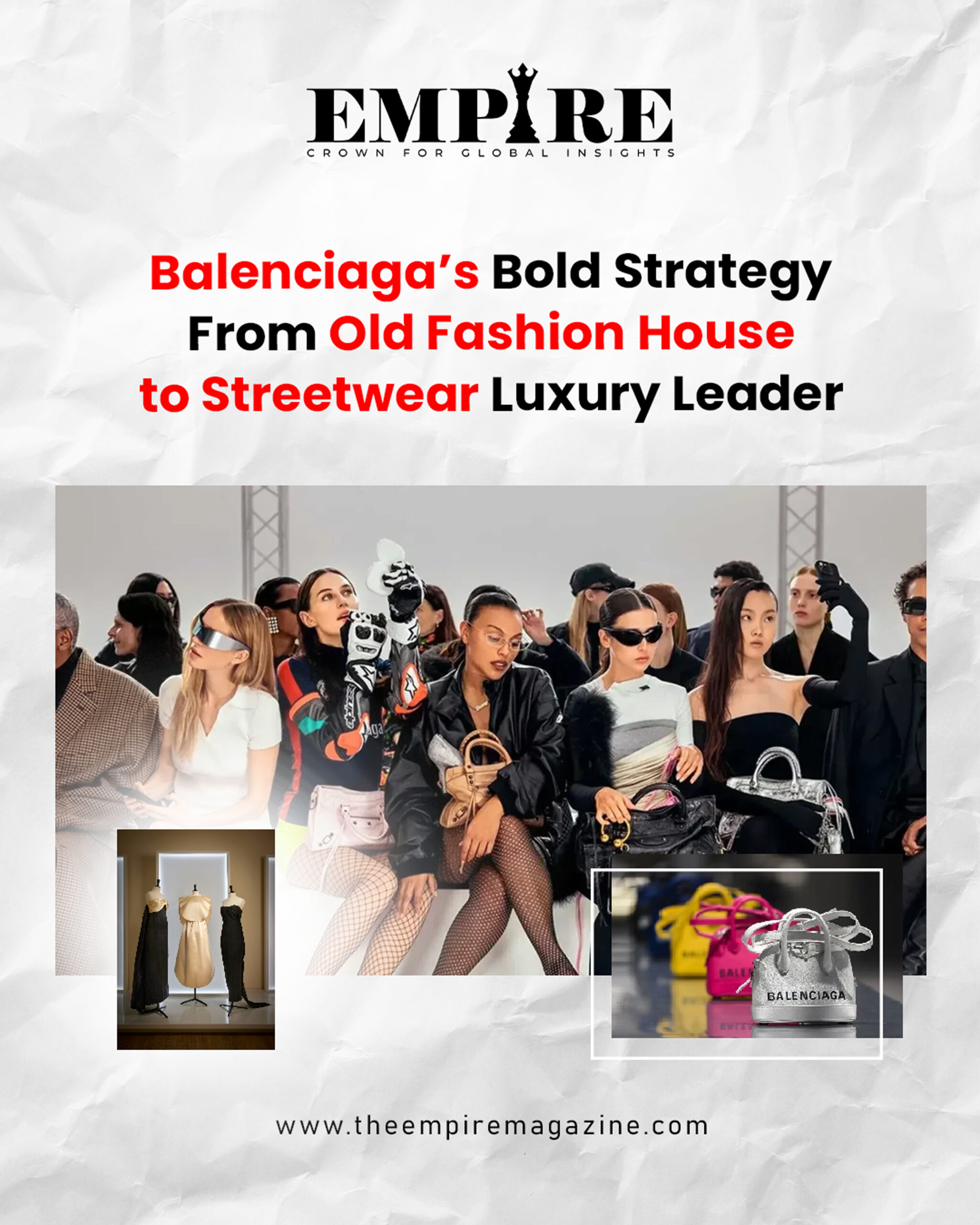
Balenciaga’s transformation from a traditional haute couture house into a global streetwear luxury powerhouse represents one of the most successful brand reinventions in modern fashion history. Through daring creative direction, viral marketing, and a fearless embrace of popular culture, the brand has redefined luxury for a new generation while honoring its architectural heritage.
The Founding Legacy of Cristóbal Balenciaga
Founded in 1917 by Spanish couturier Cristóbal Balenciaga in San Sebastián, the house quickly gained recognition for its innovative silhouettes, impeccable tailoring, and sculptural designs. After relocating to Paris in 1937 due to the Spanish Civil War, Balenciaga became a favorite among high society, dressing icons such as Jackie Kennedy, Audrey Hepburn, and Grace Kelly.
Cristóbal was celebrated as a master of volume, proportion, and technical perfection. His designs often challenged the conventions of his time, creating structured yet fluid garments that prioritized comfort and elegance. Following his retirement in 1968 and death in 1972, the house experienced periods of relative quiet until its acquisition by Kering (then PPR) in 2001, which set the stage for its modern revival.
Nicolas Ghesquière’s Modernization Era
The appointment of Nicolas Ghesquière as creative director in 1997 marked Balenciaga’s first major shift toward contemporary relevance. Under his leadership, the brand blended futuristic elements with archival references, attracting a younger, fashion-forward audience. Ghesquière’s tenure helped grow the brand significantly, establishing it as a forward-thinking luxury player within the Kering portfolio. By the mid-2000s, Balenciaga had expanded its ready-to-wear offerings and built a strong global presence.
Demna Gvasalia’s Revolutionary Impact (2015–2025)
The arrival of Demna Gvasalia in 2015 triggered Balenciaga’s most dramatic evolution. Coming from Vetements, Demna brought a streetwise, ironic, and culturally attuned vision that perfectly captured the mood of the 2010s and 2020s. His strategy focused on three core pillars:
- Oversized Silhouettes and Deconstruction: Exaggerated proportions, padded shoulders, and oversized tailoring became signatures.
- Luxury Streetwear Fusion: Demna elevated everyday items like hoodies, sneakers, and dad caps into high-priced luxury objects. The Triple S sneaker and later the Defender boots became cultural phenomena.
- Ironic and Meme-Driven Branding: Balenciaga leaned into absurdity and satire — from mud-covered couture to “trash bags” as accessories and collaborations with unexpected brands like Crocs, The Simpsons, and Fortnite.
This bold approach turned the brand into a social media magnet. Campaigns often blurred the lines between fashion, art, and commentary, generating millions of impressions and conversations online. Under Demna, Balenciaga’s revenue reportedly grew from around €350 million in 2015 to over €2 billion at its peak, making it one of Kering’s fastest-growing brands.
Key Elements of Balenciaga’s Bold Strategy
Balenciaga’s success stems from several strategic moves:
- Cultural Relevance Over Tradition The brand actively engaged with internet culture, gaming, and youth subcultures rather than relying solely on heritage storytelling.
- Product Innovation and Hype Creation Limited drops, surprise collaborations, and statement pieces created constant buzz and strong resale value.
- Experiential Retail and Shows Innovative runway presentations — including the controversial “mud show,” office-themed collections, and dystopian settings — reinforced the brand’s disruptive identity.
- Digital-First Marketing Heavy investment in social media, TikTok, and gaming platforms helped connect with Gen Z and millennial consumers who value authenticity and provocation.
- Balanced Portfolio While pushing streetwear, Balenciaga also revived couture in 2021 after a 53-year absence, maintaining its high-fashion credentials.
Challenges and Controversies
Balenciaga’s provocative approach has not been without risks. Several campaigns sparked significant backlash, particularly in 2022, for perceived missteps in tone and imagery. These incidents led to temporary reputational damage and highlighted the fine line between bold creativity and public sensitivity. Despite this, the brand demonstrated resilience, using the moments to recalibrate while staying true to its fearless ethos.
Current Standing in 2026 and New Chapter
As of 2026, Balenciaga continues to thrive as a leader in luxury streetwear. Following Demna’s departure, Kering appointed Pierpaolo Piccioli as the new Creative Director, signaling a potential shift toward a more romantic and couture-focused direction while preserving the brand’s innovative edge. Under CEO Gianfranco Gianangeli, the house is balancing its street credibility with elevated luxury positioning.
Balenciaga operates hundreds of stores worldwide and maintains a strong digital presence. Its ability to command premium prices for seemingly ordinary items continues to influence the broader industry, inspiring other luxury houses to embrace hybrid aesthetics.
Lessons from Balenciaga’s Transformation
Balenciaga’s journey offers valuable insights for brands navigating the modern luxury landscape:
- Authenticity and cultural connection drive long-term relevance.
- Bold risks can yield exceptional rewards when rooted in a clear vision.
- Blending heritage with contemporary culture creates timeless appeal.
- Digital storytelling is as important as product quality.
- Resilience in the face of controversy is essential in today’s transparent world.
From Cristóbal Balenciaga’s sculptural masterpieces to Demna’s street-savvy revolution, the house has consistently pushed boundaries. Its evolution proves that even century-old fashion institutions can reinvent themselves for new eras without losing their soul.
For more inspiring stories of leadership, innovation, and global business, read our detailed coverage here.
Follow The Empire Magazine for more updates on business, startups, technology, and global insights: Instagram | Facebook
– The Empire Magazine
Crown For Global Insights