AI-Powered Threats and Defenses: The Changing Face of Cybersecurity
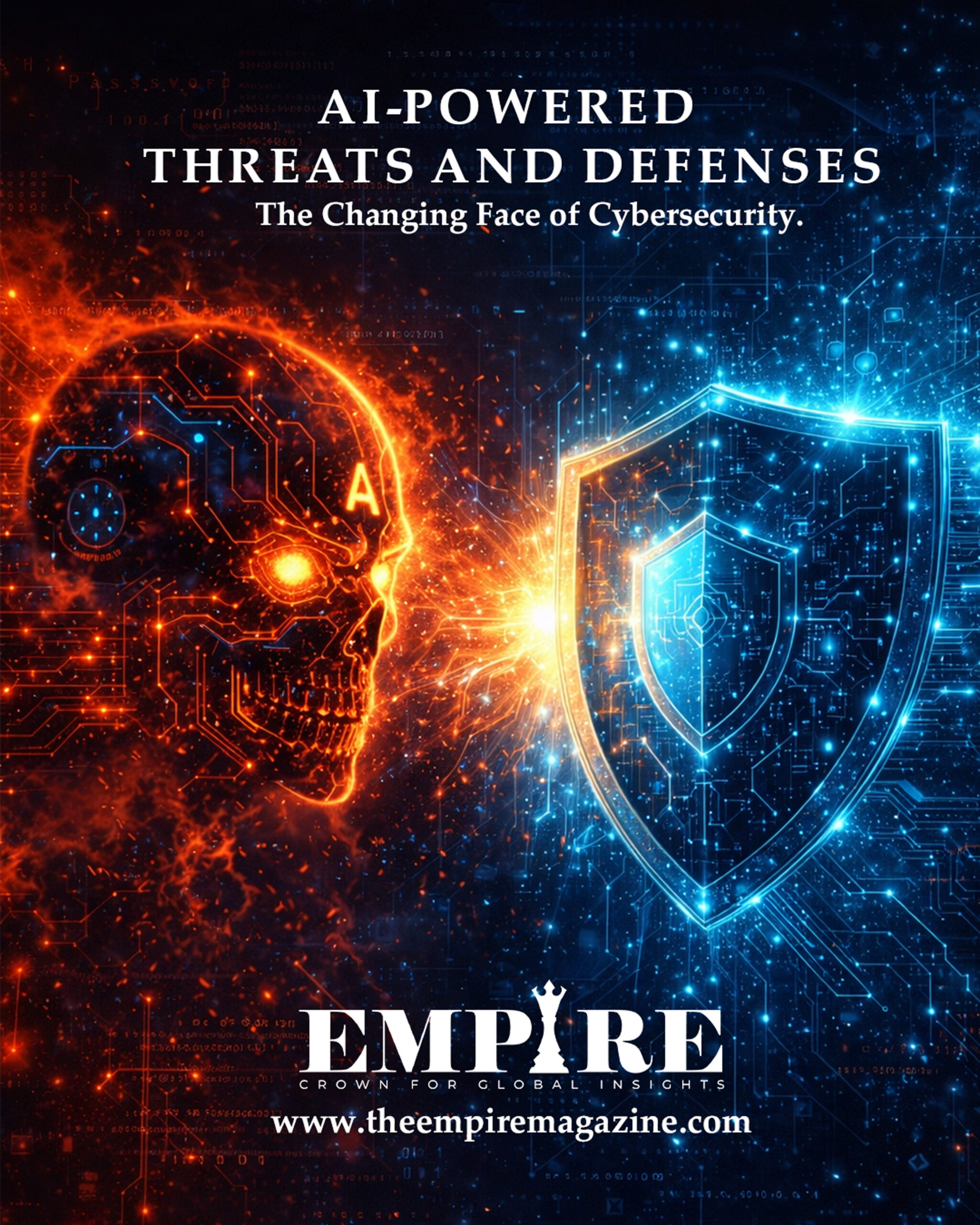
AI-Powered Threats and Defenses are redefining modern cybersecurity. Artificial intelligence is no longer just a tool used to automate business processes or enhance productivity — it has become a central force in the ongoing battle between cybercriminals and security professionals. As AI continues to evolve, it is being deployed on both sides of the cybersecurity spectrum, creating a complex digital arms race.
In 2025, cybercrime has shifted from simple password theft and malware infections to sophisticated AI-driven attacks. At the same time, AI-powered defenses are helping organizations detect vulnerabilities, predict threats, and respond in real time. This evolving landscape shows how AI-Powered Threats and Defenses are shaping the future of digital security worldwide.
The Rise of AI-Powered Threats and Defenses in Cybersecurity
Traditional cybersecurity relied heavily on rule-based systems, firewalls, and manual monitoring. Security teams would analyze alerts after they occurred and patch vulnerabilities accordingly. However, as digital ecosystems expanded and data volumes grew exponentially, human-led monitoring became insufficient.
This shift led to the emergence of AI-Powered Threats and Defenses as a core cybersecurity strategy.
Artificial intelligence can analyze millions of data points within seconds, detect unusual patterns, and flag suspicious behavior instantly. Organizations now use AI to monitor networks continuously, detect phishing attempts, and prevent unauthorized access before damage occurs.
However, attackers have also recognized the power of AI.
AI-Powered Threats: How Hackers Are Using Artificial Intelligence
AI-Powered Threats are becoming more sophisticated and harder to detect. Cybercriminals now use machine learning tools to automate and enhance their attack strategies.
Smarter Phishing Campaigns
AI-generated phishing emails are highly personalized and grammatically accurate. By analyzing social media activity and communication styles, attackers craft messages that appear legitimate. These attacks are often indistinguishable from genuine communication.
Deepfakes and Voice Cloning
Deepfake technology allows attackers to create realistic fake videos and audio recordings. AI-generated voices have been used to impersonate executives and authorize fraudulent financial transfers.
Automated Vulnerability Scanning
AI can scan thousands of systems simultaneously to identify weaknesses. Once vulnerabilities are found, AI tools can generate exploit code automatically, accelerating the hacking process.
Adaptive Malware
AI-powered malware can modify its behavior dynamically to evade detection. Unlike traditional malware that relies on static signatures, adaptive threats evolve in real time.
These developments illustrate how AI-Powered Threats are increasing the complexity of cybercrime.
AI-Powered Defenses: Strengthening Digital Protection
While attackers leverage AI for malicious purposes, cybersecurity professionals are deploying AI-Powered Defenses to counter these threats.
Real-Time Monitoring and Detection
AI systems continuously monitor network behavior. If abnormal activity is detected — such as unusual login patterns — alerts are triggered immediately.
Predictive Threat Intelligence
AI analyzes historical and global threat data to predict future attacks. This proactive approach allows organizations to strengthen defenses before incidents occur.
Automated Incident Response
AI-powered systems can isolate compromised systems, block malicious IP addresses, and reset credentials automatically. This reduces response time significantly.
Fraud Detection Systems
Banks and e-commerce platforms rely on AI to detect unusual transaction patterns. These systems prevent financial losses by identifying suspicious activity instantly.
Cloud and IoT Security
As connected devices increase, AI helps secure IoT ecosystems and cloud environments by monitoring device behavior and preventing unauthorized access.
The balance between AI-Powered Threats and Defenses continues to evolve as both sides adopt increasingly advanced tools.
Challenges Surrounding AI-Powered Threats and Defenses
Despite its advantages, AI in cybersecurity introduces new risks.
False Positives
AI systems may generate excessive alerts, overwhelming security teams and potentially leading to ignored warnings.
Data Privacy Concerns
AI relies on large datasets to function effectively. Improper handling of sensitive data can create privacy and compliance issues.
Shortage of Skilled Professionals
AI-driven cybersecurity requires experts who understand both artificial intelligence and digital security frameworks. There is a global talent gap in this field.
High Costs
Advanced AI-based security tools can be expensive, limiting access for small and medium-sized organizations.
Adversarial AI Attacks
Hackers can manipulate AI systems through data poisoning, misleading models into making incorrect decisions.
These challenges highlight the complexity of managing AI-Powered Threats and Defenses responsibly.
The Importance of Human Oversight
While AI improves efficiency and detection speed, human expertise remains essential. Artificial intelligence can process data, but it lacks contextual judgment and ethical reasoning.
The most effective cybersecurity strategies combine AI automation with human decision-making. Maintaining human oversight ensures accuracy, accountability, and ethical governance.
Training employees in cybersecurity awareness also remains critical. Even the most advanced AI cannot prevent every human error.
The Future of AI-Powered Threats and Defenses
The future of cybersecurity will be increasingly defined by AI-Powered Threats and Defenses. Security systems will become more autonomous, adaptive, and predictive. At the same time, cybercriminals will use more advanced AI models to bypass protections.
Governments and organizations must collaborate to establish regulatory standards, promote ethical AI use, and invest in secure infrastructure.
The rise of quantum computing may introduce additional challenges, potentially weakening current encryption methods. AI will likely play a key role in developing quantum-resistant security solutions.
Conclusion
AI-Powered Threats and Defenses represent the new reality of cybersecurity. Artificial intelligence is simultaneously strengthening digital protection and empowering cybercriminals.
The outcome of this ongoing digital arms race will depend on how effectively organizations integrate AI with human intelligence, ethical governance, and proactive strategy.
Cybersecurity is no longer just a technical concern — it is a shared responsibility in a connected world where AI shapes both risk and resilience.
The future will belong to those who understand that AI is neither inherently dangerous nor inherently protective — it is a tool whose impact depends on how wisely it is used.For deeper insight into how infrastructure pressures are reshaping global financial strategy, check our previous article:
👉 https://theempiremagazine.com/ai-data-centers-global-economy/
The Empire Magazine
Crown for Global Insights