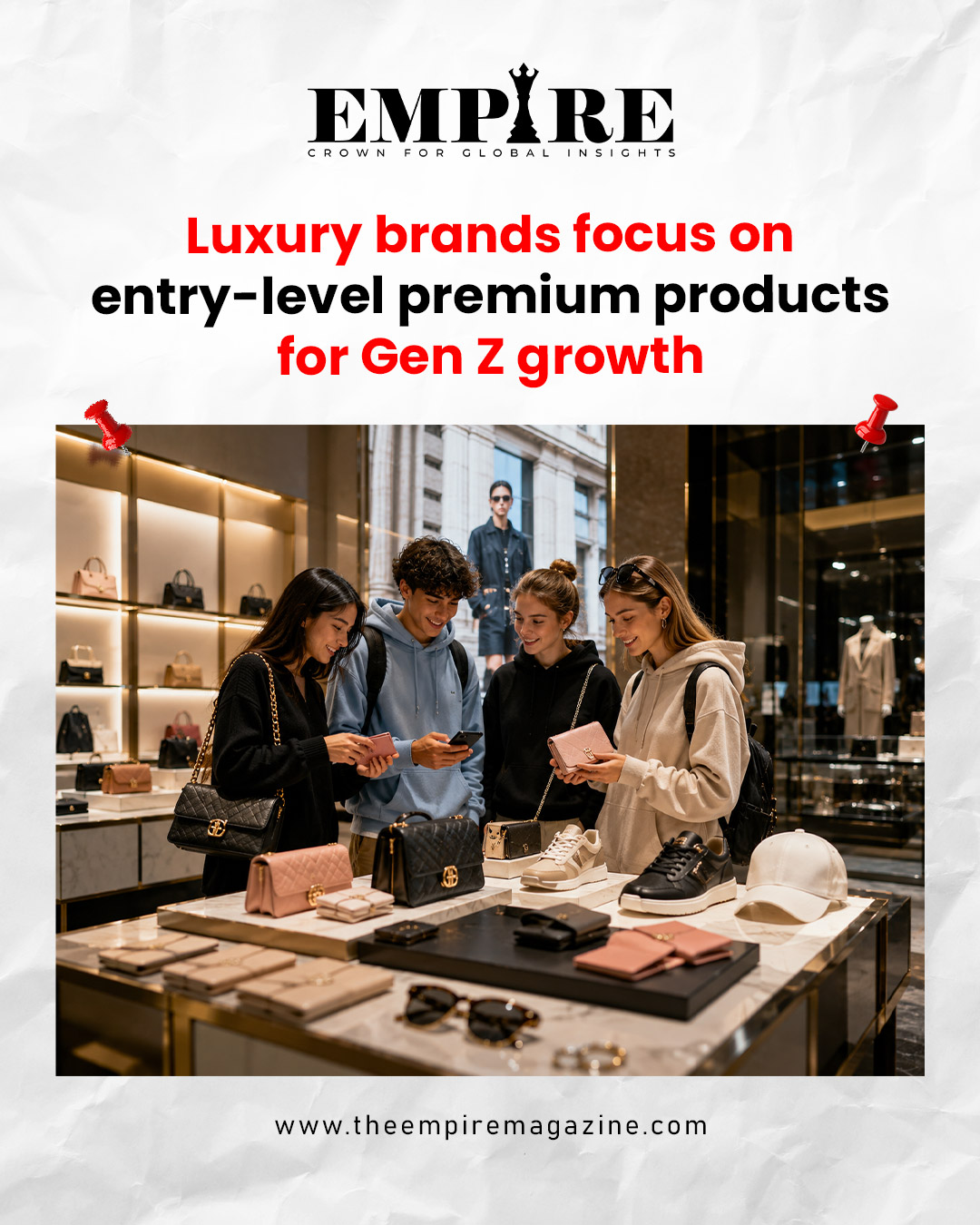
Luxury brands are launching entry-level premium products to attract Gen Z shoppers. Discover why affordable luxury is reshaping the global fashion industry. Luxury brands for Gen Z are increasingly focusing on entry-level premium products such as fragrances, beauty items, sunglasses, wallets, jewelry, and small leather goods. These affordable luxury offerings help brands build long-term customer loyalty while meeting Gen Z’s demand for quality, sustainability, authenticity, and aspirational ownership.
Luxury Brands for Gen Z Are Redefining the Future of Premium Fashion
For decades, luxury was associated with exclusivity, high prices, and limited accessibility. Owning a designer handbag, Swiss watch, or couture outfit was a milestone reserved for affluent consumers. Today, however, the luxury industry is undergoing one of its biggest transformations.
The world’s leading fashion houses are increasingly introducing entry-level premium products aimed specifically at Gen Z consumers. Rather than expecting young shoppers to purchase $5,000 handbags, brands are offering premium fragrances, beauty products, sunglasses, sneakers, card holders, scarves, cosmetics, and jewelry that deliver the luxury experience at a much lower price point.
This strategy is not simply about increasing sales. It is about building lifelong relationships with the next generation of luxury buyers.
Industry analysts estimate that Gen Z could account for nearly one-quarter of global luxury spending by 2030, making them one of the most influential customer groups for luxury brands. Their purchasing decisions are reshaping product design, digital marketing, retail experiences, and pricing strategies across the industry.
Luxury Brands for Gen Z Focus on Affordable Luxury Experiences
Unlike previous generations, Gen Z defines luxury differently.
Instead of purchasing one expensive item every few years, many young consumers prefer affordable products that still provide premium quality and emotional satisfaction.
Popular entry-level luxury categories now include:
- Designer perfumes
- Premium skincare
- Luxury cosmetics
- Sunglasses
- Sneakers
- Wallets
- Card holders
- Small leather goods
- Costume jewelry
- Silk accessories
These products allow first-time buyers to experience heritage brands without making a major financial commitment.
Luxury companies understand that today’s first fragrance purchase could eventually become tomorrow’s luxury handbag purchase.
This “customer lifetime value” approach enables brands to nurture loyalty over many years rather than relying solely on high-ticket sales.
The strategy has become increasingly important as inflation and economic uncertainty encourage younger shoppers to seek products that combine prestige with practicality. At the same time, “premiumization”, the willingness to spend more for better quality and experiences, is gaining momentum in markets such as India.
Luxury Brands for Gen Z Are Winning Through Digital Storytelling
Luxury shopping no longer begins inside flagship boutiques.
It begins on TikTok, Instagram, Pinterest, YouTube Shorts, and creator-led communities.
Gen Z consumers often discover luxury brands through influencers, fashion creators, celebrity collaborations, and viral social media trends.
Instead of traditional advertising campaigns, luxury brands now emphasize:
- Behind-the-scenes storytelling
- Creator partnerships
- Fashion films
- Limited-edition collaborations
- Interactive digital campaigns
- Live product launches
- Community engagement
Short-form storytelling has become especially powerful. Luxury houses increasingly produce cinematic “micro-dramas” and narrative-driven social content that feels more like entertainment than advertising, helping brands resonate with younger audiences.
Rather than simply selling products, luxury brands are selling identity, belonging, and experiences.
Consumers are investing in brands that align with their personalities, lifestyles, and social values.
Luxury Brands for Gen Z Prioritize Sustainability and Authenticity
Another defining characteristic of Gen Z purchasing behavior is their strong preference for responsible consumption.
Young buyers increasingly evaluate luxury brands based on:
- Environmental responsibility
- Ethical sourcing
- Circular fashion
- Product durability
- Transparent supply chains
- Responsible manufacturing
Many consumers are also embracing resale platforms, vintage fashion, and authenticated pre-owned luxury products.
Unlike previous generations, purchasing a pre-owned designer handbag is viewed as both financially smart and environmentally responsible.
This growing resale culture has encouraged luxury brands to improve product quality while emphasizing craftsmanship that lasts for decades.
At the same time, consumers are moving away from loud logos toward timeless design and understated elegance. Luxury has become less about displaying wealth and more about appreciating craftsmanship, heritage, and authenticity.
Entry-Level Luxury Brands Build Long-Term Customer Loyalty
The introduction of affordable premium products represents one of the smartest customer acquisition strategies in modern retail.
Instead of waiting until consumers reach peak earning years, luxury brands are engaging customers during their twenties.
Popular gateway products include:
- Premium fragrances
- Designer sunglasses
- Watches
- Jewelry
- Cosmetics
- Leather accessories
These purchases help consumers experience the quality and emotional appeal of luxury brands without requiring significant financial investment.
Once consumers establish trust with a brand, they are more likely to upgrade to handbags, footwear, ready-to-wear collections, watches, and fine jewelry as their incomes grow.
Industry experts increasingly describe this approach as “accessible luxury” or “affordable premium,” reflecting a shift from exclusivity alone toward long-term customer relationships.
Luxury Brands for Gen Z Are Using Innovation Beyond Products
The modern luxury experience extends far beyond physical merchandise.
Brands are investing heavily in:
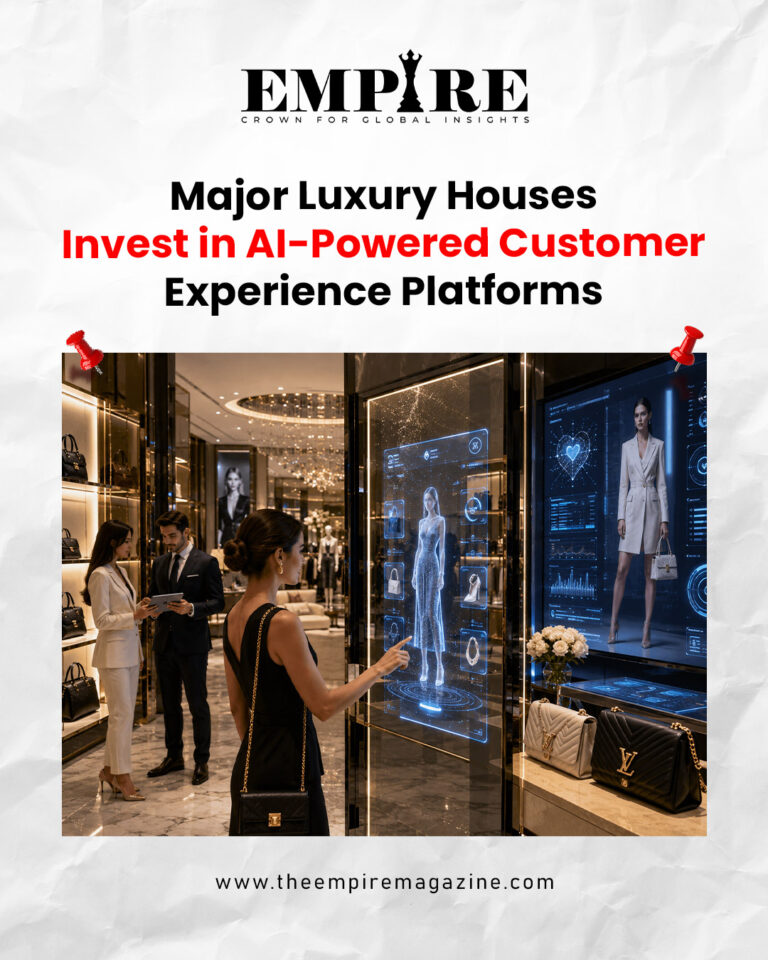
- Artificial intelligence
- Personalized shopping
- Virtual try-ons
- Augmented reality
- Clienteling technology
- Digital authentication
- Omnichannel retail
Consumers expect seamless transitions between online shopping, social media, mobile apps, and physical boutiques.
Many luxury companies are also introducing digital product authentication through NFC technology and digital ownership certificates to strengthen customer engagement, improve authentication, and enhance resale experiences. Community discussions have highlighted these emerging practices as a new way to maintain customer relationships after purchase.
Meanwhile, exclusive collaborations continue to generate excitement among younger consumers. Recent launches that make iconic luxury names more accessible have demonstrated how limited-edition, entry-level products can create strong demand and renewed interest in heritage brands.
Challenges Facing Luxury Brands in the Gen Z Era
Despite the opportunities, the strategy is not without risks.
Luxury brands must carefully balance accessibility with exclusivity.
If products become too affordable or widely available, brands risk diluting their prestige.
Maintaining craftsmanship, quality, scarcity, and brand heritage remains essential.
Another challenge is changing global consumer spending.
Luxury demand has slowed in several markets due to inflation, geopolitical uncertainty, and weaker middle-income purchasing power. Analysts describe the current market as increasingly “K-shaped,” where ultra-high-net-worth consumers remain resilient while aspirational shoppers are more cautious.
Successful brands will therefore need to innovate while preserving the exclusivity that defines luxury.
The Future of Luxury Brands: Next Generation – Gen Z
Luxury is no longer defined solely by expensive handbags or exclusive boutiques.
It is becoming more inclusive, digital, experiential, and emotionally driven.
Luxury brands for Gen Z are successfully expanding their customer base through entry-level premium products that introduce younger consumers to heritage brands without compromising quality or aspiration.
Whether through fragrances, accessories, beauty products, sneakers, or digital experiences, these accessible offerings create meaningful first impressions that can evolve into lifelong brand loyalty.
As Gen Z’s purchasing power continues to grow over the next decade, luxury companies that embrace authenticity, sustainability, innovation, and affordable premium experiences will be best positioned to lead the industry’s next phase of global growth.
For more business and retail insights, read more on The Empire Magazine
Previous article: https://theempiremagazine.com/central-bank/
Magazine Feautures | Podcasts: Empire Global Talks
Follow The Empire Magazine on Facebook | Instagram | LinkedIn | YouTube
The Empire Magazine | Crown for Global Insights