Healthcare AI innovation is transforming diagnostics, treatment, hospitals, and patient care as AI becomes the biggest testing ground for medicine. Healthcare AI Innovation is transforming medicine through faster diagnostics, personalized treatment, accelerated drug discovery, smarter hospitals, and predictive healthcare. As artificial intelligence becomes deeply integrated into healthcare systems worldwide, it is improving patient outcomes while reshaping the future of modern medicine.
Healthcare AI Innovation Becomes the Biggest Testing Ground for High-Impact Medical Use Cases
Artificial intelligence is no longer just transforming businesses or automating repetitive work, it is fundamentally reshaping healthcare. Across hospitals, research laboratories, pharmaceutical companies, insurance providers, and public health organizations, Healthcare AI Innovation has emerged as one of the most influential technological revolutions of this decade. From identifying diseases before symptoms become severe to accelerating drug discovery and supporting doctors with faster clinical decisions, AI is steadily becoming an indispensable part of modern medicine.
Unlike many industries where AI primarily improves efficiency, healthcare presents opportunities where technology directly impacts human lives. Every improvement in diagnostic accuracy, treatment planning, and patient monitoring has the potential to save lives, reduce healthcare costs, and improve quality of care for millions of people worldwide.
Governments, technology companies, healthcare institutions, and investors are pouring billions of dollars into AI-driven healthcare solutions because the industry combines vast medical datasets with urgent real-world challenges. As global populations age, chronic diseases become more common, and healthcare systems face staff shortages, AI is increasingly viewed not as a replacement for doctors but as a powerful partner that strengthens clinical expertise.
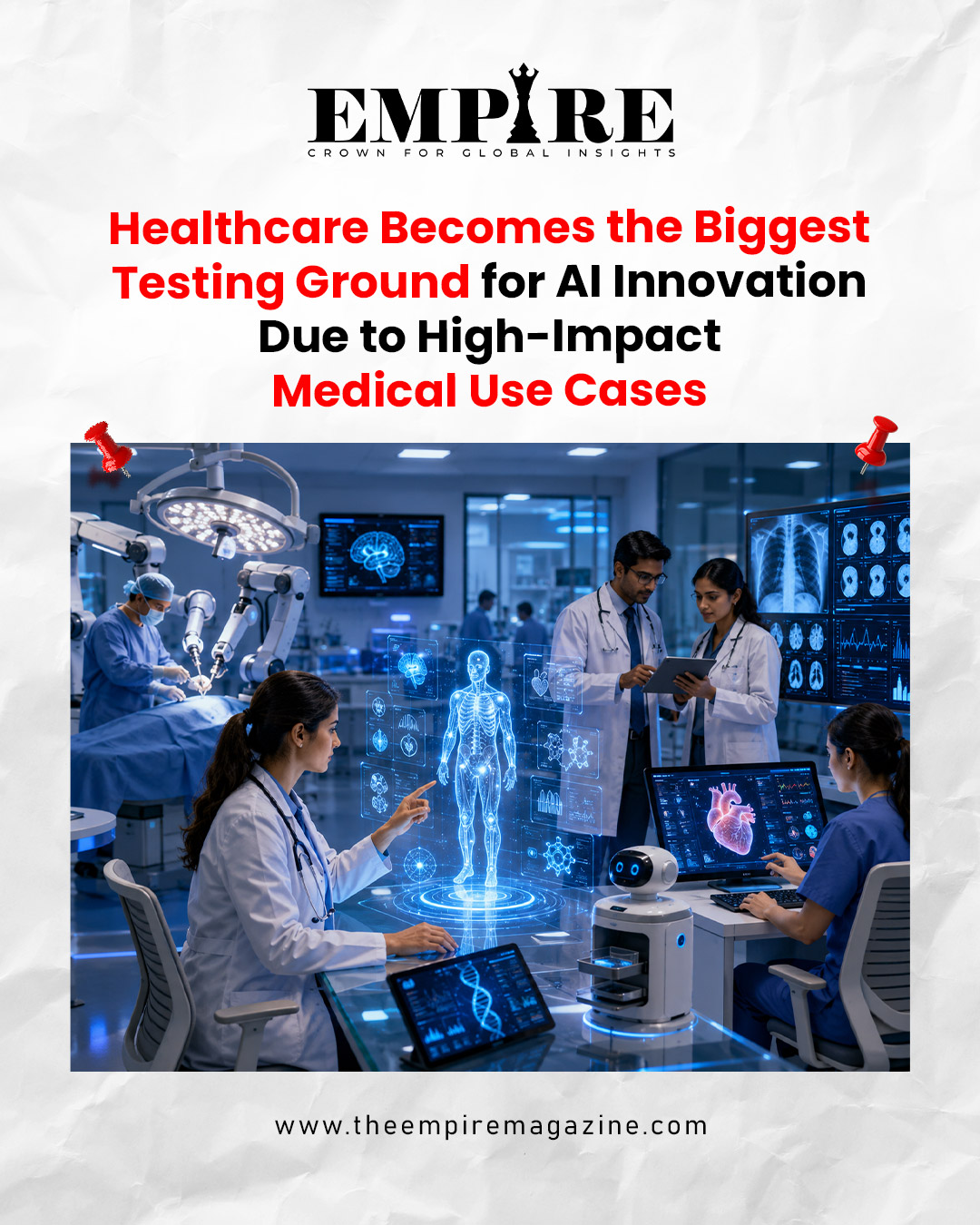
Today, healthcare has become the world’s largest testing ground for AI innovation, not because technology is fashionable, but because the potential impact is unlike any other sector.
Healthcare AI Innovation Is Transforming Medicine
The healthcare industry generates one of the largest volumes of data anywhere in the world. Electronic medical records, laboratory reports, diagnostic imaging, wearable devices, genomic sequencing, and clinical research collectively produce enormous datasets every single day. For decades, healthcare professionals struggled to process this information quickly enough to support better patient outcomes. Today, Healthcare AI Innovation is changing that reality by enabling computers to analyze vast amounts of medical information in seconds. Machine learning models can detect hidden patterns that may not be immediately visible to physicians, allowing earlier diagnosis and more informed treatment decisions. AI systems are also helping healthcare providers personalize medicine by considering individual genetic profiles, lifestyle habits, medical history, and ongoing health conditions instead of relying solely on generalized treatment guidelines. As a result, healthcare is moving away from reactive treatment toward predictive and preventive care, enabling doctors to identify risks before diseases become severe while delivering more personalized medical experiences for patients.
Healthcare AI Innovation Improves Diagnostics
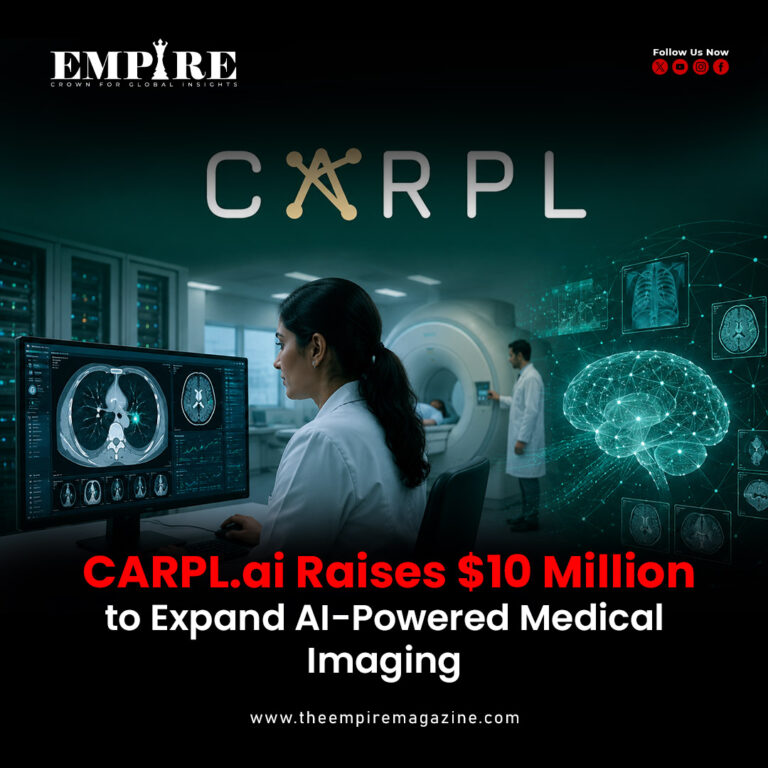
One of the biggest breakthroughs in Healthcare AI Innovation is its remarkable ability to improve diagnostic accuracy across multiple medical specialties. AI-powered imaging systems are now assisting radiologists in identifying cancers, fractures, neurological disorders, cardiovascular diseases, and lung conditions with impressive precision. These systems can review thousands of medical images rapidly while highlighting subtle abnormalities that may otherwise go unnoticed during routine examinations. In pathology, AI algorithms analyze tissue samples to identify early signs of disease, reducing delays in diagnosis. In ophthalmology, artificial intelligence can detect diabetic retinopathy before significant vision loss occurs, while dermatology applications help identify skin cancers through advanced image recognition. AI also supports emergency medicine by prioritizing critical patients based on real-time clinical data, enabling hospitals to respond faster during life-threatening situations. Rather than replacing medical professionals, these technologies provide clinicians with additional confidence and decision support, ultimately reducing diagnostic errors while improving patient safety and treatment outcomes across healthcare systems.
Healthcare AI Innovation Accelerates Drug Discovery
Developing a new medicine traditionally requires years of scientific research, clinical trials, regulatory approvals, and billions of dollars in investment. Healthcare AI Innovation is significantly reducing this timeline by enabling pharmaceutical companies to analyze biological data, predict molecular interactions, and identify promising drug candidates far more efficiently than conventional methods. AI models can screen millions of chemical compounds virtually, allowing researchers to focus laboratory resources only on the most promising options. During the COVID-19 pandemic, artificial intelligence demonstrated its value by accelerating vaccine development, analyzing viral mutations, and supporting epidemiological research. Today, pharmaceutical companies continue to use AI to identify treatments for cancer, Alzheimer’s disease, rare genetic disorders, autoimmune diseases, and infectious illnesses. AI also helps optimize clinical trial recruitment by identifying suitable participants more accurately, improving trial success rates while reducing costs. This combination of computational power and scientific research is enabling the healthcare industry to bring innovative therapies to patients much faster than ever before.
Healthcare AI Innovation Supports Hospitals
Hospitals worldwide continue to face increasing patient demand, workforce shortages, administrative burdens, and rising operational costs. Healthcare AI Innovation is helping healthcare institutions manage these pressures by improving efficiency across clinical and administrative functions. AI-powered scheduling systems optimize operating room utilization, predict patient admissions, and allocate hospital resources more effectively. Virtual health assistants answer routine patient questions, schedule appointments, and provide medication reminders, allowing healthcare professionals to focus on more complex medical responsibilities. Predictive analytics helps hospitals identify patients at high risk of complications or readmission, enabling earlier intervention and better care planning. AI also supports intensive care units by continuously monitoring patient vital signs and alerting clinicians before critical deterioration occurs. Beyond hospitals, wearable health devices powered by AI monitor heart rate, blood pressure, glucose levels, sleep quality, and physical activity, allowing doctors to remotely supervise patients with chronic conditions. These innovations improve healthcare accessibility while reducing unnecessary hospital visits and enhancing long-term patient management.
Healthcare AI Innovation Faces Ethical Challenges
Despite its enormous promise, Healthcare AI Innovation also raises important ethical, legal, and regulatory questions that healthcare leaders cannot ignore. Medical AI systems rely on sensitive patient information, making data privacy and cybersecurity critical priorities. Healthcare organizations must ensure that patient records remain protected while complying with evolving privacy regulations across different jurisdictions. Another major concern involves algorithmic bias. If AI systems are trained using datasets that lack diversity, they may produce less accurate results for certain populations, potentially widening existing healthcare inequalities. Transparency is equally important because clinicians need to understand how AI-generated recommendations are produced before relying on them during medical decision-making. Regulators around the world are working to establish governance frameworks that balance innovation with patient safety, accountability, and ethical responsibility. Healthcare professionals also emphasize that empathy, communication, and clinical judgment remain uniquely human qualities that cannot be replicated by algorithms. The future of AI in medicine will therefore depend on responsible collaboration between technology developers, regulators, healthcare providers, and patients.
Healthcare AI Innovation Is Shaping the Future
The next phase of Healthcare AI Innovation promises even greater transformation as generative AI, robotics, precision medicine, digital twins, and predictive analytics become increasingly integrated into everyday healthcare. Future hospitals are expected to combine AI-powered diagnostics, robotic-assisted surgeries, automated clinical documentation, personalized treatment recommendations, and continuous remote patient monitoring into connected healthcare ecosystems. Genomic medicine will benefit from AI’s ability to interpret complex genetic information, enabling therapies tailored to individual patients with unprecedented precision. Public health authorities may also leverage AI to predict disease outbreaks, monitor population health trends, and coordinate emergency responses more effectively. Meanwhile, healthcare education is evolving as medical professionals learn to work alongside intelligent technologies rather than compete against them. The most successful healthcare systems will be those that combine advanced artificial intelligence with compassionate human care, ensuring technology enhances, not replaces, the doctor-patient relationship. As healthcare continues to embrace intelligent innovation, AI is proving that its greatest value lies not merely in automation but in creating safer, faster, more accessible, and more personalized medical care for people around the world.
Healthcare AI Innovation has moved far beyond experimentation
Healthcare AI Innovation has moved far beyond experimentation. It has become one of the world’s most significant technological transformations because its success directly influences human health and survival. From early disease detection and accelerated drug development to smarter hospitals and personalized treatment, AI is redefining nearly every aspect of modern healthcare.
Yet, the true promise of AI will not be measured solely by technological advancement. Its long-term success depends on building trust, protecting patient privacy, ensuring ethical governance, and empowering healthcare professionals rather than replacing them. When innovation is combined with responsible implementation and compassionate care, artificial intelligence has the potential to create a healthcare system that is more efficient, more accessible, and ultimately more human.
As governments, researchers, technology companies, and healthcare providers continue investing in next-generation medical intelligence, healthcare will remain the world’s most important proving ground for AI innovation, setting new standards for how technology can improve lives across generations.
For more business and retail insights, read more on The Empire Magazine
Previous article: https://theempiremagazine.com/global-markets/
Magazine Feautures | Podcasts: Empire Global Talks
Follow The Empire Magazine on Facebook | Instagram | LinkedIn | YouTube
The Empire Magazine | Crown for Global Insights