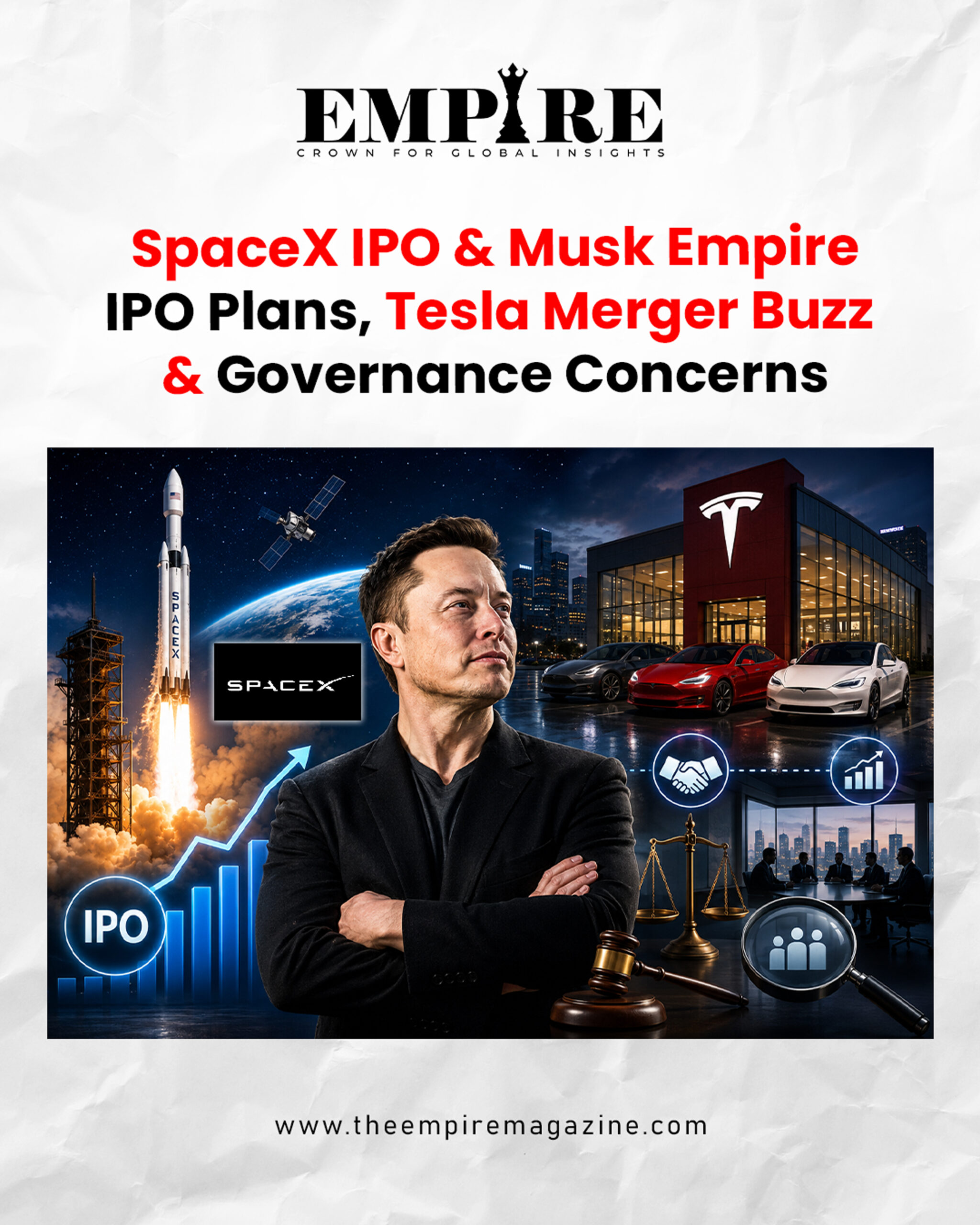
SpaceX is making major headlines in late May 2026 with active IPO preparations, speculation about a possible Tesla merger, and growing investor concerns over Elon Musk’s extensive control in the company’s governance structure.
SpaceX IPO Plans Heat Up
SpaceX has taken concrete steps toward going public. The company has confidentially filed its S-1 registration with the SEC and is targeting a Nasdaq listing as early as June 12, 2026, under the ticker SPCX.
The highly anticipated IPO could be one of the largest in history, potentially raising over $75 billion at a valuation between $1.75 trillion and $2 trillion. Starlink continues to be the main growth driver, generating strong revenue, while Starship development remains central to long-term ambitions including Mars colonization and orbital AI data centers.
Tesla Merger Speculation
Reports indicate Elon Musk is exploring a potential merger between SpaceX and Tesla. Discussions have also included combining SpaceX with his AI startup xAI. These talks reflect Musk’s broader vision of integrating his companies into a unified “Musk Empire” focused on multi-planetary life, AI, and sustainable energy.
While no formal deal has been confirmed, the rumors have boosted Tesla’s stock price and fueled excitement among investors about synergies such as shared technology, talent, and infrastructure.
Governance Questions Around Elon Musk’s Control
SpaceX’s IPO filing has raised significant concerns among investors and governance experts. Key highlights include:
- Elon Musk is expected to retain approximately 85% voting power despite holding a smaller economic stake.
- The company is structured as a “controlled company” under Texas law, reducing requirements for independent directors.
- Supervoting shares, mandatory arbitration clauses, and restrictions on shareholder proposals give Musk sweeping authority.
- Critics argue this structure heavily favors the founder and may limit traditional shareholder protections.
Some institutional investors have expressed worries about long-term risks, especially given Musk’s divided attention across multiple companies.
Broader Implications
SpaceX’s upcoming IPO, potential mergers, and governance model represent a unique chapter in corporate history. The company’s success with Starlink, rapid Starship progress, and ambitious goals continue to attract massive investor interest despite the complexities surrounding control and valuation.
As SpaceX moves closer to becoming a publicly traded company, all eyes will be on how it balances innovation, execution, and shareholder expectations under Elon Musk’s leadership.
For more insights on SpaceX developments and Elon Musk’s companies, read our detailed coverage here: SpaceX IPO & Musk Empire
SpaceX is making major headlines in late May 2026 with active IPO preparations, speculation about a possible Tesla merger, and growing investor concerns over Elon Musk’s extensive control in the company’s governance structure.
SpaceX IPO Plans Heat Up
SpaceX has taken concrete steps toward going public. The company has confidentially filed its S-1 registration with the SEC and is targeting a Nasdaq listing as early as June 12, 2026, under the ticker SPCX.
The highly anticipated IPO could be one of the largest in history, potentially raising over $75 billion at a valuation between $1.75 trillion and $2 trillion. Starlink continues to be the main growth driver, generating strong revenue, while Starship development remains central to long-term ambitions including Mars colonization and orbital AI data centers.
Tesla Merger Speculation
Reports indicate Elon Musk is exploring a potential merger between SpaceX and Tesla. Discussions have also included combining SpaceX with his AI startup xAI. These talks reflect Musk’s broader vision of integrating his companies into a unified “Musk Empire” focused on multi-planetary life, AI, and sustainable energy.
While no formal deal has been confirmed, the rumors have boosted Tesla’s stock price and fueled excitement among investors about synergies such as shared technology, talent, and infrastructure.
Governance Questions Around Elon Musk’s Control
SpaceX’s IPO filing has raised significant concerns among investors and governance experts. Key highlights include:
- Elon Musk is expected to retain approximately 85% voting power despite holding a smaller economic stake.
- The company is structured as a “controlled company” under Texas law, reducing requirements for independent directors.
- Supervoting shares, mandatory arbitration clauses, and restrictions on shareholder proposals give Musk sweeping authority.
- Critics argue this structure heavily favors the founder and may limit traditional shareholder protections.
Some institutional investors have expressed worries about long-term risks, especially given Musk’s divided attention across multiple companies.
Broader Implications
SpaceX’s upcoming IPO, potential mergers, and governance model represent a unique chapter in corporate history. The company’s success with Starlink, rapid Starship progress, and ambitious goals continue to attract massive investor interest despite the complexities surrounding control and valuation.
As SpaceX moves closer to becoming a publicly traded company, all eyes will be on how it balances innovation, execution, and shareholder expectations under Elon Musk’s leadership.
For more insights on SpaceX developments and Elon Musk’s companies, read our detailed coverage here: SpaceX IPO & Musk Empire
Follow The Empire Magazine for more updates on space, technology, and major business developments:
– The Empire Magazine
Crown For Global Insights