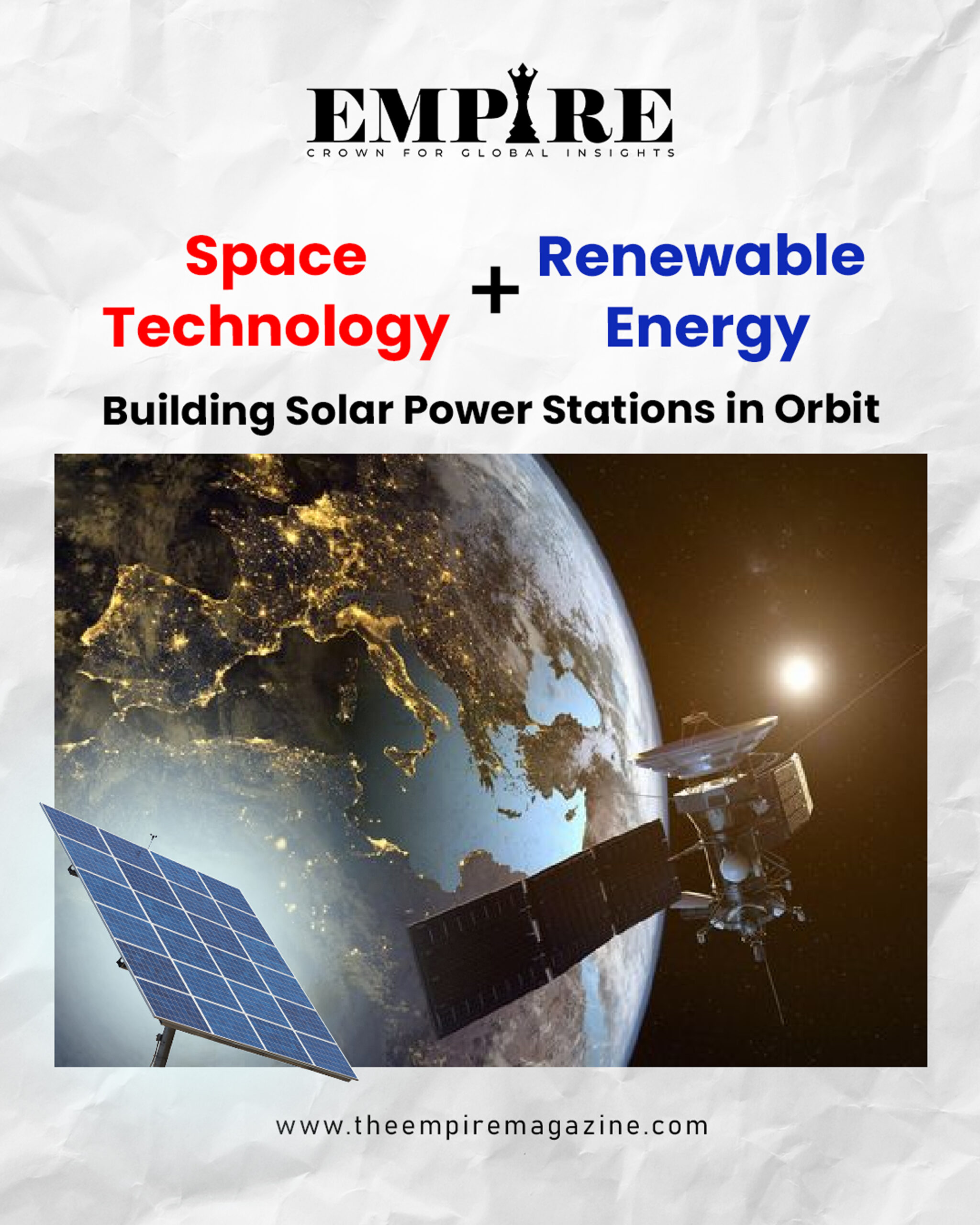
The convergence of space technology and renewable energy is unlocking one of the most ambitious clean energy solutions of our time: building solar power stations in orbit. Also known as Space-Based Solar Power (SBSP), this concept involves deploying massive solar arrays in space to capture uninterrupted sunlight and transmit the energy wirelessly to Earth. As the world seeks reliable, carbon-free baseload power, orbital solar power stations could revolutionize global energy systems.
How Orbital Solar Power Stations Work
Solar power stations in orbit operate on a straightforward yet technologically complex principle. Large photovoltaic arrays placed in geostationary orbit (approximately 36,000 km above Earth) collect solar energy 24 hours a day, unaffected by weather, atmosphere, or night cycles. These stations convert sunlight into electricity, which is then transformed into microwaves or laser beams and transmitted to receiving antennas (rectennas) on the ground. The rectennas convert the beamed energy back into usable electricity for the power grid.
This approach offers significant advantages over terrestrial solar farms. In space, solar panels receive up to 8–10 times more energy due to the absence of atmospheric filtering and cloud cover. A single orbital station could potentially deliver gigawatts of clean power continuously, making it a true baseload renewable source.
Key Benefits of Space-Based Solar Power
The integration of space technology with renewable energy brings several compelling advantages:
- Continuous Energy Generation: Unlike ground-based solar, orbital stations operate around the clock, providing stable power regardless of time or weather.
- Higher Efficiency: Sunlight in space is more intense and consistent, leading to greater energy yield per square meter of panel.
- Reduced Land Use: Ground receiving stations require far less land compared to massive terrestrial solar farms, minimizing impact on agriculture and ecosystems.
- Global Energy Access: Energy could be beamed to remote or disaster-affected regions, supporting energy security and equitable access.
- Climate Impact: SBSP could significantly accelerate decarbonization efforts by providing scalable, zero-emission electricity.
As of 2026, the global space-based solar power market is experiencing strong growth, driven by falling launch costs from reusable rockets and advancements in lightweight materials.
Major Developments and Projects in 2026
Several nations and organizations are actively pushing the boundaries of this technology:
- Caltech’s Space Solar Power Project has achieved groundbreaking demonstrations, including the first successful wireless power transmission from space to Earth.
- China is pursuing ambitious targets, with plans for large-scale prototypes and a potential kilometer-scale array in the coming years. Their efforts include testing high-power beam transmission technologies.
- European Space Agency (ESA) continues its SOLARIS initiative to evaluate the technical and economic feasibility of space-based solar power for Europe.
- United Kingdom and other countries are investing in supporting technologies, including lightweight structures and efficient rectennas.
These initiatives reflect a growing international space race focused not just on exploration, but on solving Earth’s energy challenges through advanced space technology.
Technological Challenges in Building Orbital Solar Stations
Despite promising progress, building solar power stations in orbit faces significant hurdles:
- Launch and Assembly Costs: Transporting and assembling massive structures in space remains expensive, although reusable launch vehicles are steadily reducing these barriers.
- Wireless Power Transmission: Efficiently and safely beaming energy over vast distances requires advanced phased-array antennas and precise targeting systems. Safety concerns regarding microwave exposure must be carefully managed.
- Durability in Space: Solar arrays must withstand extreme radiation, temperature fluctuations, and potential space debris impacts while maintaining long-term performance.
- Orbital Infrastructure: Autonomous assembly, maintenance, and debris management systems are essential for large-scale deployments.
- Economic Viability: Current projections show that while costs are decreasing, space-based solar power still needs further technological maturation to compete fully with terrestrial renewables by 2050.
Environmental and Strategic Implications
The fusion of space technology and renewable energy through orbital solar stations could transform the global energy landscape. It offers a pathway to complement intermittent renewables like wind and ground solar, creating a more resilient and sustainable grid.
Strategically, nations investing in SBSP are positioning themselves as leaders in both clean energy and space capabilities. This could foster new international collaborations while raising important questions about orbital slot allocation, spectrum management for beaming, and equitable access to the technology.
Environmental considerations include the carbon footprint of frequent rocket launches and the need for responsible end-of-life management of orbital infrastructure to prevent space debris.
The Road Ahead for Space-Based Solar Power
By the 2030s and beyond, experts anticipate a shift from demonstration projects to early commercial deployments. Advances in materials science, robotics for in-orbit assembly, and high-efficiency power beaming will be critical to making solar power stations in orbit economically practical.
Public-private partnerships are expected to play a vital role, combining government research funding with commercial innovation. As launch costs continue to fall and technology matures, orbital solar power could become a cornerstone of humanity’s clean energy future.
The marriage of space technology and renewable energy represents more than just an engineering feat — it embodies humanity’s drive to solve existential challenges through bold innovation. Building solar power stations in orbit may one day provide limitless clean energy, helping secure a sustainable planet while expanding our presence in space.
For more inspiring stories of leadership, technology, and global innovation, read our detailed coverage here.
Follow The Empire Magazine for more updates on business, startups, technology, and global insights: Instagram | Facebook
– The Empire Magazine
Crown For Global Insights