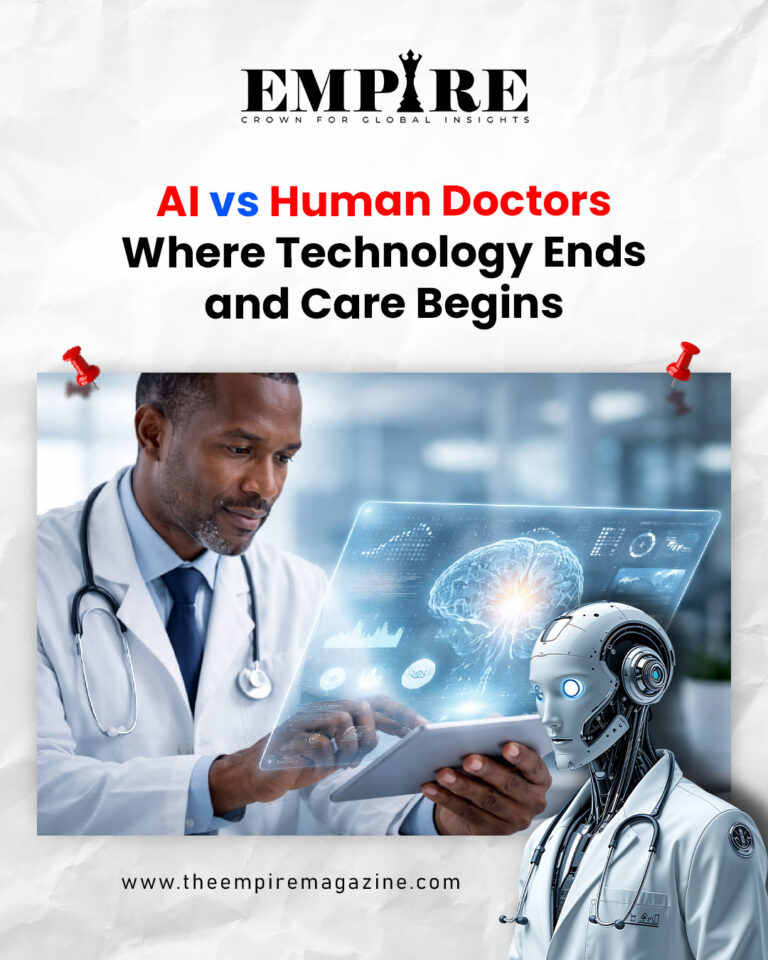
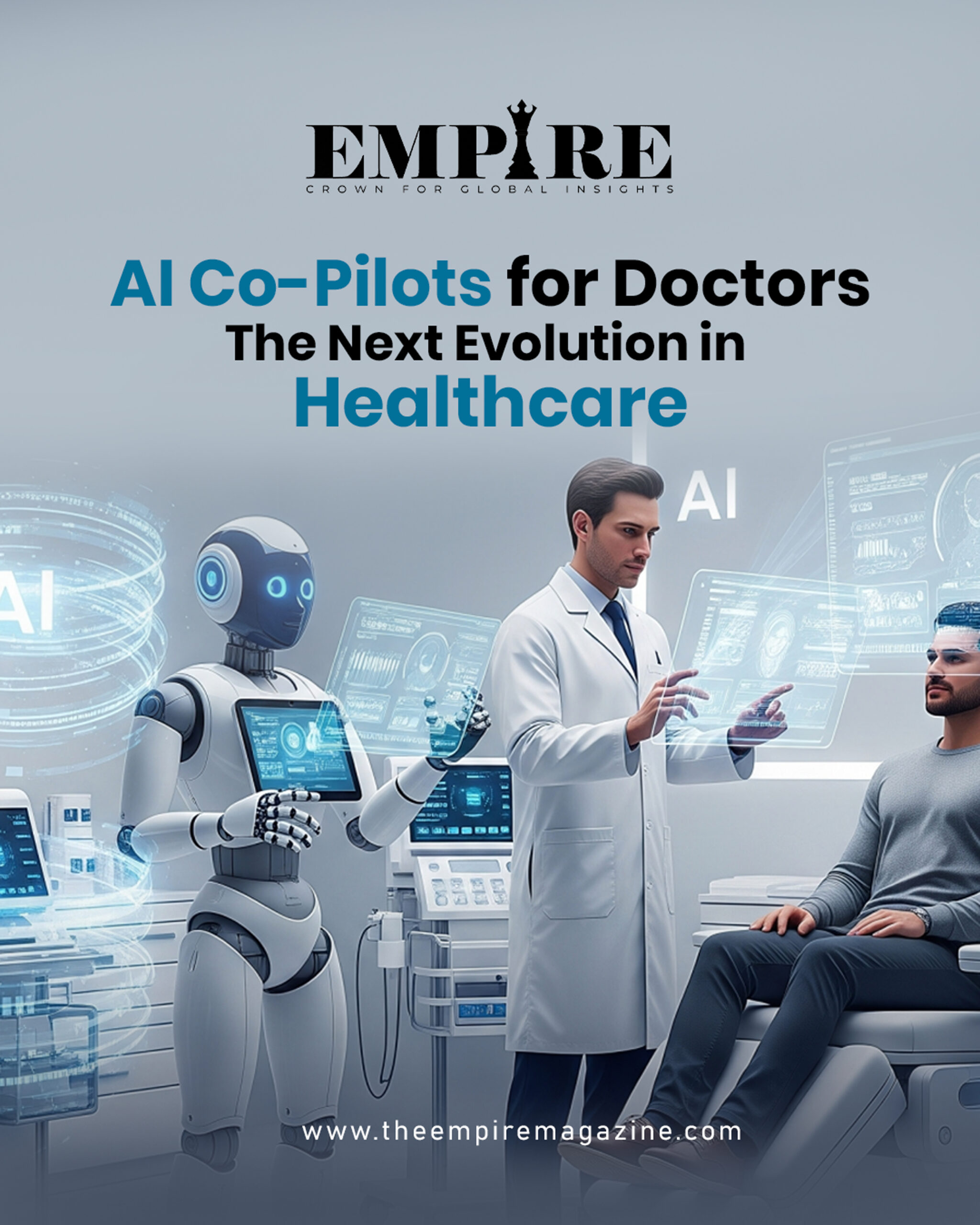
The healthcare industry is entering a new era powered by artificial intelligence. Among the most transformative innovations is the rise of AI Co-Pilots for Doctors, intelligent systems designed to assist clinicians in real-time decision-making, documentation, and patient care. These tools are not replacing doctors but empowering them to deliver faster, more accurate, and more personalized healthcare.
As medical systems worldwide face increasing pressure due to growing patient loads, administrative burdens, and resource limitations, AI co-pilots are emerging as a powerful solution. They are redefining how healthcare is delivered, making it more efficient, accessible, and patient-centric.
What Are AI Co-Pilots for Doctors?
AI Co-Pilots for Doctors are advanced artificial intelligence systems that work alongside healthcare professionals. These tools use natural language processing, machine learning, and data analytics to support clinical tasks such as:
- Medical documentation
- Clinical decision support
- Patient monitoring
- Treatment recommendations
- Data analysis and research
Unlike traditional software, AI co-pilots can understand context, interpret complex medical data, and provide intelligent suggestions. They act as digital assistants that enhance a doctor’s capabilities rather than replacing human judgment.
The Growing Need for AI in Healthcare
Modern healthcare systems are under immense strain. Doctors are required to manage more patients while also handling extensive documentation and administrative tasks. Studies show that clinicians often spend nearly as much time on electronic records as they do with patients.
This imbalance affects both efficiency and patient experience. When doctors are focused on screens instead of people, the quality of care suffers. AI co-pilots aim to solve this problem by automating routine tasks and allowing doctors to focus on what truly matters—patient care.
Enhancing Clinical Efficiency
One of the most significant advantages of AI Co-Pilots for Doctors is improved efficiency. These systems can automatically capture and summarize patient interactions, generate clinical notes, and organize medical records.
For example, AI-powered documentation tools can save valuable time during patient visits. Instead of manually typing notes, doctors can rely on AI to record conversations and convert them into structured medical data.
This not only reduces workload but also minimizes errors and improves data accuracy. As a result, healthcare providers can see more patients without compromising care quality.
Reducing Burnout Among Healthcare Professionals
Burnout is a growing concern in the medical field. Long hours, administrative overload, and high stress levels are leading many professionals to leave the industry. AI co-pilots offer a practical solution by reducing repetitive tasks and improving work-life balance.
Research shows that clinicians using AI-powered tools experience reduced fatigue and are less likely to leave their organizations.
By automating routine processes, AI allows doctors to focus on meaningful interactions and professional development. This shift not only benefits healthcare providers but also improves overall patient outcomes.
Improving Patient Care and Experience
AI Co-Pilots for Doctors are not just about efficiency—they are also transforming patient care. These systems enable:
- Faster diagnosis through data analysis
- Personalized treatment plans
- Continuous patient monitoring
- Better communication between patients and providers
AI can analyze large volumes of medical data, including patient history, lab results, and research findings, to support clinical decision-making.
This leads to more accurate diagnoses and tailored treatments. Additionally, AI-powered tools can provide real-time insights, helping doctors respond quickly to changes in a patient’s condition.
Patients also benefit from improved interactions. With less time spent on documentation, doctors can engage more meaningfully with patients, building trust and improving satisfaction.
Accelerating Medical Research and Innovation
Another major advantage of AI co-pilots is their role in advancing medical research. These systems can process vast amounts of scientific data, identify patterns, and generate insights that would take humans significantly longer to uncover.
AI is already being used in areas such as:
- Drug discovery
- Genomics and personalized medicine
- Epidemiology and disease tracking
By accelerating research processes, AI co-pilots are helping bring new treatments and innovations to market faster.
This has the potential to revolutionize healthcare by enabling more effective and targeted therapies.
Supporting Decision-Making with Data
Healthcare decisions are complex and often require analyzing multiple data points. AI co-pilots provide decision support by integrating patient data, medical guidelines, and research findings into a single system.
These tools can suggest possible diagnoses, recommend treatments, and highlight potential risks. However, it is important to note that AI serves as a support system, not a replacement for human expertise.
Doctors remain in control, using AI insights to make informed decisions while considering patient-specific factors.
Challenges and Ethical Considerations
While the benefits of AI Co-Pilots for Doctors are significant, there are also challenges that must be addressed. These include:
- Data privacy and security concerns
- Algorithmic bias and fairness
- Integration with existing healthcare systems
- Resistance to adoption among professionals
Protecting patient data is a top priority. AI systems must comply with strict regulations and implement advanced cybersecurity measures to ensure confidentiality.
Ethical considerations are equally important. AI must be transparent, unbiased, and accountable to maintain trust in healthcare systems.
The Future of AI Co-Pilots in Healthcare
The future of AI co-pilots is incredibly promising. As technology continues to evolve, these systems will become more advanced, intuitive, and integrated into healthcare workflows.
Key trends to watch include:
- Increased use of conversational AI in patient care
- Integration with wearable devices for real-time monitoring
- Expansion of telehealth services
- Greater adoption of personalized medicine
AI co-pilots will play a central role in shaping the future of healthcare, making it more efficient, accessible, and patient-focused.
For more insights, visit:
https://theempiremagazine.com/?p=6018
Stay connected with us:
Instagram: https://www.instagram.com/the_empire_magazine/
Facebook: https://www.facebook.com/profile.php?id=61573749076160
– The Empire Magazine
Crown For Global Insights