Subscription-based healthcare is rapidly emerging as a transformative force in the global healthcare system. As patients demand more accessible, transparent, and personalized care, traditional fee-for-service models are struggling to keep pace. This shift has led to the rise of subscription-based models, where patients pay a fixed monthly or annual fee for a defined set of healthcare services.
This innovative approach is not only changing how healthcare is delivered but also redefining the relationship between patients and providers. By removing barriers such as complex billing systems and unpredictable costs, subscription-based healthcare is making quality care more accessible than ever before.
Understanding Subscription-Based Healthcare
To fully grasp how subscription-based healthcare is changing patient access, it’s important to understand how the model works. Instead of paying per visit or relying heavily on insurance, patients subscribe to healthcare services for a fixed fee. This fee typically covers routine consultations, preventive care, and sometimes even chronic disease management.
This model eliminates the need for traditional insurance intermediaries and simplifies the entire healthcare experience. Patients know exactly what they are paying for, and providers can focus more on care rather than administrative tasks.
Common types of subscription-based healthcare models include:
- Direct Primary Care (DPC): Focuses on comprehensive and preventive care
- Concierge Medicine: Offers premium, highly personalized services
- Hybrid Models: Combine subscription services with traditional insurance
Each model caters to different patient needs, making healthcare more flexible and adaptable.
Improving Patient Access to Care
One of the biggest advantages of subscription-based healthcare is improved access. Traditional healthcare systems often involve long wait times, limited appointment availability, and complex insurance procedures. Subscription models address these issues by offering:
- Faster appointment scheduling
- Direct communication with healthcare providers
- Longer consultation times
- Continuous care without additional costs
Patients are no longer restricted by insurance approvals or high out-of-pocket expenses for every visit. This leads to a more proactive approach to healthcare, where individuals seek care early rather than delaying treatment.
Transparency and Predictable Costs
Financial uncertainty is one of the major challenges in traditional healthcare systems. Subscription-based healthcare solves this problem by offering predictable pricing. Patients pay a fixed monthly fee, which eliminates surprise bills, deductibles, and hidden charges.
Studies show that nearly half of consumers are interested in subscription healthcare, with many valuing transparent pricing and consistent costs.
This transparency not only builds trust but also encourages more people to seek regular medical attention. When patients are confident about costs, they are more likely to prioritize their health without financial hesitation.
Enhancing Patient Engagement and Relationships
Another significant impact of subscription-based healthcare is improved patient engagement. In traditional systems, doctors often have limited time per patient due to high patient volumes. This can result in rushed consultations and reduced quality of care.
Subscription models change this dynamic by allowing providers to focus on fewer patients with more personalized attention. This leads to:
- Stronger doctor-patient relationships
- Better understanding of patient history
- More accurate diagnoses and treatment plans
- Increased patient satisfaction
With direct access to healthcare providers, patients feel more connected and involved in their care journey.
Benefits for Healthcare Providers
While patients benefit from improved access and affordability, healthcare providers also gain significant advantages. Subscription-based healthcare offers:
- Consistent Revenue Streams: Predictable income helps stabilize operations
- Reduced Administrative Burden: Less time spent on insurance claims and billing
- Improved Work-Life Balance: Lower patient volumes reduce burnout
- Enhanced Care Delivery: More time to focus on patient outcomes
This model creates a win-win situation, where both patients and providers experience better outcomes.
Technology Driving the Transformation
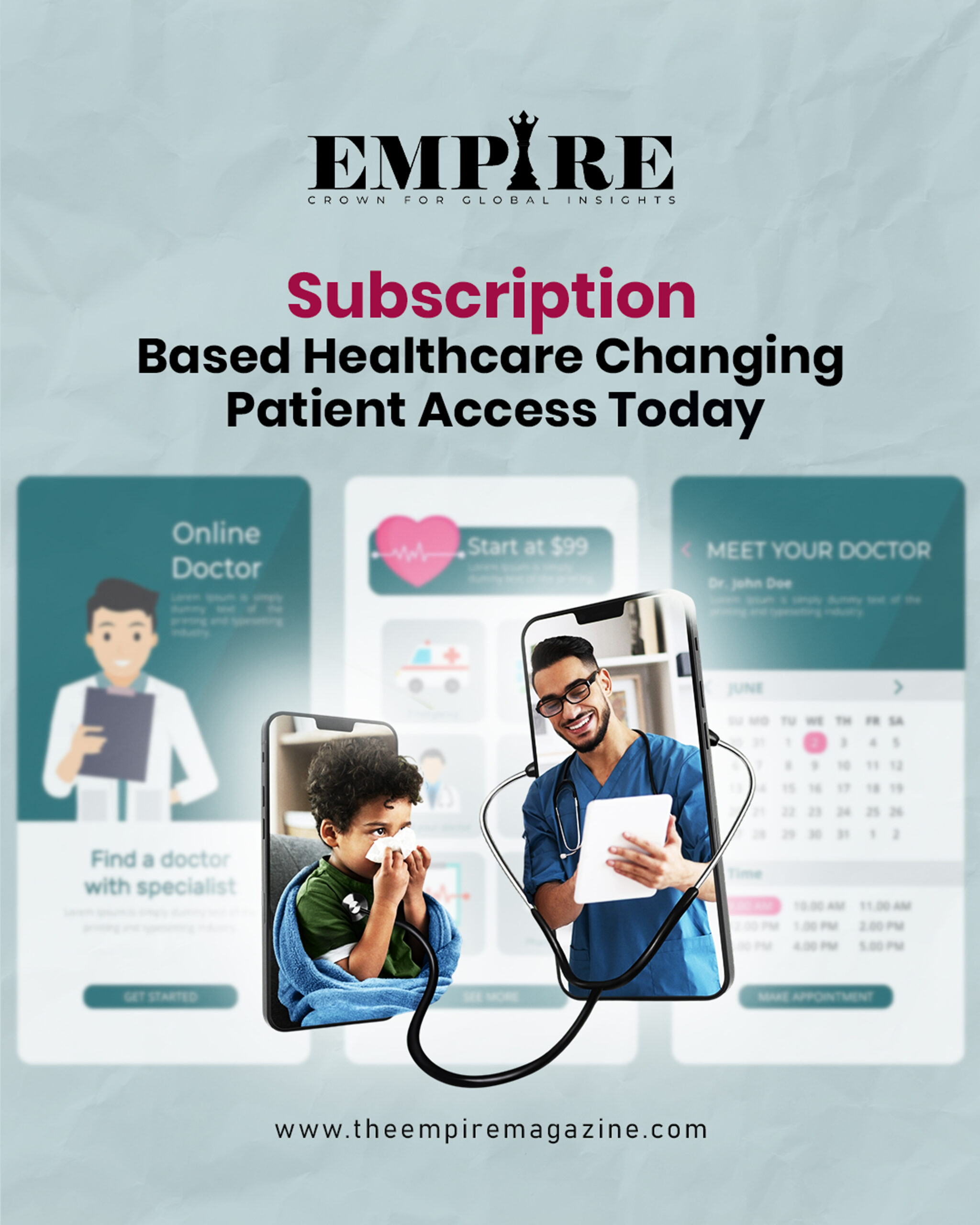
Technology plays a crucial role in the success of subscription-based healthcare. Digital platforms, telehealth services, and electronic health records enable seamless communication and efficient care delivery.
Patients can schedule appointments, consult doctors, and access medical records through mobile apps and online platforms. This digital integration enhances convenience and ensures continuous care, especially for those in remote or underserved areas.
Telehealth, in particular, has become a key component of subscription models, allowing patients to receive care without visiting a clinic physically.
Challenges and Concerns
Despite its many advantages, subscription-based healthcare is not without challenges. One of the primary concerns is affordability for lower-income groups. While the model offers predictable pricing, some patients worry about the monthly cost.
Research indicates that a significant percentage of individuals fear that subscription healthcare may become accessible only to wealthier populations.
Other challenges include:
- Limited coverage for specialized or emergency care
- Regulatory and legal considerations
- Patient awareness and acceptance
- Transitioning from traditional systems
To address these concerns, healthcare providers must focus on affordability, transparency, and education.
The Future of Subscription-Based Healthcare
The future of subscription-based healthcare looks promising as the demand for personalized and accessible care continues to grow. Several trends are expected to shape its evolution:
- Expansion of Telehealth Services: Increasing accessibility for remote patients
- Employer-Sponsored Plans: Companies offering subscriptions as employee benefits
- Data-Driven Personalization: Using analytics to tailor healthcare services
- Integration with Value-Based Care: Focus on preventive care and long-term outcomes
As more providers adopt this model, it has the potential to redefine healthcare systems globally.
Why This Shift Matters
The rise of subscription-based healthcare represents a fundamental shift in how healthcare is perceived and delivered. It moves the focus from reactive treatment to proactive care, emphasizing prevention, accessibility, and patient satisfaction.
This transformation is particularly important in a world where healthcare costs are rising, and patients are seeking more control over their medical decisions. By simplifying processes and improving access, subscription-based healthcare is creating a more inclusive and efficient system.
For more insights, visit:
https://theempiremagazine.com/?p=6015
Stay connected with us:
Instagram: https://www.instagram.com/the_empire_magazine/
Facebook: https://www.facebook.com/profile.php?id=61573749076160
The Empire Magazine
Crown For Global Insights