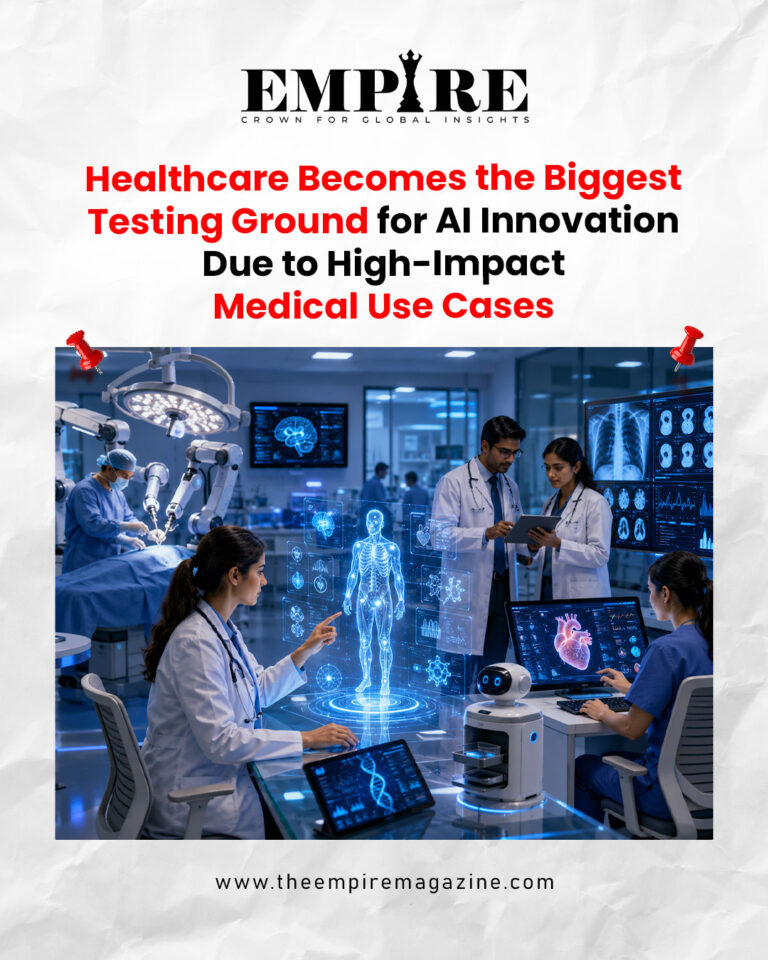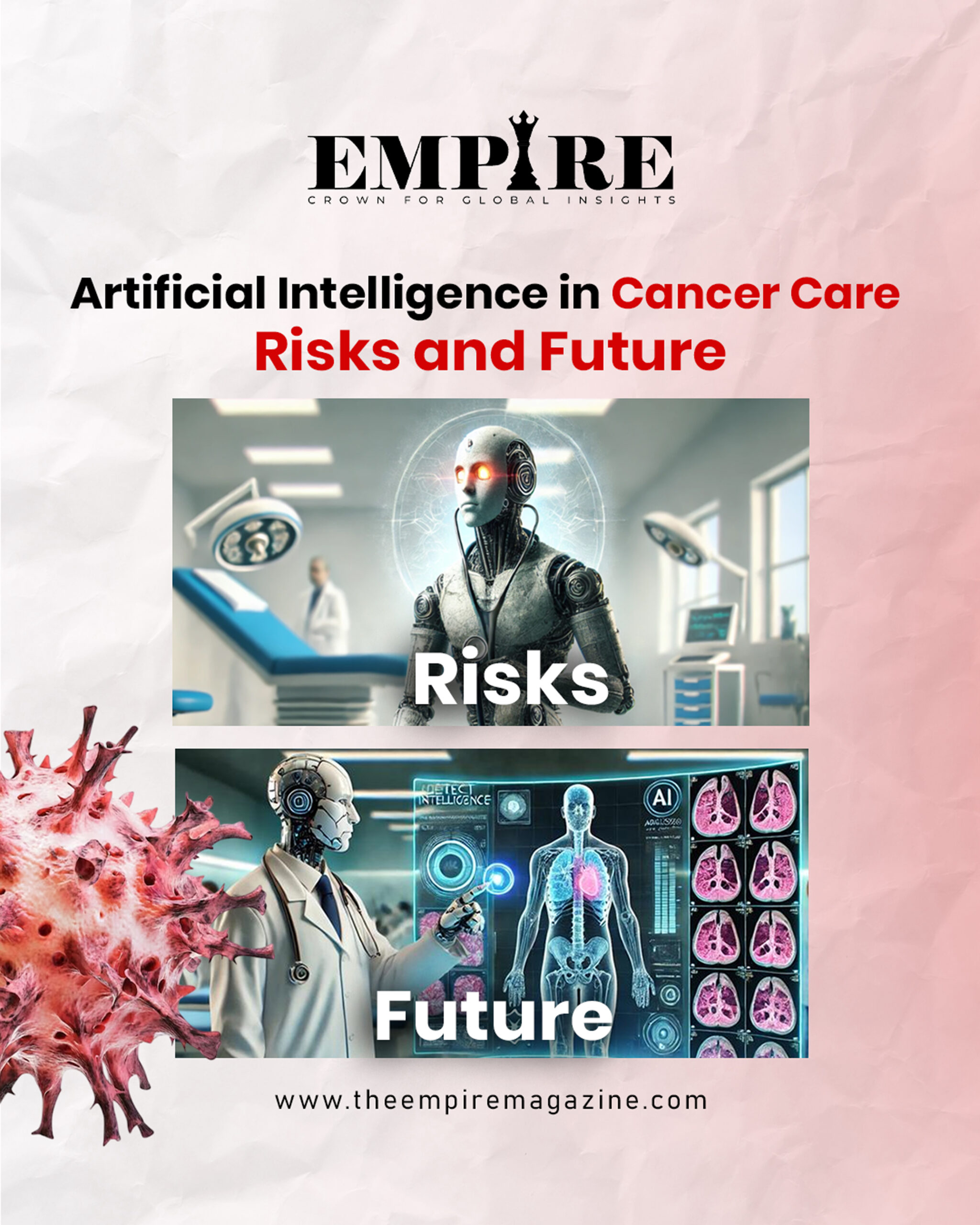
Artificial Intelligence in Cancer Care is revolutionizing modern medicine by introducing advanced tools that enhance diagnosis, treatment planning, and patient outcomes. As healthcare systems increasingly adopt digital technologies, AI has emerged as a powerful ally for oncologists, offering data-driven insights and faster decision-making capabilities. However, despite its immense promise, Artificial Intelligence in Cancer Care also presents significant risks and challenges that must be carefully addressed.
The Rise of Artificial Intelligence in Cancer Care
Artificial Intelligence in Cancer Care is designed to support healthcare professionals by analyzing vast amounts of medical data. These systems use machine learning algorithms and natural language processing to interpret patient histories, clinical reports, and research findings within seconds. This allows doctors to access evidence-based recommendations and tailor treatments to individual patients.
The primary goal of Artificial Intelligence in Cancer Care is to improve accuracy, reduce diagnosis time, and enhance patient outcomes. By identifying patterns that may not be visible to the human eye, AI systems can assist in early detection and personalized treatment planning, which are critical in oncology.
The Reality Behind AI Implementation
While the concept of Artificial Intelligence in Cancer Care is promising, real-world implementation has revealed several critical issues. Some AI-driven oncology tools have produced inaccurate or even unsafe treatment recommendations. These problems often stem from limitations in how the systems are trained.
Instead of relying on extensive real-world patient data, certain AI models have been trained using limited or synthetic datasets. As a result, their recommendations may lack depth and fail to reflect the complexity of real-life clinical scenarios. This highlights the importance of using diverse and comprehensive datasets to ensure reliable outcomes .
The Problem with Limited Training Data
One of the biggest challenges in Artificial Intelligence in Cancer Care is the quality and diversity of training data. When AI systems are trained on narrow datasets or limited expert input, their ability to adapt to diverse patient populations becomes restricted.
Cancer treatment is highly personalized, and even small inaccuracies can have serious consequences. If AI systems fail to consider variations in patient conditions, genetics, and regional practices, their recommendations may not be suitable for real-world use.
Additionally, relying on a small group of specialists for training can introduce bias into the system. This may lead to recommendations that reflect individual opinions rather than widely accepted clinical guidelines.
Variability in Clinical Accuracy
The effectiveness of Artificial Intelligence in Cancer Care varies significantly across different types of cancer. In some cases, AI systems show high agreement with physician decisions, indicating their potential as supportive tools.
However, in other cases, the alignment between AI recommendations and medical experts is inconsistent. Certain cancer types have shown low concordance rates, meaning that doctors often rely on their own judgment rather than AI suggestions.
This variability demonstrates that while AI can assist in decision-making, it cannot yet replace the expertise and experience of healthcare professionals. Human judgment remains essential in ensuring accurate and safe treatment decisions .
Regional Differences and Practical Challenges
Artificial Intelligence in Cancer Care also faces challenges related to regional differences in healthcare systems. Medical practices, treatment availability, and regulatory frameworks vary widely across countries and regions.
AI systems trained on data from one region may not perform effectively in another. For example, certain treatments recommended by AI may not be available or affordable in specific areas. This creates a gap between AI recommendations and practical implementation.
To address this issue, AI systems must be adapted to local healthcare environments. Incorporating regional data and practices can improve their relevance and usability in diverse settings.
The Importance of Human Expertise
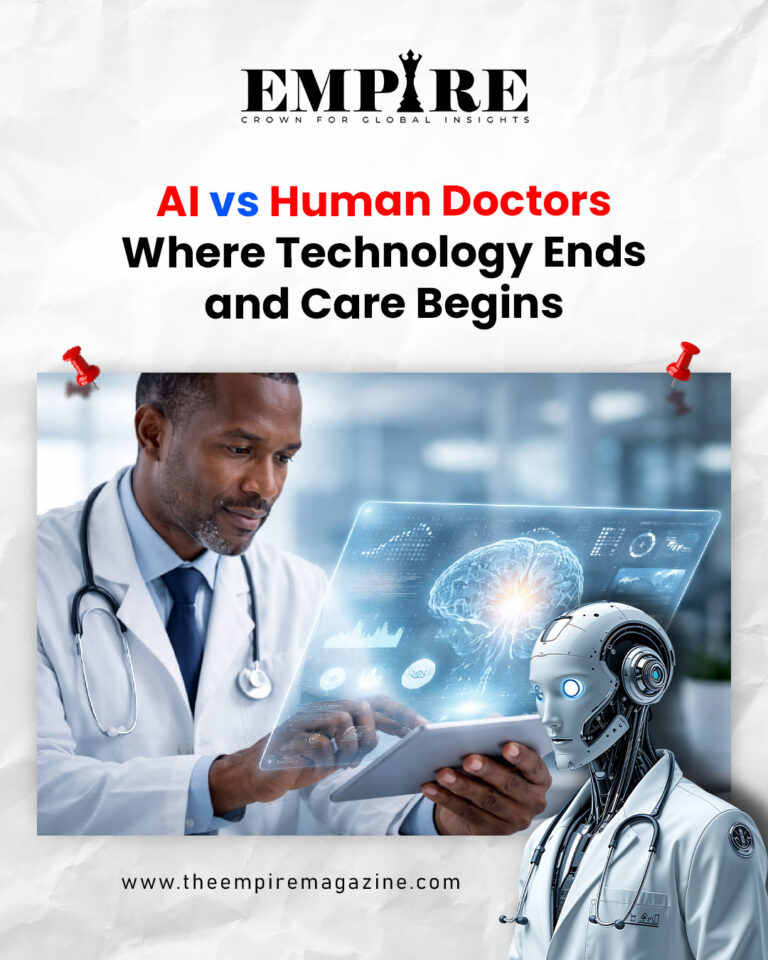
Despite advancements in Artificial Intelligence in Cancer Care, human expertise remains irreplaceable. Doctors bring critical thinking, clinical experience, and an understanding of patient preferences that AI systems cannot replicate.
AI should be viewed as a supportive tool rather than a replacement for healthcare professionals. By combining AI-driven insights with human judgment, doctors can make more informed and balanced decisions.
Continuous feedback from clinicians is also essential for improving AI systems. Real-world data and patient outcomes must be integrated into the training process to enhance accuracy and reliability over time.
Ethical and Safety Concerns
The use of Artificial Intelligence in Cancer Care raises important ethical and safety issues. Inaccurate recommendations can lead to inappropriate treatments, potentially putting patients at risk.
Transparency in AI development is crucial to ensure trust and accountability. Healthcare organizations must implement strict validation processes to evaluate the performance and safety of AI systems.
Data privacy is another major concern. AI systems require access to sensitive patient information, making it essential to establish strong security measures to protect data from misuse or breaches.
The Future of AI in Oncology
Despite its challenges, Artificial Intelligence in Cancer Care holds tremendous potential for the future. With improvements in data quality, system design, and training methodologies, AI can become a powerful tool for enhancing cancer treatment.
Future developments should focus on:
- Integrating diverse and real-world datasets
- Improving system accuracy and reliability
- Enhancing collaboration between AI and healthcare professionals
- Adapting AI solutions to regional healthcare needs
Collaboration between technology developers, medical experts, and policymakers will play a key role in shaping the future of AI in oncology. By working together, stakeholders can create systems that are safe, effective, and accessible to all.
For more insights on healthcare innovation and global developments, visit:
https://theempiremagazine.com/?p=5985
Stay connected with us:
Instagram: https://www.instagram.com/the_empire_magazine/
Facebook: https://www.facebook.com/profile.php?id=61573749076160
– The Empire Magazine
Crown For Global Insights