The future workforce skills 2030 are rapidly redefining how individuals build careers and how organizations prepare for long-term success. The workplace is undergoing one of the most significant transformations in history, driven by artificial intelligence, automation, digital acceleration, and global connectivity. What worked a decade ago is no longer enough, and what works today may not remain relevant tomorrow.
This shift is not just about technology replacing jobs. It is about redefining the nature of work itself. The most valuable professionals in the coming years will not simply be those with technical expertise, but those who can combine human intelligence with digital capability. The future workforce skills 2030 represent this powerful blend of adaptability, creativity, emotional intelligence, and technological fluency.
As industries evolve, professionals and businesses must rethink how they approach learning, hiring, and development. The ability to continuously adapt and learn new skills will become the most important competitive advantage in the modern workforce.
Understanding Emerging Skills in a Changing World
At the core of the future workforce skills 2030 is the concept of emerging skills. These are not just new abilities but rapidly growing competencies that are becoming essential due to technological and social changes. Unlike traditional skills that remain stable for years, emerging skills evolve quickly and require continuous updating.
One important factor driving this change is the decreasing lifespan of skills. In today’s environment, the value of a specific skill may decline within a few years. This means professionals must constantly learn, unlearn, and relearn to stay relevant.
The demand for these skills is also driven by innovation. Technologies like artificial intelligence, robotics, and advanced analytics are transforming industries. As a result, businesses are actively seeking individuals who can navigate these changes effectively.
The Impact of AI on the Workforce
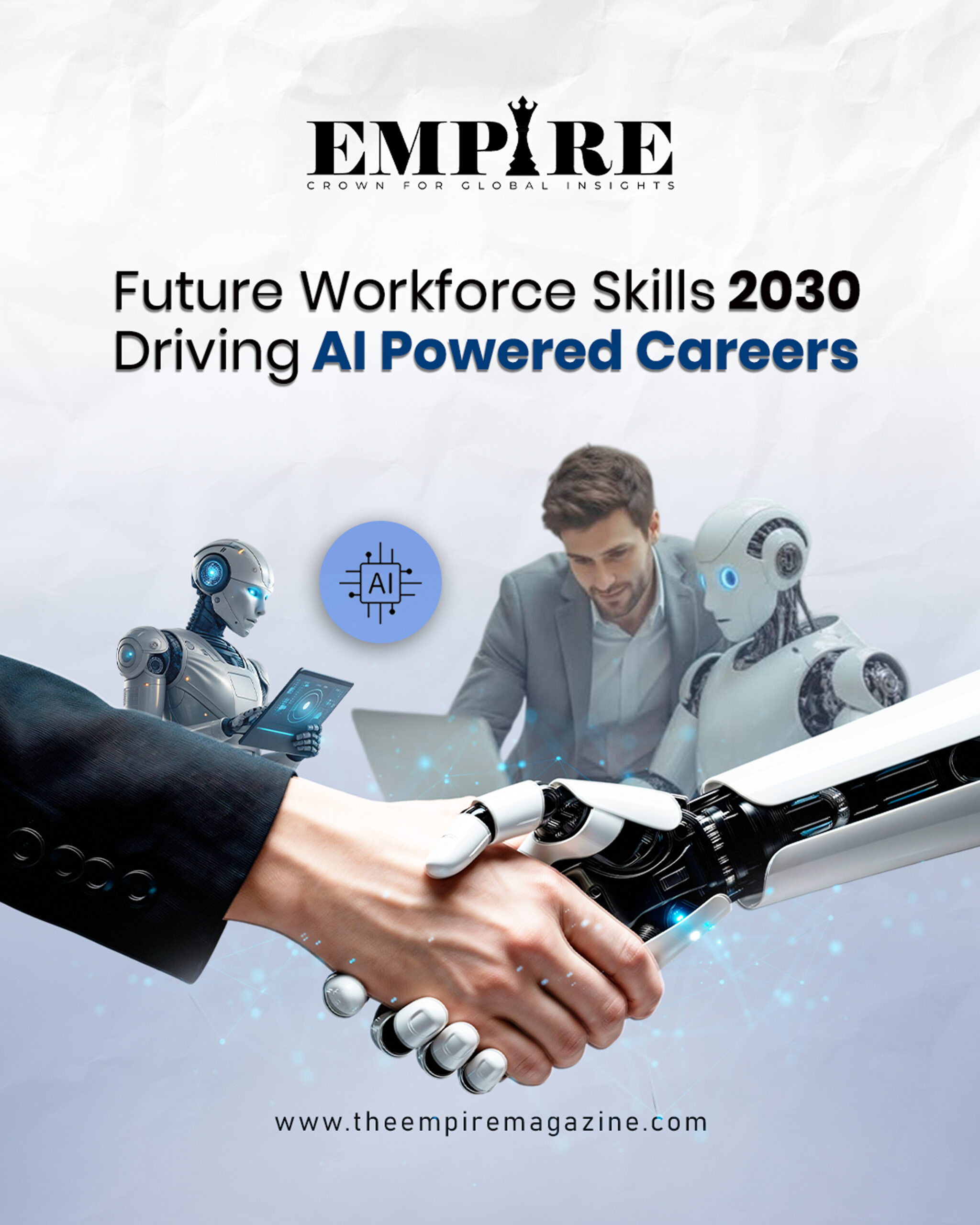
Artificial intelligence is one of the biggest forces shaping the future workforce skills 2030. Rather than simply replacing jobs, AI is transforming roles and responsibilities. Routine and repetitive tasks are increasingly handled by machines, while human workers focus on higher-value activities such as strategy, creativity, and relationship building.
This transformation creates both challenges and opportunities. Some roles may become obsolete, but new roles are emerging that require a different set of skills. Professionals who understand how to work alongside AI, rather than compete with it, will have a significant advantage.
The key insight is simple: success in the future workforce will depend on how well individuals can leverage AI tools to enhance productivity and innovation.
The Rise of Human-Centric Skills
While technology continues to advance, the importance of human skills is growing even stronger. The future workforce skills 2030 place a strong emphasis on emotional intelligence, empathy, and communication.
These skills are essential because machines cannot replicate human understanding, trust, and connection. In roles such as leadership, healthcare, education, and customer engagement, the ability to understand people and build relationships remains irreplaceable.
Emotional intelligence also plays a crucial role in team collaboration. As workplaces become more diverse and global, professionals must be able to work effectively with individuals from different backgrounds and cultures.
Digital and Data Literacy as Core Competencies
Another critical component of the future workforce skills 2030 is digital literacy. Nearly every job in the future will require some level of interaction with digital tools, platforms, and systems. This includes understanding how to use software, analyze data, and interpret digital information effectively.
Data literacy, in particular, is becoming essential. Professionals must be able to read, interpret, and apply data insights in decision-making processes. This skill is no longer limited to analysts or technical roles. It is becoming a universal requirement across industries.
The ability to combine data insights with human judgment will define high-performing professionals in the future.
Creativity and Problem-Solving in the AI Era
As automation handles routine tasks, creativity and problem-solving are becoming more valuable than ever. The future workforce skills 2030 emphasize the ability to think critically, innovate, and design solutions for complex challenges.
Creativity is not limited to artistic fields. It applies to business strategy, product development, marketing, and operations. Professionals who can think differently and generate new ideas will be key drivers of innovation.
Problem-solving is equally important. In a rapidly changing environment, professionals must be able to adapt quickly and find solutions to unexpected challenges. This requires a combination of analytical thinking and creative insight.
The Importance of Lifelong Learning
One of the most defining aspects of the future workforce skills 2030 is the need for continuous learning. The traditional model of education—where individuals learn once and apply those skills for decades—is no longer effective.
Instead, professionals must adopt a lifelong learning mindset. This means continuously updating skills, exploring new technologies, and staying informed about industry trends.
Organizations also play a role in this process. Companies that invest in employee development and training programs are more likely to stay competitive. A culture of learning not only improves individual performance but also drives innovation and growth.
AI Collaboration and New Career Opportunities
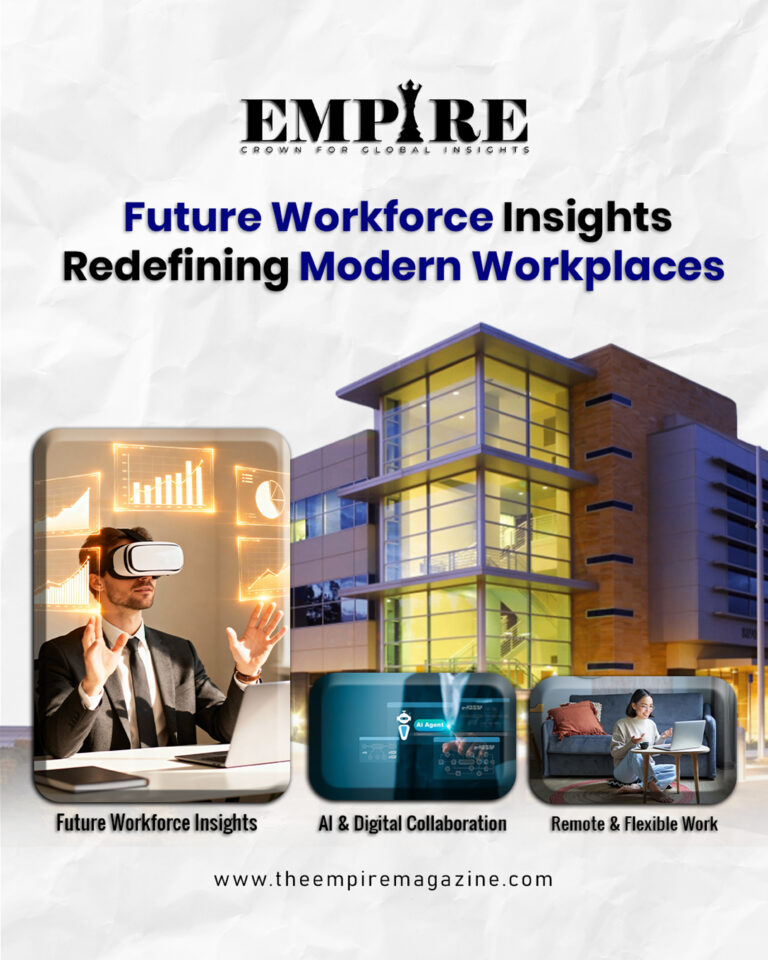
The future workforce skills 2030 also include the ability to collaborate with AI systems. This involves understanding how to guide AI tools, interpret their outputs, and ensure they align with business goals.
New roles are emerging in this area, including AI orchestrators, data strategists, and technology ethicists. These roles require a combination of technical knowledge and strategic thinking.
Professionals who develop these hybrid skills will be well-positioned to take advantage of new career opportunities in the evolving job market.
Adapting to Remote and Flexible Work Models
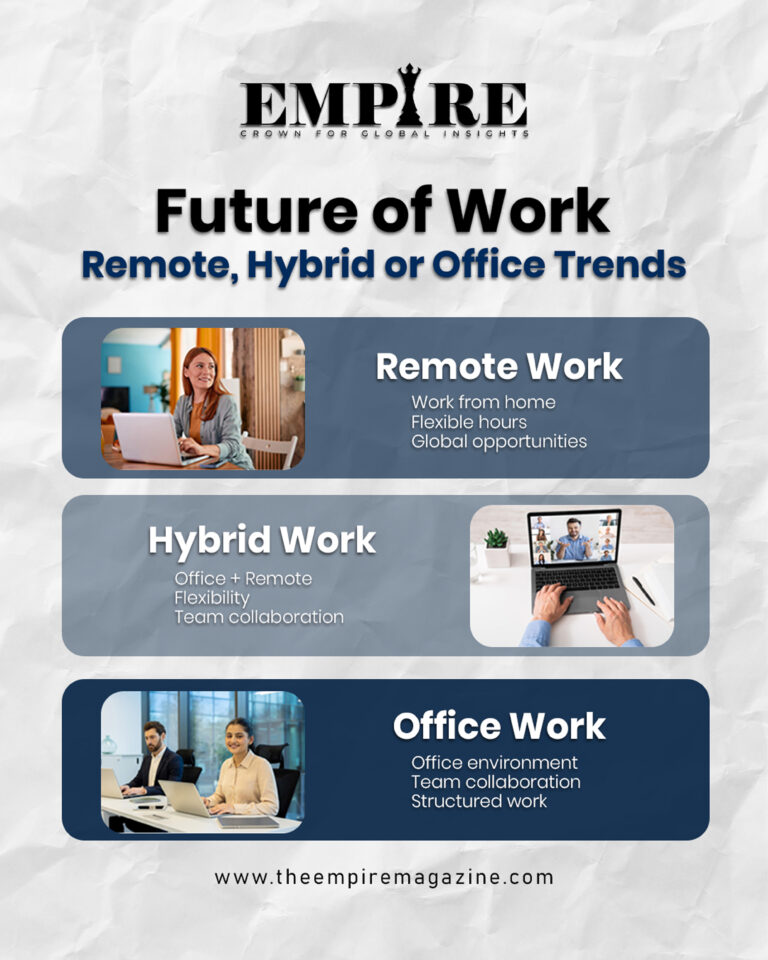
The future of work is also becoming more flexible. Remote and hybrid work models are expected to become the norm in many industries. This shift requires new skills related to communication, time management, and self-discipline.
The future workforce skills 2030 include the ability to collaborate effectively in digital environments. Professionals must be comfortable using virtual tools, managing remote teams, and maintaining productivity without traditional office structures.
This flexibility also opens up new opportunities for global collaboration, allowing individuals to work with teams and clients from around the world.
Building a Future-Ready Career
To succeed in the era of the future workforce skills 2030, individuals must take a proactive approach to career development. This starts with self-awareness—understanding strengths, weaknesses, and areas for growth.
Developing a balanced skill set is essential. This includes combining technical expertise with soft skills such as communication, leadership, and adaptability. Professionals should also focus on building a personal brand and expanding their professional network.
The ability to adapt, learn, and evolve will be the most important factor in long-term career success.
For more insights, visit:
https://theempiremagazine.com/?p=5951
Stay connected with us:
Instagram: https://www.instagram.com/the_empire_magazine/
Facebook: https://www.facebook.com/profile.php?id=61573749076160
– The Empire Magazine
Crown For Global Insights