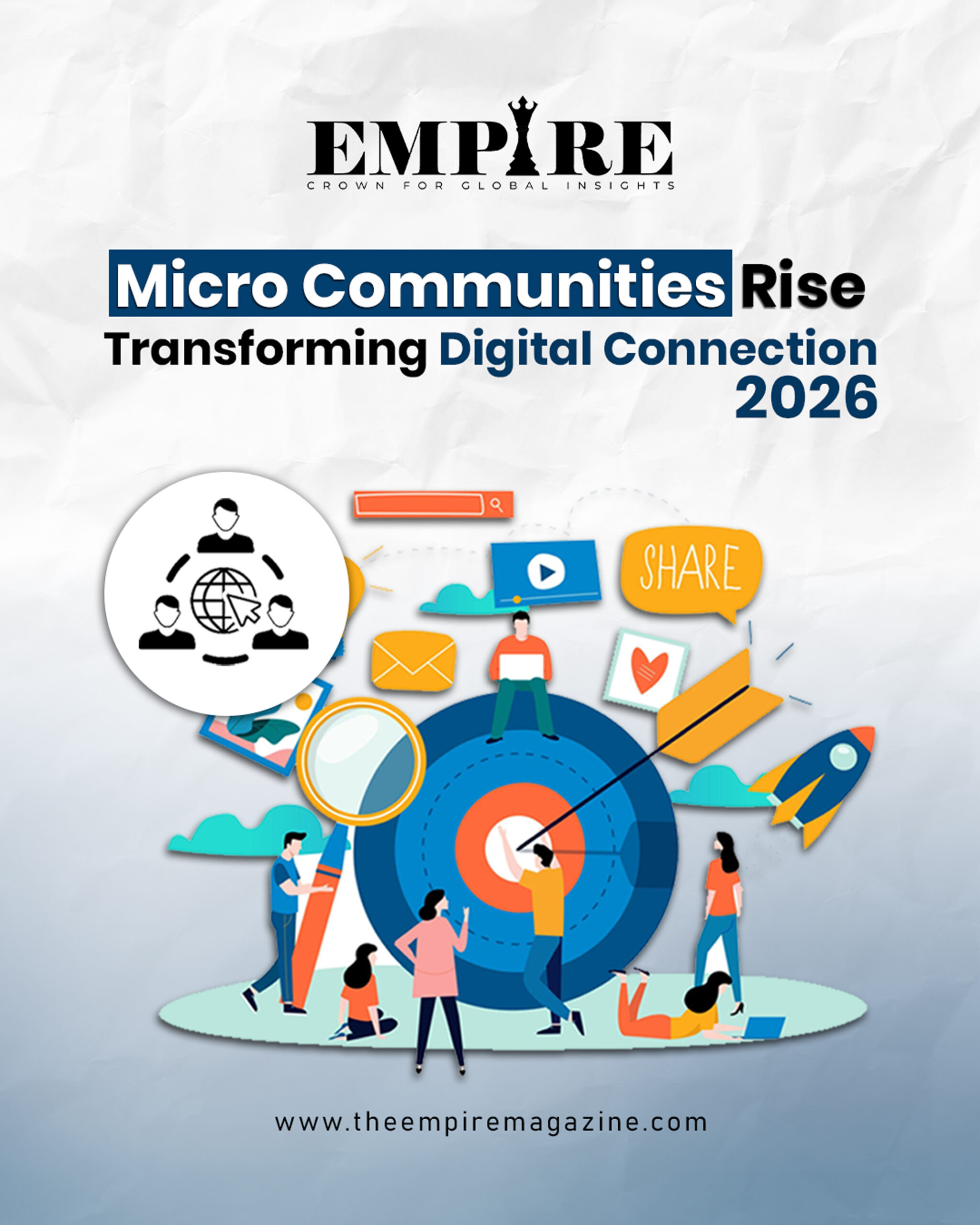
In today’s hyperconnected world, where social media platforms and digital networks dominate daily life, people are paradoxically feeling more disconnected than ever. While technology has made communication faster and more accessible, it has also created noise, superficial interactions, and a lack of meaningful relationships. This is where the micro communities rise is reshaping how individuals connect, collaborate, and belong.
Micro communities are small, highly focused groups of individuals who share a specific interest, lifestyle, or goal. Unlike large online communities that often feel impersonal, micro communities offer deeper engagement, stronger relationships, and a sense of belonging that many people are actively seeking.
What Are Micro Communities?
The micro communities rise is driven by a shift toward more meaningful and intentional interactions. A micro community typically consists of a small group of people—often between 50 to 500 members—who are united by a shared purpose or interest.
These communities are not just about numbers; they are about relevance and connection. Members join because they genuinely care about the topic, whether it’s a niche hobby, a professional field, or a shared lifestyle.
For example, instead of joining a general fitness group, individuals might join a micro community focused on yoga for remote workers or strength training for beginners. This level of specificity makes interactions more meaningful and engaging.
Why Micro Communities Are Growing Rapidly
The micro communities rise is not a coincidence—it is a response to the limitations of large-scale digital platforms. As online spaces become more crowded, users are seeking environments where they feel seen, heard, and valued.
1. Escaping Digital Noise
Modern digital platforms are filled with endless content, advertisements, and distractions. This overload makes it difficult for individuals to find relevant and meaningful interactions.
Micro communities cut through this noise by focusing on specific topics and interests. This creates a more curated and personalized experience, allowing members to engage more deeply.
2. Desire for Personal Connection
Despite being constantly connected online, many people feel isolated. Micro communities address this by fostering genuine relationships.
Because these groups are smaller, members can recognize each other, build trust, and develop meaningful connections. This human element is a key factor behind the micro communities rise.
3. Shift from Quantity to Quality
In the past, success in digital communities was often measured by size—more members, more followers, more reach. However, this approach often resulted in low engagement.
Today, the focus is shifting toward quality interactions. Micro communities prioritize engagement over scale, making them more effective for both individuals and businesses.
Benefits of Micro Communities
The micro communities rise is creating significant value across different areas, from personal relationships to business growth.
Stronger Engagement and Loyalty
In micro communities, members are more active and involved. Conversations are more relevant, and participation levels are higher. This leads to stronger engagement and long-term loyalty.
Personalized Experiences
Because these communities are built around specific interests, they can offer tailored content, events, and interactions. This personalization enhances the overall experience for members.
Increased Collaboration and Innovation
Small, focused groups often encourage collaboration. Members share ideas, provide feedback, and work together on projects. This environment fosters creativity and innovation.
Better Insights and Feedback
For businesses, micro communities provide valuable insights into customer needs and preferences. Because interactions are more detailed and specific, feedback is more actionable.
Real-World Examples of Micro Communities
The micro communities rise can be seen across various industries and everyday life.
Hybrid Hobby Groups
Spaces where multiple interests intersect are becoming popular. For example, a café hosting creative workshops or a fitness center organizing social events for members.
Industry-Specific Networks
Professionals are forming smaller, niche networks that go beyond traditional networking. These groups provide peer support, knowledge sharing, and career growth opportunities.
Lifestyle-Based Communities
Modern communities are often built around lifestyles rather than just activities. Examples include co-working spaces for creatives or travel groups for entrepreneurs.
These examples highlight how micro communities are redefining connection in both personal and professional contexts.
Micro Communities vs Traditional Communities
Understanding the difference between micro communities and traditional communities helps explain their growing popularity.
Traditional communities are large and broad, covering multiple topics and interests. While they offer wide reach, they often lack depth and engagement.
Micro communities, on the other hand, are focused and intimate. They prioritize meaningful interactions over mass participation. This makes them more effective in building strong relationships and delivering value.
This shift is a key driver behind the micro communities rise.
The Role of Technology in Micro Communities
Technology plays a crucial role in enabling the micro communities rise. Platforms such as messaging apps, forums, and private groups make it easier to create and manage these communities.
Digital tools allow for real-time communication, personalized content, and seamless collaboration. They also make it possible to connect people with similar interests, regardless of location.
As technology continues to evolve, micro communities are expected to become even more sophisticated and impactful.
The Future of Micro Communities
Looking ahead, the micro communities rise is expected to continue shaping the way people connect and interact.
AI-Powered Personalization
Artificial intelligence will enhance micro communities by providing personalized recommendations, matching members with similar interests, and improving engagement.
Hybrid Models
The future of micro communities will likely combine online and offline experiences. Local meetups, workshops, and events will strengthen connections formed online.
Community-Driven Growth
Micro communities will play a larger role in business strategies. Companies will use them to build stronger relationships with customers, gather insights, and drive innovation.
Why Micro Communities Matter More Than Ever
The importance of the micro communities rise lies in its ability to address a fundamental human need—the need to belong.
In a world where digital interactions often feel superficial, micro communities provide a space for authentic connections. They allow individuals to express themselves, share experiences, and build meaningful relationships.
For businesses, they offer a powerful way to engage with audiences on a deeper level. Instead of focusing on mass marketing, companies can build loyal communities that support long-term growth.
For more insights on digital trends and innovation, visit:
👉 https://theempiremagazine.com/?p=5917
Stay connected with us:
Instagram: https://www.instagram.com/the_empire_magazine/
Facebook: https://www.facebook.com/profile.php?id=61573749076160
– The Empire Magazine
Crown For Global Insights