In today’s digital world, Phishing Attacks have become one of the most dangerous and widespread cybersecurity threats. What makes these attacks particularly alarming is their simplicity. A single email, message, or link can lead to massive financial losses, data breaches, and long-term damage to individuals and organizations.
Unlike traditional cyber threats that rely on complex technical vulnerabilities, phishing attacks target human behavior. They exploit trust, urgency, and curiosity—making even the most cautious users vulnerable.
What Are Phishing Attacks?
Phishing attacks are a form of cybercrime where attackers disguise themselves as trusted entities to trick individuals into revealing sensitive information. Pasted text
These attacks typically aim to steal:
- Login credentials
- Banking information
- Personal identification data
- Business-sensitive information
They often come in the form of emails, text messages, or even phone calls that appear legitimate but are actually designed to deceive.
How Phishing Emails Work
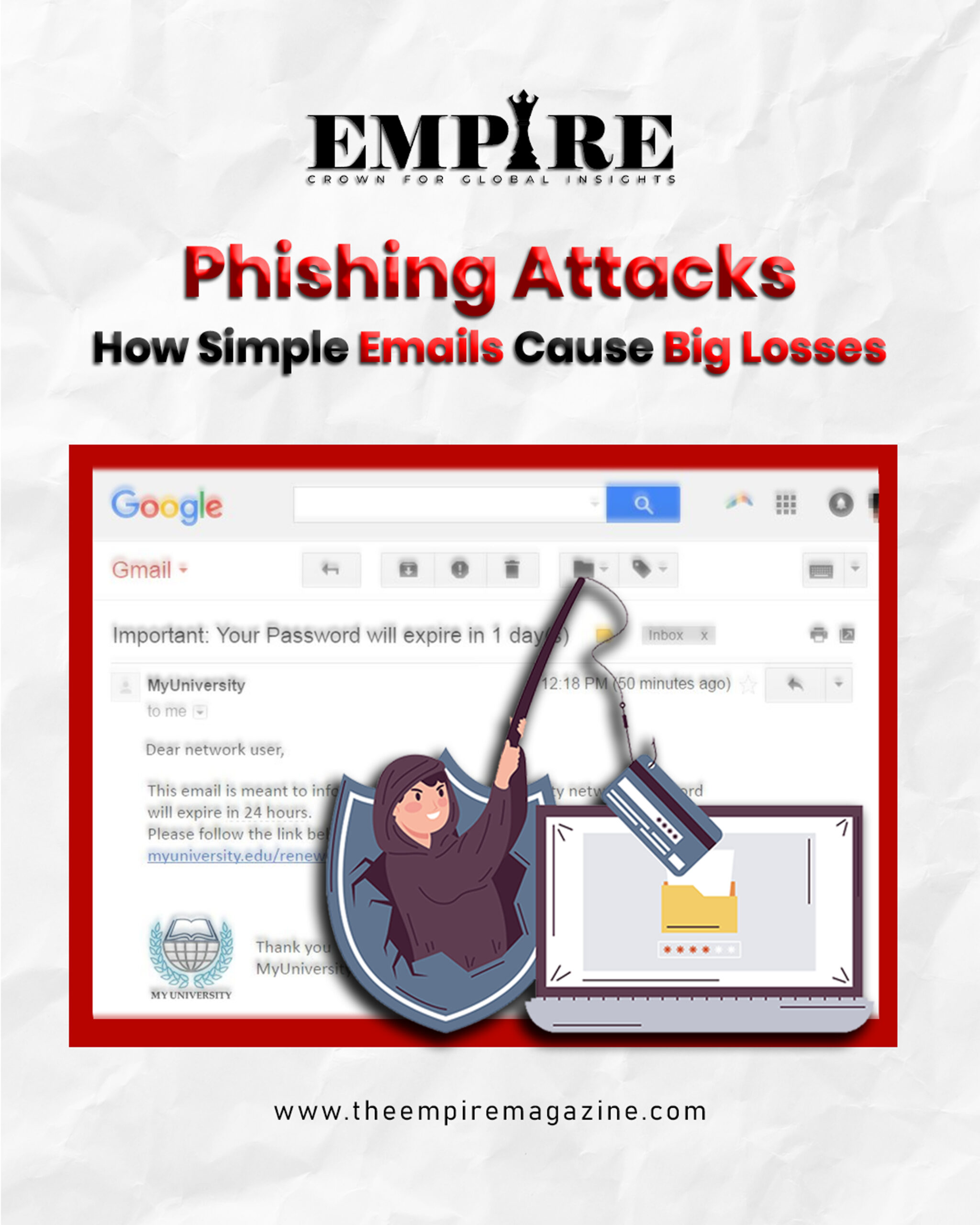
A phishing attack usually begins with a carefully crafted message that appears to come from a trusted source, such as a bank, company, or service provider.
Common tactics include:
- Creating a sense of urgency (e.g., “Your account will be suspended”)
- Mimicking official branding and logos
- Including links to fake websites
- Attaching malicious files
The goal is to make the recipient act quickly without verifying the authenticity of the message.
Why Phishing Is So Dangerous
Phishing attacks are highly effective because they target the human element rather than technical systems. Pasted text (2)
Key reasons why phishing is dangerous:
- It is easy and low-cost for attackers
- It can bypass advanced security systems
- It relies on human error
- It can lead to large-scale data breaches
In many cases, just one mistake—such as clicking a link—can compromise an entire system.
Types of Phishing Attacks
Phishing has evolved into various forms, each targeting users differently:
1. Email Phishing
The most common type, where attackers send fraudulent emails to trick users.
2. Spear Phishing
Targeted attacks aimed at specific individuals or organizations using personalized information.
3. Smishing
Phishing through SMS messages, often containing malicious links.
4. Vishing
Voice-based phishing using phone calls or recorded messages.
5. Whaling
Targeting high-level executives or decision-makers within organizations.
Each type uses similar psychological tactics but differs in delivery methods.
The Real Impact of Phishing Attacks
The consequences of phishing attacks can be severe and far-reaching.
1. Financial Loss
One of the most immediate impacts is financial damage. Victims may unknowingly authorize transactions or lose access to their accounts.
Businesses may face:
- Fraudulent payments
- Ransomware demands
- Loss of revenue
2. Data Breaches
Phishing attacks often lead to unauthorized access to sensitive data. This includes customer information, business secrets, and confidential communications.
Such breaches can result in:
- Legal penalties
- Loss of customer trust
- Regulatory issues
3. Operational Disruption
Organizations may experience downtime due to compromised systems. This affects productivity and delays operations.
4. Reputational Damage
A single phishing incident can damage a company’s reputation. Customers and partners may lose confidence in the organization’s ability to protect data.
5. Increased Security Costs
Recovering from a phishing attack involves:
- System repairs
- Security upgrades
- Legal expenses
- Training programs
These costs can be significant, especially for small and medium-sized businesses.
Industries Most Affected
Phishing attacks target industries that handle sensitive data and financial transactions, including:
- Banking and financial services
- E-commerce platforms
- Healthcare organizations
- Technology companies
- Social media platforms
These sectors are attractive targets due to the high value of the data they manage.
How AI Is Making Phishing More Advanced
Modern phishing attacks are becoming more sophisticated with the use of artificial intelligence.
AI enables attackers to:
- Create highly personalized messages
- Mimic writing styles and communication patterns
- Automate large-scale phishing campaigns
- Develop realistic voice and video impersonations
This evolution makes phishing harder to detect and increases its success rate.
Warning Signs of Phishing Emails
Recognizing phishing attempts is the first step in prevention.
Common warning signs include:
- Unexpected emails requesting sensitive information
- Urgent or threatening language
- Suspicious links or attachments
- Generic greetings instead of personalized names
- Unusual sender email addresses
Being aware of these signs can help avoid falling victim to scams.
How to Prevent Phishing Attacks
Preventing Phishing Attacks requires a combination of awareness and technology.
1. Verify Before You Click
Always check the sender’s email address and verify links before clicking.
2. Use Strong Passwords
Create unique passwords and update them regularly to reduce risk.
3. Enable Multi-Factor Authentication
This adds an extra layer of security even if credentials are compromised.
4. Avoid Downloading Unknown Attachments
Attachments may contain malware that can infect your system.
5. Stay Updated
Keep software and security systems updated to protect against vulnerabilities.
6. Educate Yourself and Your Team
Awareness is one of the most effective defenses against phishing attacks.
What to Do If You Fall Victim
If you suspect a phishing attack:
- Change your passwords immediately
- Inform your organization or service provider
- Monitor accounts for unusual activity
- Enable additional security measures
Acting quickly can minimize damage and prevent further risks.
For more insights, read here:
👉 https://theempiremagazine.com/?p=5822
Stay connected with us:
📸 Instagram: https://www.instagram.com/the_empire_magazine/
📘 Facebook: https://www.facebook.com/profile.php?id=61573749076160
– The Empire Magazien
Crown For Global Insights