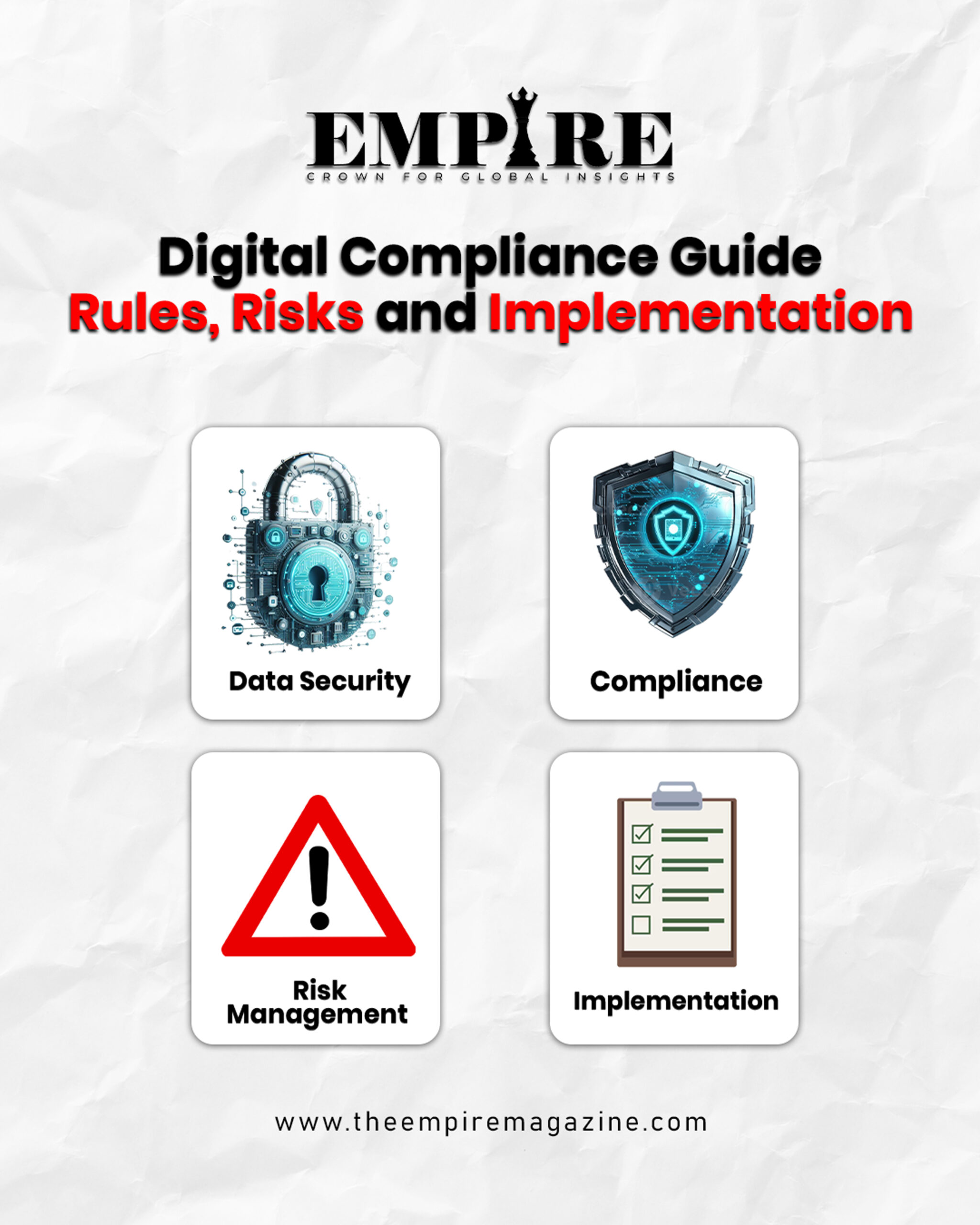
Digital Compliance Guide has become essential for modern businesses navigating a world driven by technology, data, and digital interactions. As companies increasingly rely on digital platforms, managing data responsibly and complying with legal regulations is no longer optional—it is a critical part of business success.
Digital transformation has brought efficiency and innovation, but it has also introduced new risks. From data breaches to regulatory penalties, organizations must now ensure that their digital operations are secure, ethical, and compliant with evolving laws. Pasted text (2)
What Is Digital Compliance?
Digital compliance refers to the set of rules, policies, and practices that ensure a company’s digital activities meet legal, regulatory, and ethical standards. It covers areas such as:
- Data protection and privacy
- Cybersecurity
- Information management
- Corporate governance
- Ethical use of digital systems
In simple terms, digital compliance ensures that organizations handle data responsibly while protecting users and maintaining trust.
As digital ecosystems grow, compliance is no longer a one-time process. It requires continuous monitoring, updates, and improvements to stay aligned with changing laws and technologies.
Why Digital Compliance Matters
The importance of a strong Digital Compliance Guide lies in its ability to protect businesses from serious risks while improving overall operations.
1. Legal and Financial Protection
Failure to comply with regulations can lead to heavy fines, legal actions, and financial losses. Many data protection laws impose strict penalties for violations, making compliance essential for risk management. Pasted text (2)
2. Building Trust and Reputation
Customers expect companies to handle their data securely and transparently. A single data breach can damage trust and harm a brand’s reputation for years.
3. Operational Stability
Strong compliance systems help organizations maintain business continuity by reducing the risk of cyberattacks and system failures.
4. Competitive Advantage
Companies that demonstrate compliance can attract more customers and partners, as they are seen as reliable and secure.
The Role of Information Security
Information security is a core element of digital compliance. With cyber threats becoming more sophisticated, protecting sensitive data is a top priority.
Organizations must implement measures to prevent:
- Unauthorized access to systems
- Data leaks and breaches
- Identity theft and fraud
Advanced tools such as encryption, firewalls, and monitoring systems help safeguard digital assets. At the same time, companies must regularly update their security protocols to address new threats.
Data Privacy and Regulatory Requirements
Data privacy has become one of the most critical aspects of digital compliance. As businesses collect and process large volumes of personal data, they must ensure transparency and accountability.
Effective privacy practices include:
- Clear data usage policies
- User consent mechanisms
- Access and correction rights for individuals
- Secure storage and processing systems
Regulations around the world are becoming stricter, requiring organizations to adopt comprehensive data protection strategies. Pasted text
Corporate Governance in Digital Compliance
Corporate governance ensures that compliance is embedded within the organization’s structure and culture. It involves:
- Defining clear roles and responsibilities
- Monitoring digital activities
- Implementing accountability frameworks
Strong governance helps organizations maintain ethical standards and ensures that compliance is not limited to a single department but is integrated across all operations.
Emerging Trends in Digital Compliance
The Digital Compliance Guide is constantly evolving due to technological advancements. Some key trends include:
Artificial Intelligence (AI)
AI is being used to detect risks, monitor compliance, and analyze large datasets quickly. It allows companies to identify potential issues before they become serious problems. Pasted text
Blockchain Technology
Blockchain provides secure and transparent record-keeping, creating tamper-proof audit trails that enhance trust and accountability.
Cloud-Based Compliance Systems
Cloud platforms help organizations manage compliance across multiple regions, improving scalability and efficiency.
These technologies are transforming how companies approach compliance, making it more proactive and data-driven.
How to Implement Digital Compliance in Your Company
Implementing a successful Digital Compliance Guide requires a structured approach. Here are key steps:
1. Assess Risks
Identify vulnerabilities in your systems and processes. Understand where sensitive data is stored and how it is used.
2. Develop Policies
Create clear guidelines for data protection, cybersecurity, and digital ethics. Ensure these policies are accessible and understandable.
3. Train Employees
Employees play a critical role in compliance. Regular training helps them understand risks and follow best practices.
4. Monitor and Audit
Conduct regular audits to ensure compliance measures are effective. Continuous monitoring helps detect issues early.
5. Use Technology
Leverage automation tools, AI systems, and cybersecurity platforms to improve efficiency and accuracy in compliance processes.
6. Manage Third-Party Risks
Ensure that partners and suppliers also meet compliance standards, as their actions can impact your organization.
Challenges in Digital Compliance
Despite its importance, digital compliance comes with challenges:
- Complex and changing regulations across regions
- High implementation costs
- Limited resources in smaller organizations
- Risks from external partners
- Lack of employee awareness
Addressing these challenges requires a long-term commitment and continuous improvement.
The Future of Digital Compliance
As digital transformation continues, compliance will become even more important. Companies will need to adapt to new regulations, technologies, and risks.
The future of digital compliance will focus on:
- Proactive risk management
- Integration of compliance into business strategy
- Greater use of advanced technologies
- Stronger global regulatory frameworks
Organizations that invest in compliance today will be better prepared for future challenges and opportunities.
To explore more insights on digital transformation and business strategies, visit:
👉 https://theempiremagazine.com/?p=5701
Stay connected for more insights:
📸 Instagram: https://www.instagram.com/the_empire_magazine/
📘 Facebook: https://www.facebook.com/profile.php?id=61573749076160
– The Empire Magazine
Crown For Global Insights